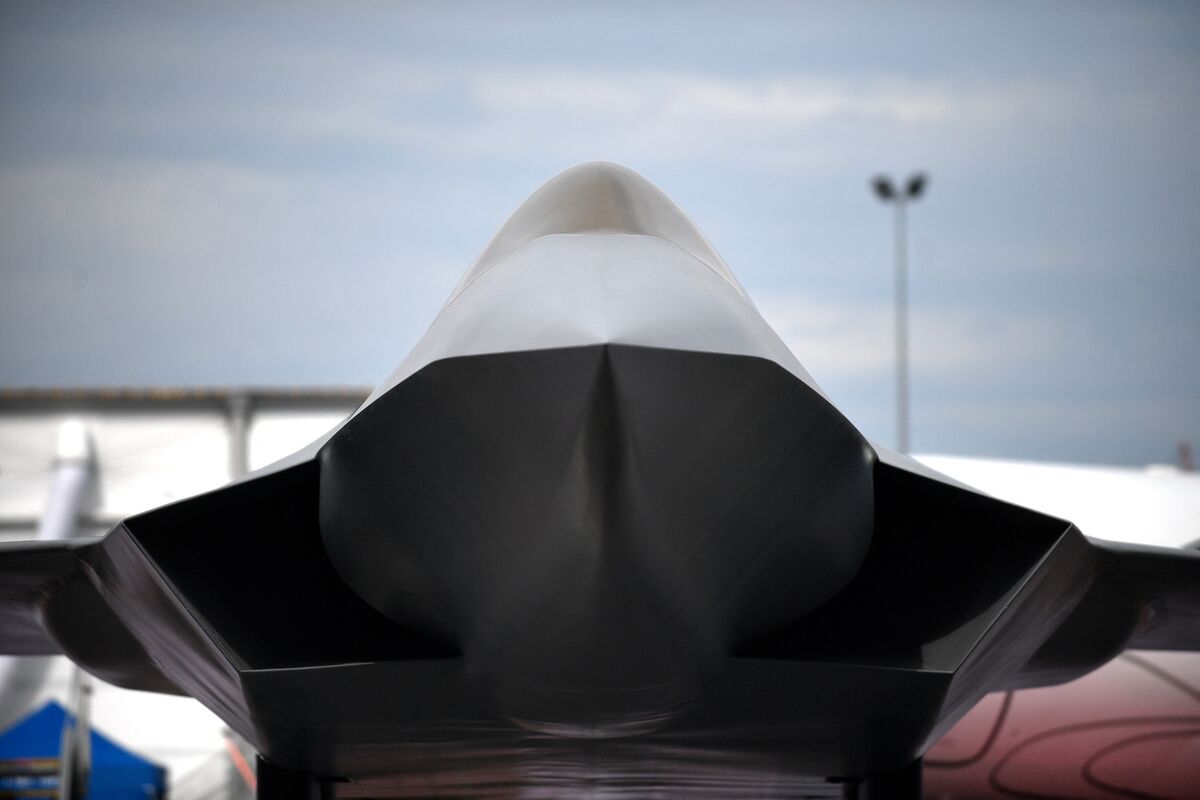
Germany and France have postponed a definitive decision on the Future Combat Air System (FCAS) fighter jet program until the final quarter of the year, as confirmed by German Chancellor Friedrich Merz. This delay prolongs the uncertainty surrounding one of Europe's most ambitious yet troubled defense projects, potentially impacting its timeline and cost structure for involved defense contractors and national budgets.
Germany and France have officially postponed a key decision on the Future Combat Air System (FCAS) until the final quarter of the year, a move confirmed by German Chancellor Friedrich Merz. This delay extends the period of ambiguity for what is described as one of Europe's most ambitious, yet already "troubled," defense projects. The deferral, following discussions between the German and French leaders, signals persistent challenges in aligning on the program's progression, leaving the multi-billion euro initiative "mired in uncertainty." The lack of a near-term resolution underscores the political and industrial complexities inherent in major multinational collaborations and casts a shadow over the project's timeline and strategic momentum within the European defense landscape.
AI-powered research, real-time alerts, and portfolio analytics for institutional investors.
Request DemoOverall Sentiment
moderately negative
Sentiment Score
-0.50
