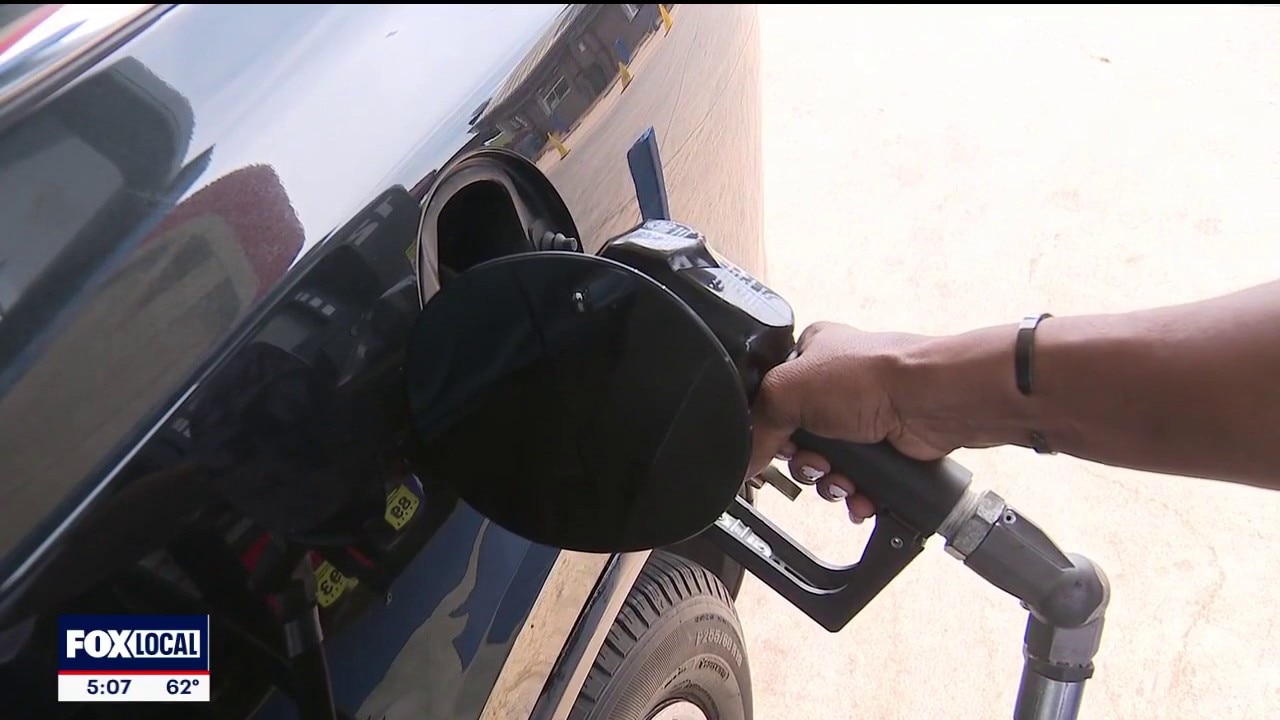
Texas Senate candidate James Talarico is pressing Sen. John Cornyn to back a federal gas tax suspension, citing elevated pump prices above $4 per gallon in parts of Texas and Trump’s reported support for the idea. Cornyn opposes the measure, arguing it would worsen the federal deficit and reduce infrastructure funding. The proposal would require congressional approval and remains politically significant but is unlikely to have immediate market impact.
This is less an energy-market trade than a distributional one: a temporary gas-tax holiday would be marginally bullish for downstream volume, but the bigger effect is political signal extraction. If the idea gains bipartisan oxygen, refiners and fuel retailers could see a short-lived demand pop as consumers front-load discretionary driving, yet the economic impulse is likely too small to materially change broader gasoline elasticity unless prices stay elevated for several months. The real market relevance is that affordability rhetoric is becoming a bipartisan wedge issue, which increases the odds of ad hoc fiscal responses whenever fuel prices spike.
Second-order, the proposal is mildly negative for the federal infrastructure funding complex and any state/local budget lines that rely on pass-through transportation spending, but the market impact is diffuse and slow. More important is the precedent risk: if Congress even debates a holiday, it raises optionality around future excise-tax suspensions or rebates whenever headline energy prices create voter pain. That could cap medium-term inflation pass-through at the margin, but it also creates policy uncertainty for fuel distributors and road/transport-related contractors.
The consensus likely overstates the immediate consumer benefit and understates the political tail risk. A gas-tax suspension is a rounding error versus crude-driven pump price volatility; if oil falls $10-15/bbl, the policy becomes irrelevant, while if oil rises, lawmakers may reach for more aggressive interventions such as SPR releases or tariff/waiver changes. That makes this a low-conviction directional on energy and a higher-conviction indicator that cost-of-living politics will stay front-and-center into the Texas race and potentially the national campaign narrative.
AI-powered research, real-time alerts, and portfolio analytics for institutional investors.
Request DemoOverall Sentiment
neutral
Sentiment Score
0.05
