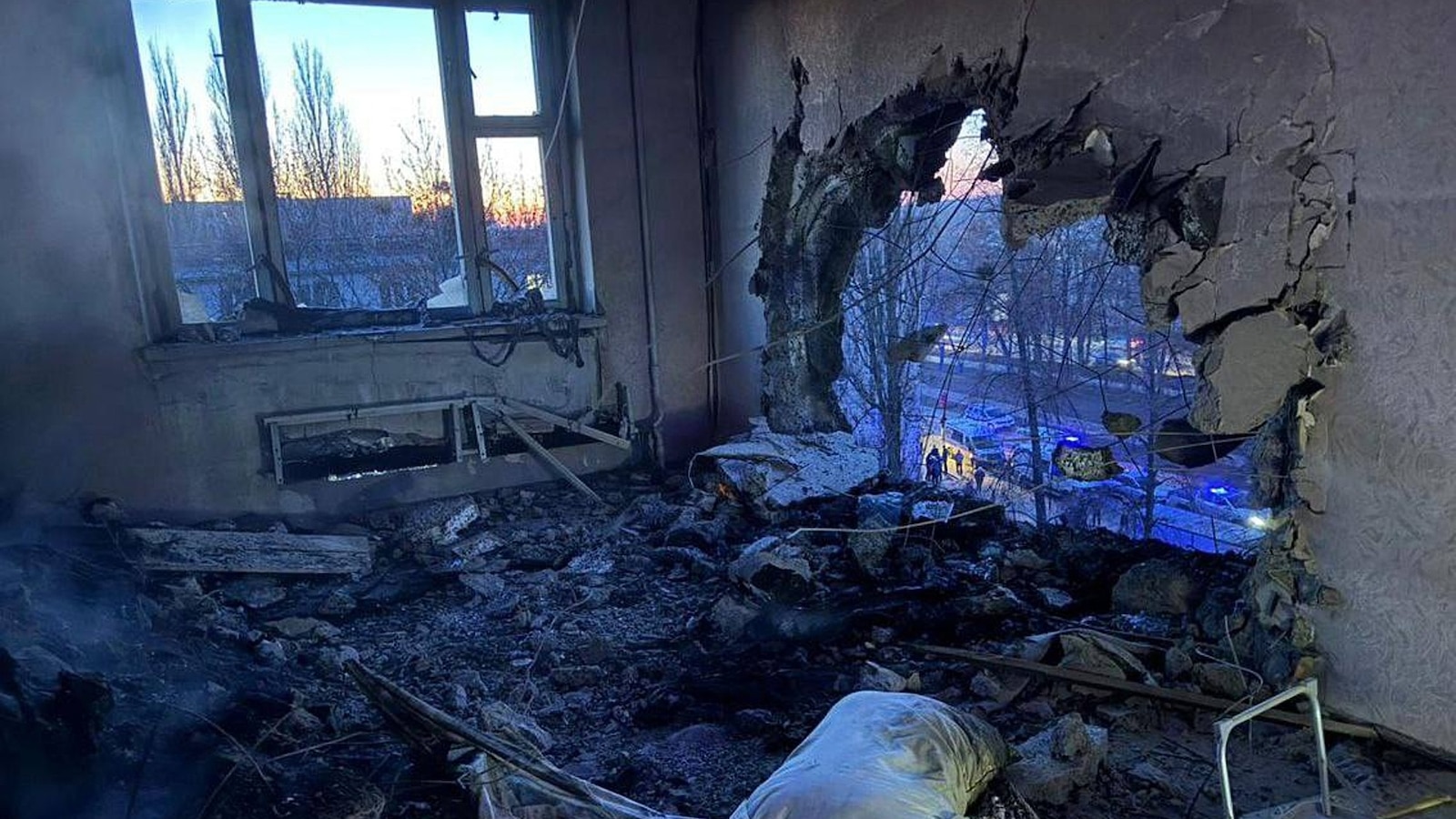
Overnight Russia launched 131 drones into Ukraine, Kyiv's air force said, shooting down or suppressing 106 with 22 impacting targets across 15 locations; Russia's Defense Ministry counterclaimed it shot down at least 141 drones. Attacks killed and injured civilians in Odesa, Kharkiv and Chernihiv, damaged industrial facilities, caused power outages across multiple regions and triggered temporary flight restrictions at Russian airports; a port tank fire was reported in Temryuk. The strikes escalate cross-border drone exchanges and pose near-term risks to Ukrainian logistics, energy infrastructure and regional transport links, with potential knock-on effects for energy flows, insurance and defense-sector exposures.
Market structure: Immediate winners are large Western defense primes (Lockheed LMT, Raytheon RTX, Northrop NOC), air-defense/ISR suppliers, and specialist insurers/reinsurers who can reprice war risk; losers include Ukrainian exporters, Black Sea logistics, regional ports and European/Ukraine airlines with runway exposure. Expect freight-rate dislocations (Black Sea rerouting raising short-term freight by +10-30%) and insurance premiums to rise, compressing margins for shippers and commodity traders over weeks to months.
Risk assessment: Tail risks include escalation into strikes on major Russian or NATO energy assets causing oil/gas shocks (>$15/barrel Brent move in 1-4 weeks) or punitive sanctions disrupting SWIFT settlement corridors. Immediate (days) impact is outages and rerouted logistics; short-term (1–6 months) is higher defense order flow and energy price volatility; long-term (1–3 years) is accelerated capex into grid resilience and supply-chain relocation. Hidden dependencies: reinsurance capacity, port-insurance clauses (war vs. political risk), and FX liquidity in RUB/EUR corridors.
Trade implications: Direct plays favor 3–12 month longs in LMT/RTX/NOC (backlog + pricing power) and commodity exposure to Brent/TTF with tight risk controls; shorts target European airlines (IAG, LHA) and selected shipping names with >10% revenue exposure to Black Sea routes. Options: use call spreads on defense names to cap cost and buy short-dated protection on airlines (10–15% OTM puts, 1–3 month expiries).
Contrarian angles: Consensus may overprice perpetual escalation—historical episodes show spikes revert once alternative routes/insurers scale (3–6 months). Look for mean-reversion in TTF/Brent after winter demand peaks (>30% spike triggers short). Also consider non-defense beneficiaries (construction/engineering: FLR, JEC) involved in reconstruction and port rebuilds that are underfollowed today.
AI-powered research, real-time alerts, and portfolio analytics for institutional investors.
Request DemoOverall Sentiment
strongly negative
Sentiment Score
-0.60
