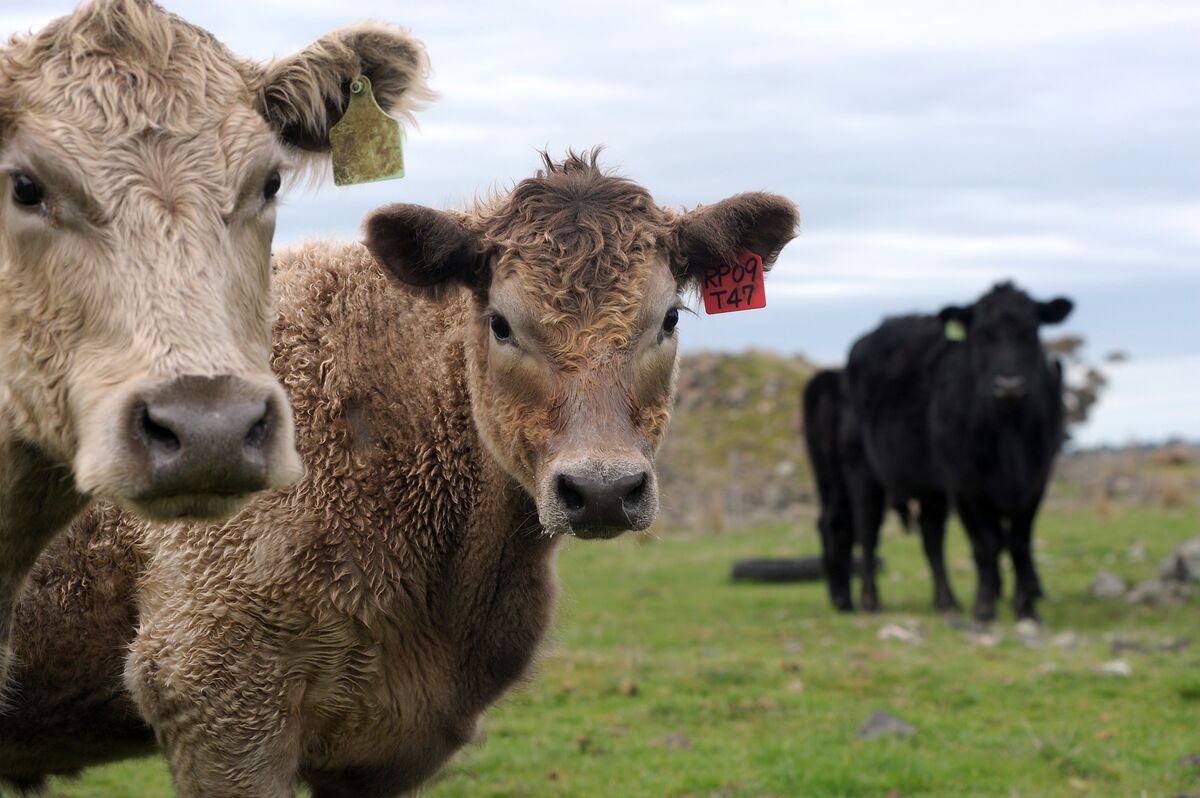
Record meat prices are intensifying food inflation concerns, driven by a persistent global beef shortfall. While Australia, the world's second-largest beef exporter, is experiencing a significant cattle herd boom, this increased supply remains insufficient to offset robust global demand, leading to elevated consumer costs and ongoing inflationary pressures in the protein sector.
A significant structural imbalance in the global beef market is creating persistent inflationary pressure on food prices. Despite a substantial increase in Australia's cattle herd, which has seen some ranchers nearly triple their stock in five years, this supply growth from the world's second-largest beef exporter is proving insufficient to meet strong global demand. This supply-demand mismatch is directly translating into record-high meat prices and elevated consumer costs for products like beef burgers. The situation underscores a key vulnerability in the global food supply chain, where a regional production boom is being outpaced by a global shortfall, suggesting that price relief in the protein sector is unlikely in the near term.
AI-powered research, real-time alerts, and portfolio analytics for institutional investors.
Request DemoOverall Sentiment
moderately negative
Sentiment Score
-0.50
