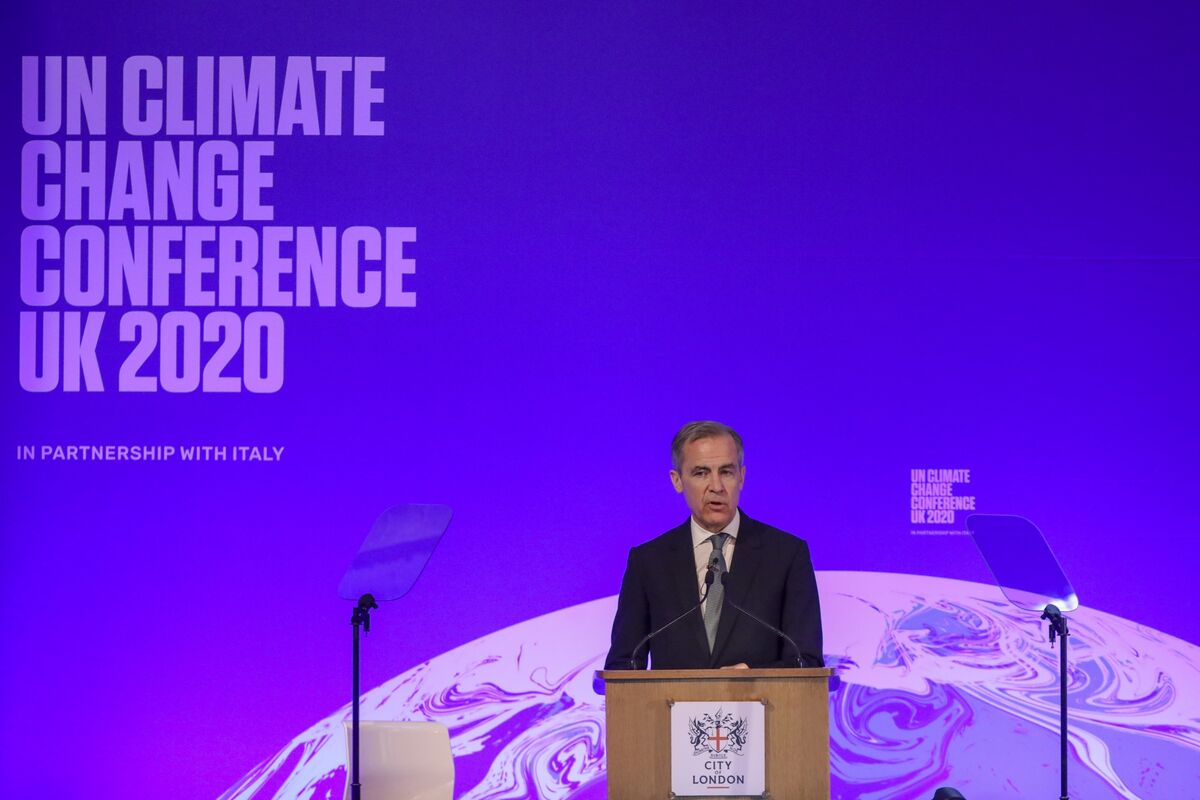
A 2015 warning from then-Bank of England Governor Mark Carney regarding climate-related financial risks is gaining renewed attention amid ongoing disagreements among global regulators on how to address the issue. The newsletter highlights the increasing relevance of Carney's concerns about the potential for climate change to destabilize financial markets, as regulatory consensus remains elusive.
Former Bank of England Governor Mark Carney's 2015 warning regarding the systemic financial risks posed by climate change is gaining renewed prominence, largely due to persistent disagreements among global regulators on how to effectively address these threats. This ongoing lack of consensus on climate-related financial regulation, as highlighted in recent discourse, underscores the prophetic nature of Carney's concerns about climate change's potential to destabilize financial markets. The situation is characterized by a moderately negative sentiment and a pessimistic tone, with a market impact score of 0.6 indicating a tangible concern for market stability. The regulatory disunity creates uncertainty, potentially hindering the development of consistent green and sustainable finance frameworks and complicating the integration of ESG factors into investment decisions, thereby increasing systemic risk exposure across asset classes.
AI-powered research, real-time alerts, and portfolio analytics for institutional investors.
Request DemoOverall Sentiment
moderately negative
Sentiment Score
-0.50
