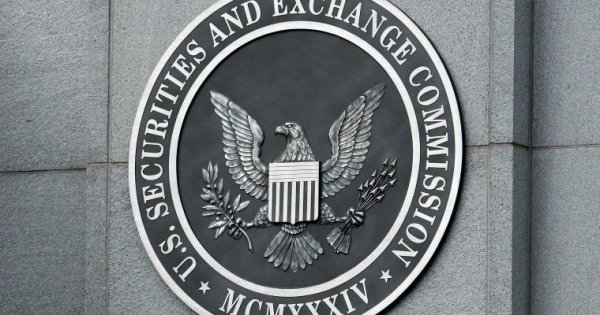
The SEC appointed David Woodcock as enforcement director to lead the roughly 1,000-person division effective May 4. The agency reported enforcement sanctions fell to 456 cases from 583 year-over-year (down 22%) and enforcement staffing declined 18%; the SEC recently settled a Justin Sun matter for $10 million (no admission of guilt). Woodcock’s background is in traditional legal and corporate advisory roles with no confirmed direct crypto experience, leaving the future stance on crypto enforcement and potential shifts in enforcement priorities uncertain.
A tilt back toward conventional regulatory priorities should materially lower the marginal cost of operating novel-asset businesses over the next 6–18 months: probability-weighted legal exposure for crypto-native firms falls (not eliminated), which compresses implied tail risk and should lift riskier cash-flow multiple bands across the sector. Expect the biggest beneficiaries to be exchange and custody platforms that are cash-flow positive but carry valuation haircuts for regulatory overhang — liquidity-driven rerating is the near-term mechanism.
For large corporates with material regulatory footprints, a cleaner enforcement signal reduces contingent-litigation premia embedded in capital-allocation and M&A models. Even a modest 20–50bp reduction in corporate discount rates applied to long-cycle projects or litigation reserves can move present-value metrics enough to justify incremental buybacks or higher dividend guidance within 12 months; sectors with heavy compliance spend will show this fastest.
Key tail risks are political (rapid re-politicization of enforcement) and judicial (adverse precedent on asset classification) — either can restore high-probability litigation outcomes within 60–360 days and reverse sentiment quickly. Staffing and resourcing dynamics are a slow-moving offset: if budgets and headcount rebound, the enforcement pipeline can rebuild over multiple quarters, so monitor hiring and budget signals closely.
Contrarian angle: consensus will likely overweight purely headline-driven large caps while under-allocating smaller, profitable crypto infrastructure providers that carry the most optionality from improved regulatory clarity. Tactical reallocation toward cash-flow-positive, low-capital-intensity crypto service providers offers asymmetric upside versus simply buying broad crypto indices, which already price in easing expectations.
AI-powered research, real-time alerts, and portfolio analytics for institutional investors.
Request DemoOverall Sentiment
neutral
Sentiment Score
0.00
Ticker Sentiment
