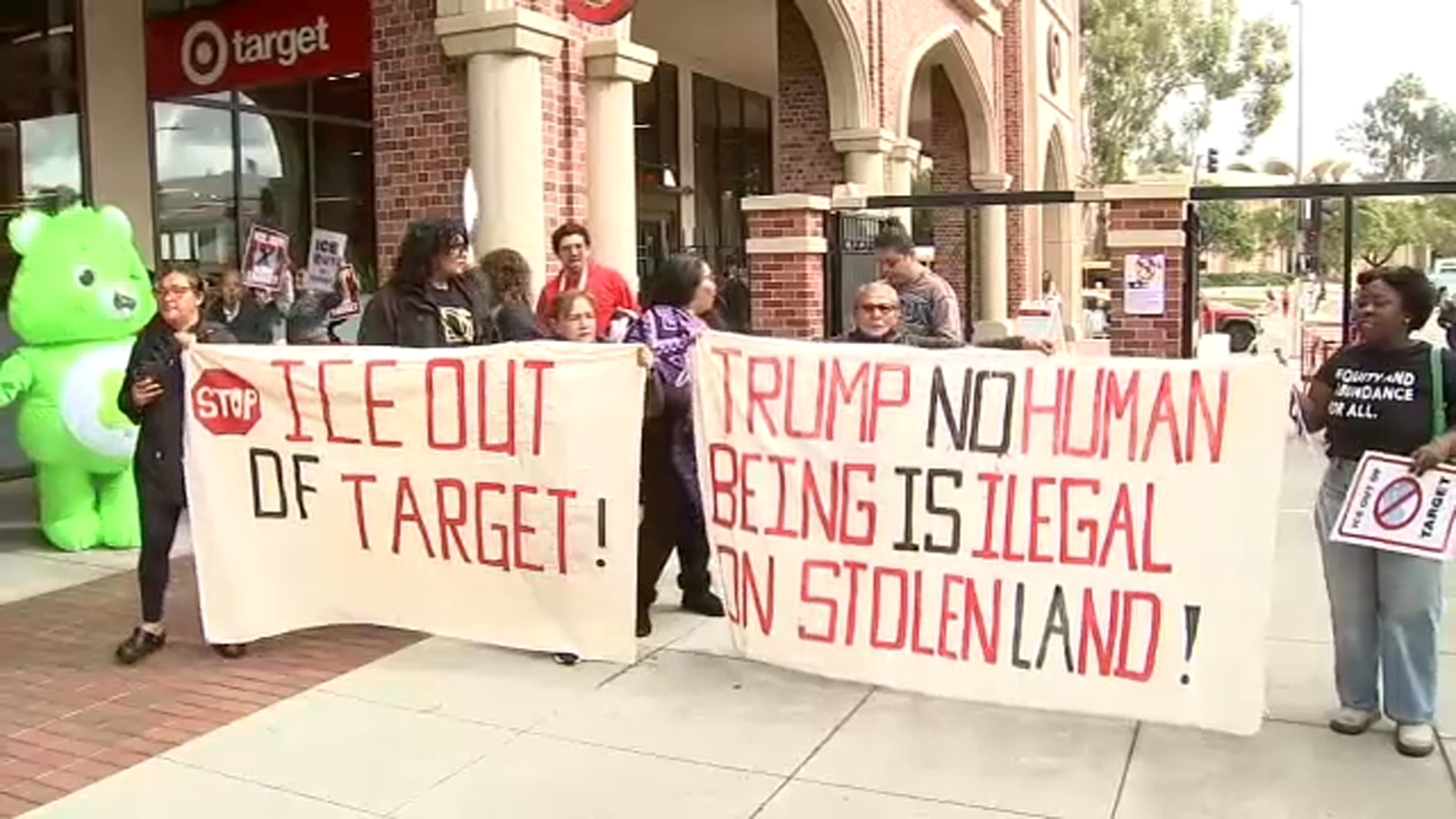
A small group of protesters entered a Target at USC Village and a separate Hollywood location, chanting against ICE and urging Target to oppose immigration enforcement actions in Minnesota; they remained inside for about 20 minutes without blocking entrances or disrupting operations. Target confirmed it has no cooperative agreements with ICE; the demonstrations ended peacefully with no reported impact to store operations. The incident represents localized reputational activism rather than an operational or financial threat, though continued or escalated protests could warrant monitoring for brand and consumer sentiment implications.
Market structure: This localized protest is a reputational/ESG event for Target (TGT) with near-zero immediate supply‑chain or pricing effects; winners are politically neutral or discount grocers (WMT, AMZN) if foot traffic shifts, losers are TGT on headline risk and any mall-adjacent smaller retailers near campuses. Expect market-share impact to be minimal (<0.1–0.5ppt nationally) unless protests scale beyond a handful of sites over 30 days, in which case discretionary sales in affected zip codes could see 2–5% volatility week‑to‑week.
Risk assessment: Tail risks include a coordinated national boycott or sustained employee action that could knock TGT comps down >1–3% over a quarter and widen gross-margin guidance by 20–50 bps; regulatory/legal risk is low given the company statement but political escalation (state-level ordinances) is a 5–10% probability over 12 months. Time horizons: immediate (days) = headline-driven IV spikes; short (weeks/months) = reputational flow into/out of TGT stock; long (quarters/years) = brand/ESG positioning and potential policy changes if activism persists.
Trade implications: Tactical hedges (short 30–45 day puts or buy protective puts) are cheaper if IV jumps 10–25% on viral amplification; a relative-value pair (long WMT/short TGT) for 1–3 months captures rotation to perceived safer staples. Cross-asset: negligible bond/FX impact unless controversy scales nationally; options IV may rise 10–30% intraday around escalations, creating tradeable spreads.
Contrarian angles: The market likely underprices the upside from any transient selloff—historical parallels (Starbucks 2018) show limited long-term hit and fast mean reversion within 30–90 days. The consensus misses second-order effects: corporate silence can lengthen activism and escalate costs; conversely, a measured public stance by TGT could compress downside and create a buying opportunity if shares drop >5% intraday.
AI-powered research, real-time alerts, and portfolio analytics for institutional investors.
Request DemoOverall Sentiment
neutral
Sentiment Score
0.00
Ticker Sentiment
