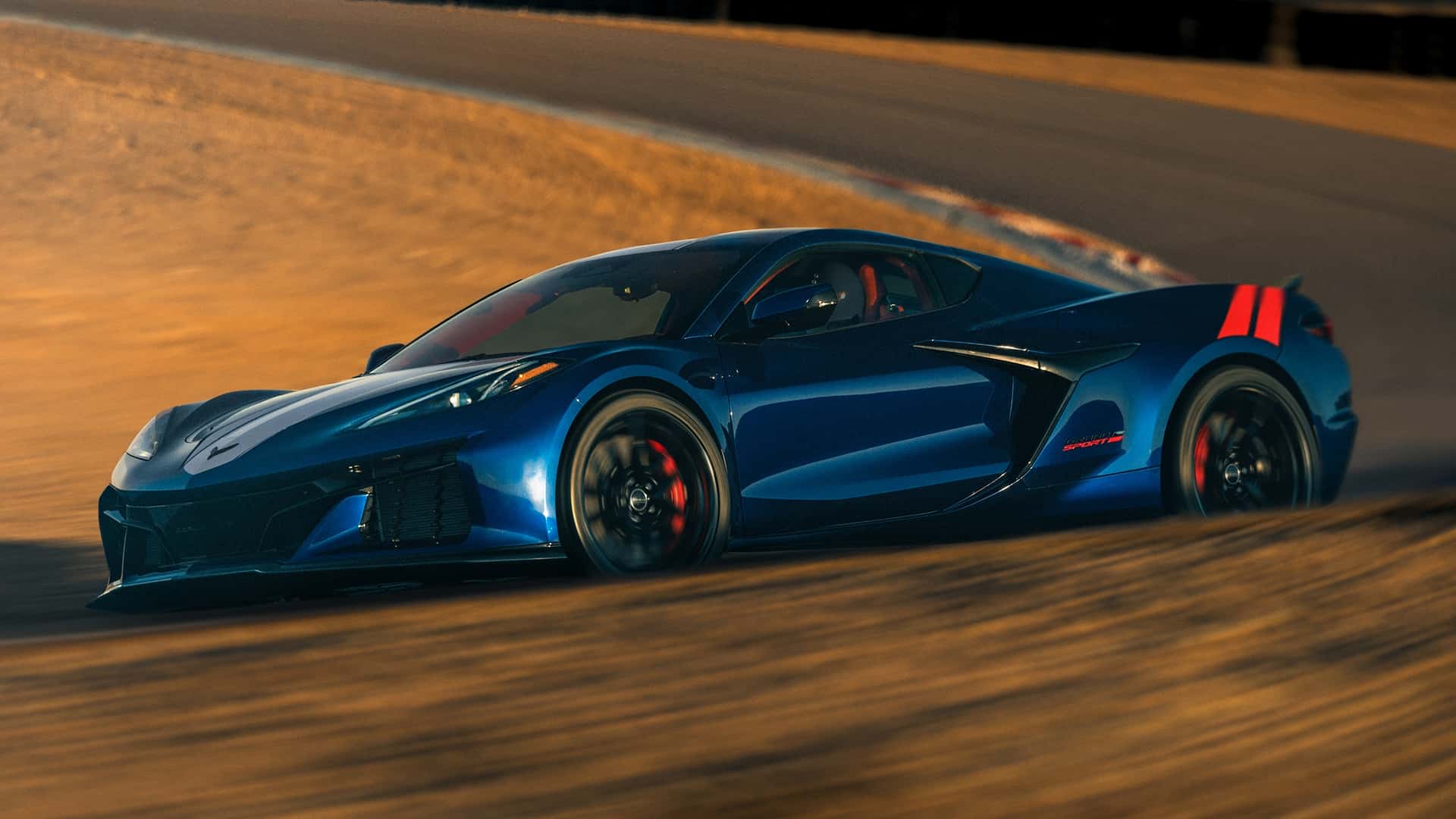
Chevrolet unveiled the 2027 Corvette Grand Sport with a new naturally aspirated 6.7L LS6 V8 producing 535 hp and 520 lb-ft, mated to an eight-speed dual-clutch; the Grand Sport X hybrid pairs the LS6 with a 186-hp front motor for a combined 721 hp (≈+51 hp vs the Z06's 670 hp, +66 hp vs the outgoing E-Ray). The Grand Sport offers Magnetic Ride Control and optional Z52/Z52 Track packages (up to carbon-ceramic brakes and Cup 2R tires), should reach dealers this summer, and pricing is unknown but estimated around ~$90k, positioned between the Stingray (~$70k) and the $121k Z06.
This product cycle is classic halo economics: a differentiated, high-content performance variant will do more than sell a few thousand units — it drives elevated dealer traffic, higher option/aftermarket attach, and improves used-vehicle desirability across the C8 family. Expect modest per-unit gross margin uplift from premium brakes, carbon aero, and bespoke interior trim; those high-margin SKUs flow to suppliers and captive finance, enhancing backend profitability quicker than volume segments.
Supply-chain impacts are second-order but actionable. Demand for carbon-ceramic brakes, high-performance driveline hardware and OEM-spec performance tires will shift incremental revenue toward specialized tier-1s that can meet low-volume, high-ASP runs; that benefits powertrain and electrification suppliers with flexible manufacturing (BorgWarner/Dana-like profiles) while leaving broad-based tire players exposed to OEM exclusivity. Also, reuse of high-voltage modules across halo hybrids accelerates amortization of battery/motor programs, improving supplier unit economics over the next 12–24 months.
Key near-term catalysts and risks cluster around dealer-level pricing and option uptake this summer and used-residual signaling in the subsequent 6–12 months. Positive catalyst path: stronger-than-expected option attach / Launch Edition sell-through that validates a $3k–$8k incremental gross margin on halo cars and lifts consensus EPS by 1–2% next year. Downside risks include a macro pullback that compresses luxury discretionary spending, materials cost inflation for carbon components, or OEM exclusivity disputes that delay supply — any of which could erode the anticipated margin capture within 3–9 months. Contrarian: the market underestimates the near-term cash flow benefit of continued ICE/hybrid halos, which act as a durable, high-ASP cash generator while EV mix ramps over years rather than quarters.
AI-powered research, real-time alerts, and portfolio analytics for institutional investors.
Request DemoOverall Sentiment
mildly positive
Sentiment Score
0.25
Ticker Sentiment
