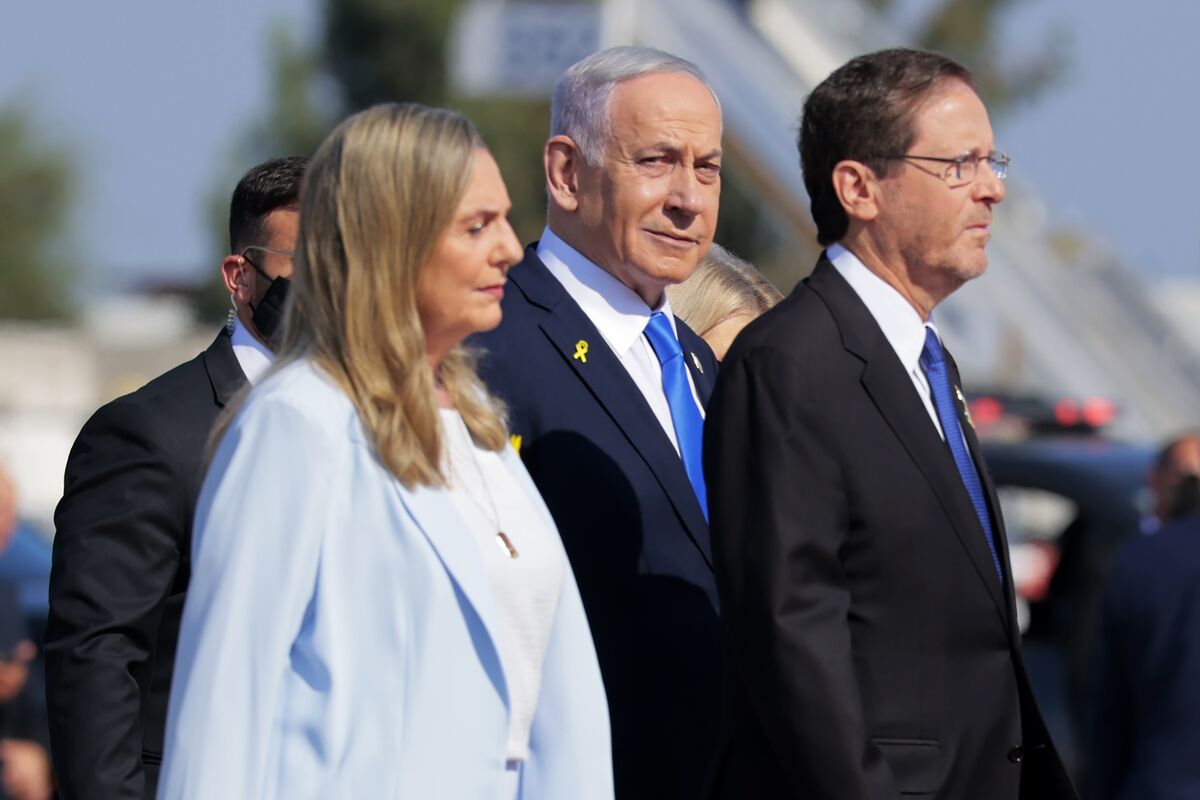
Israeli Prime Minister Benjamin Netanyahu declined an invitation from US President Donald Trump to attend a Gaza ceasefire ceremony in Egypt, citing time constraints. This decision, contrary to earlier reports from the Egyptian presidency, highlights the complex diplomatic landscape surrounding regional peace efforts and could be noted for its geopolitical implications.
Israeli Prime Minister Benjamin Netanyahu declined a US President Trump-brokered invitation to a Gaza ceasefire ceremony in Egypt, citing time constraints ahead of a public holiday. This decision contradicts earlier reports from the Egyptian presidency, which had indicated his attendance, highlighting the complex and often unpredictable nature of regional diplomacy. Netanyahu's office issued a statement thanking President Trump for his efforts to expand the 'circle of peace.'
This diplomatic setback underscores the persistent challenges in achieving stable peace in the Middle East, a region frequently subject to geopolitical volatility. The event, while significant from a political standpoint, reflects ongoing complexities rather than a sudden shift in the regional power balance.
Despite the geopolitical implications, automated sentiment and market impact analysis indicate a neutral immediate financial market impact for this specific news item. No specific tickers or financial instruments are directly referenced or demonstrably affected, suggesting that this particular diplomatic development is not currently translating into market-moving sentiment or direct economic consequences.
AI-powered research, real-time alerts, and portfolio analytics for institutional investors.
Request DemoOverall Sentiment
neutral
Sentiment Score
0.00
