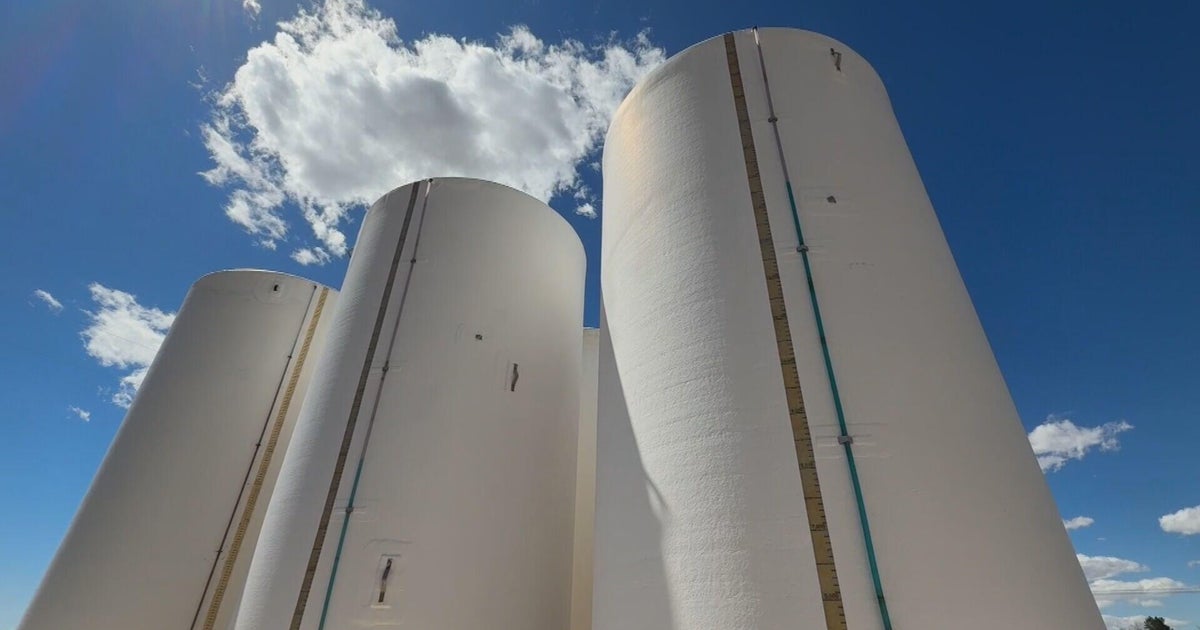
Iran war-related disruptions through the strait have reduced urea shipments from the Middle East, driving up nitrogen fertilizer prices and forcing U.S. import competition. A Colorado co-op is incrementally raising fertilizer prices and shifting to UAN, which is also climbing, increasing input costs for farmers already facing a dry winter and higher fuel costs. The combined supply and weather pressures point to a tighter season and heavier cost burden for regional agriculture.
Winners will be firms that can convert high spot nitrogen prices into cash quickly: domestic ammonia/urea producers with low fixed costs and distributors with on‑site inventory (they can re-price into a rising curve). Losers are the marginal, input‑sensitive farmers and equipment OEMs whose replacement cycles are easiest to defer; that creates a two‑quarter liquidity squeeze in rural banking and short‑cycle capex.
The shock creates a tight timing mismatch: fertilizer inventory bought earlier cushions supply for 1–3 months, but restocking decisions cluster in the 3–6 month planting window — that frontloads margin volatility for suppliers and sets up crop price moves later in the season. Key catalysts to watch are natural gas prices (domestic production can restore margins in 3–9 months), insurance/premia on maritime routes (days–weeks), and spring acreage reports (May–June) which will tell whether demand is structurally reduced.
Tactically, owning producers or distributors is a play on sustained high nitrogen vs owning crop names which are levered to eventual yield/outcome; conversely, a significant domestic production response or rapid demand destruction (deferred application, precision substitution) would invert the trade. Monitor freight spreads and inland barge/rail tariffs as high‑frequency indicators of restocking intensity — they lead price moves in agricultural commodities by ~4–6 weeks.
Contrarian risk: the market may be overstating permanent demand destruction. Farmers historically shift application timing and intensity before cutting acreage; if that happens, fertilizer prices could mean‑revert within 2–4 months, leaving long‑only producers exposed to margin compression rather than sustained earnings upgrades.
AI-powered research, real-time alerts, and portfolio analytics for institutional investors.
Request DemoOverall Sentiment
moderately negative
Sentiment Score
-0.45
