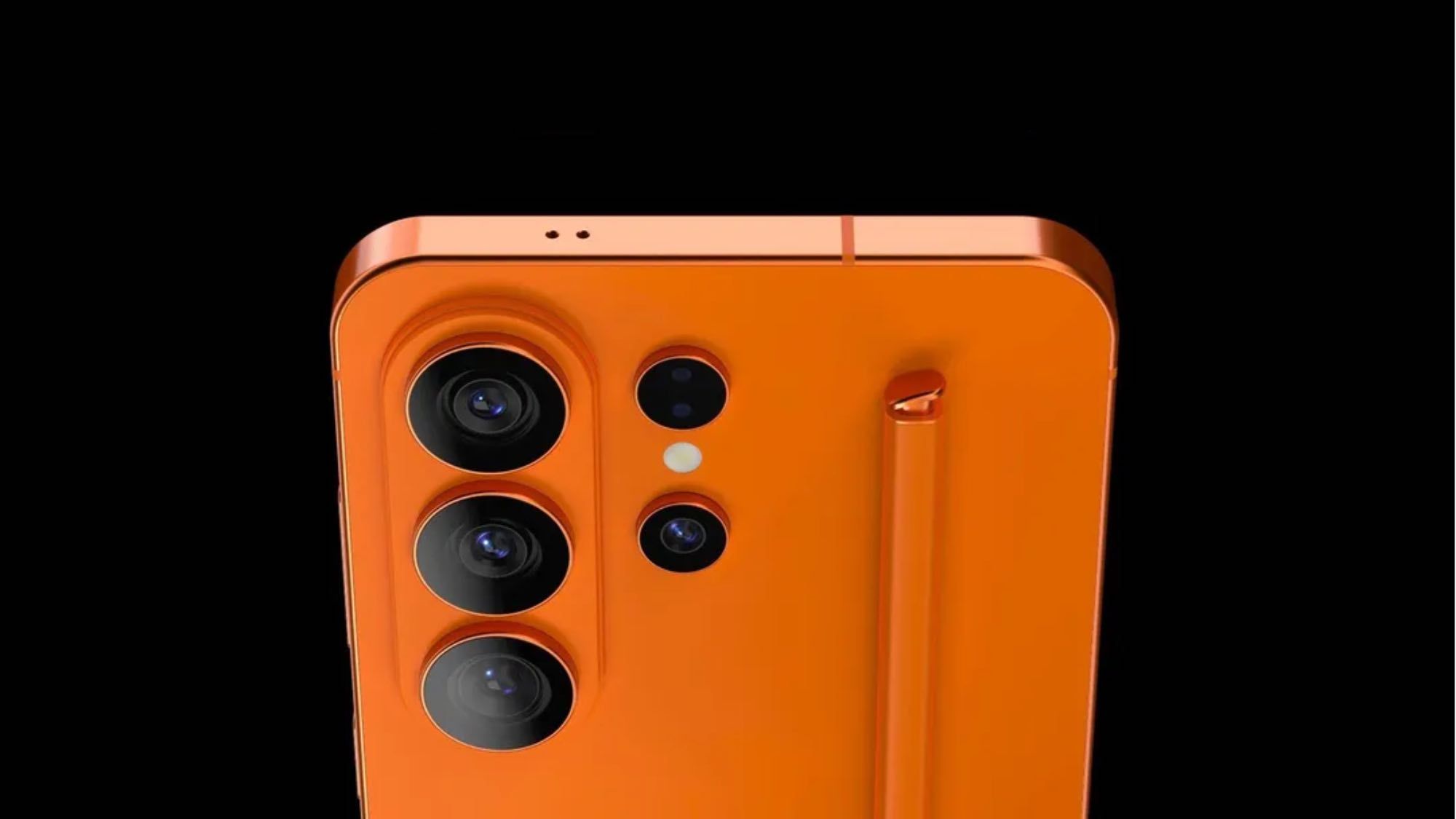
Leaked specification sheets for the Samsung Galaxy S26 series (vanilla, Plus and Ultra) indicate incremental hardware upgrades versus the S25: chipset moves to Snapdragon 8 Elite Gen 5 / Exynos 2600, the S26 increases some battery capacities (e.g., S26 4,300mAh vs 4,000mAh), the Ultra gains faster 60W charging (from 45W) and a revised 3x telephoto sensor sizing, while storage tiers drop the 128GB option and weight/thickness are slightly reduced. The leaks and a reported One UI 8.5 test entry suggest a likely January launch window; changes are evolutionary rather than disruptive, implying modest upside to Samsung’s near-term device competitiveness but limited immediate market-moving impact.
Market structure: Samsung’s incremental S26 spec bump (chipset, bumped base storage, faster Ultra charging/sensor) benefits semiconductor and sensor suppliers (Qualcomm QCOM, Sony SONY, SK Hynix 000660.KS/MU), and modestly raises ASPs by removing 128GB SKU — a potential +1–3% revenue lift per unit if pricing holds. Apple (AAPL) and mid-tier Android OEMs face limited downside short-term because upgrades are evolutionary, not disruptive; foldable/Trifold roadmap remains the true long-term competitive battleground. FX and fixed income: stronger Korean tech export cadence could support KRW and pressure short-term US T-bill safe-haven flows around launches (weeks), but impact is modest (market impact score ~0.15).
Risk assessment: Tail risks include supply-chain hiccups (yield shortfalls at foundries), demand miss (consumer pullback into 2025) and regulatory constraints on bundled services; any of these could erase expected ASP benefits within 1–3 quarters. Immediate risk window: news/PR cycle in next 30–60 days around alleged January launch; medium-term (3–6 months) is channel inventory and pre-order traction. Hidden dependency: Samsung’s dual-sourcing (Snapdragon vs Exynos) creates margin and quality variance by region, amplifying FX and warranty tail risks.
Trade implications: Near-term (days–weeks) trade the supplier exposure rather than the parent: prefer 3–6 month directional exposure to QCOM and SONY via stock or call spreads to play chipset and sensor content growth; avoid levering Samsung parent through OTC illiquid ADRs — use KRX 005930.KS if accessible. Use pair trades (long QCOM / short AAPL) to express Snapdragon content gain without broad market beta; keep position sizes modest (1–3% NAV) and use 6–12 week duration options to capture launch-driven volatility.
Contrarian angles: Consensus treats S26 as incremental — that underprices potential margin upside from removing low-end 128GB SKU and Ultra’s 60W upgrade which raises accessory/component attach rates by an estimated +5–8% per Ultra unit. Historical parallels: prior S-series cycles with small spec gaps produced <5% share moves, but supplier revenues jumped 10–20% in quarters around launches. Unintended consequence: higher ASPs could compress volumes if macro softens; set inventory and pre-order triggers (see decisions) to avoid being early and overexposed.
AI-powered research, real-time alerts, and portfolio analytics for institutional investors.
Request DemoOverall Sentiment
mildly positive
Sentiment Score
0.22
