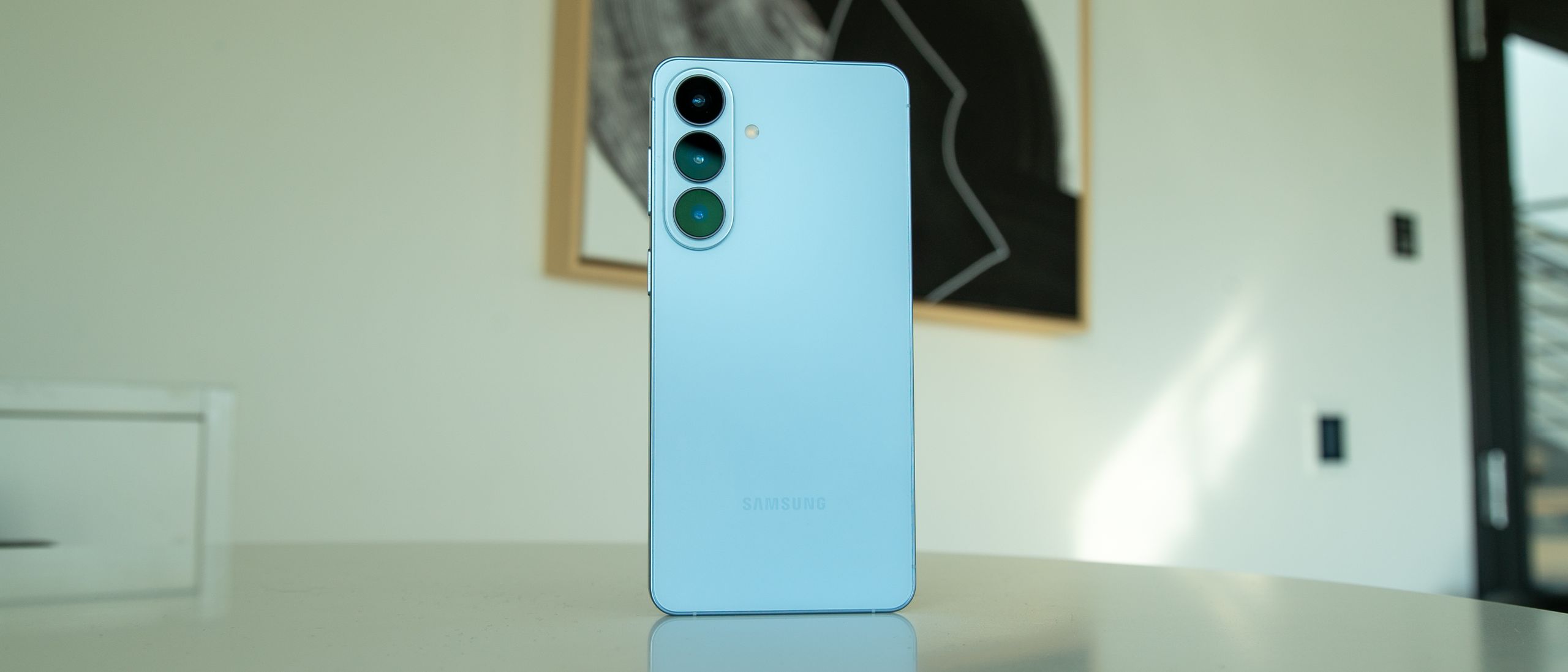
The Galaxy S26 Plus debuts at $1,099 (up $100 vs. its predecessor) with a Snapdragon 8 Elite Gen 5, 12GB RAM, a 4,900mAh battery, and expanded on-device AI features (Gemini automation, Audio Eraser). The review praises UI fluidity, performance, all-day battery life, and improved AI capabilities but criticizes unchanged camera hardware, lack of magnetic charging, and the higher price, concluding the S26 Ultra is the better buy. This is unlikely to materially move Samsung's stock; the piece mainly affects consumer perception and competitive positioning within the premium smartphone segment.
Samsung's positioning of the mid-tier S-series as a funnel to a more feature-rich Ultra creates a non-obvious demand shift: component value per unit (SoC, modem, memory) can rise even if unit volumes slip. That favors a vendor with a premium, device-specific SoC strategy because OEMs pay up for 'differentiated' silicon and associated integration work; expect pricing and margin expansion for suppliers who hold bespoke partnerships over the next 6–12 months.
The push toward on-device and assistive AI (background automations, multimodal Photo Assist) magnifies recurring revenue opportunities for cloud and search platforms — more automation = more stateful user sessions and more cloud cycles — which compounds monetization over quarters rather than single product cycles. It also increases demand for NPUs, ISP tuning and secure ML enclaves, concentrating value upstream with companies that can ship optimized silicon and SDKs to OEMs.
Near-term downside risks are concrete: negative reviews or buyer confusion about model differentiation can compress cycle demand in the next 0–3 months and delay corporate deals (restaurants, rideshares) to integrate assistant-driven ordering. Regulatory or privacy pushback on automated ordering/consumption would blunt the services uplift, reversing the positive flow-through to cloud and ad revenues within 3–12 months; monitor developer partner announcements and early adoption metrics as the primary catalysts.
AI-powered research, real-time alerts, and portfolio analytics for institutional investors.
Overall Sentiment
mildly negative
Sentiment Score
-0.20
Ticker Sentiment
