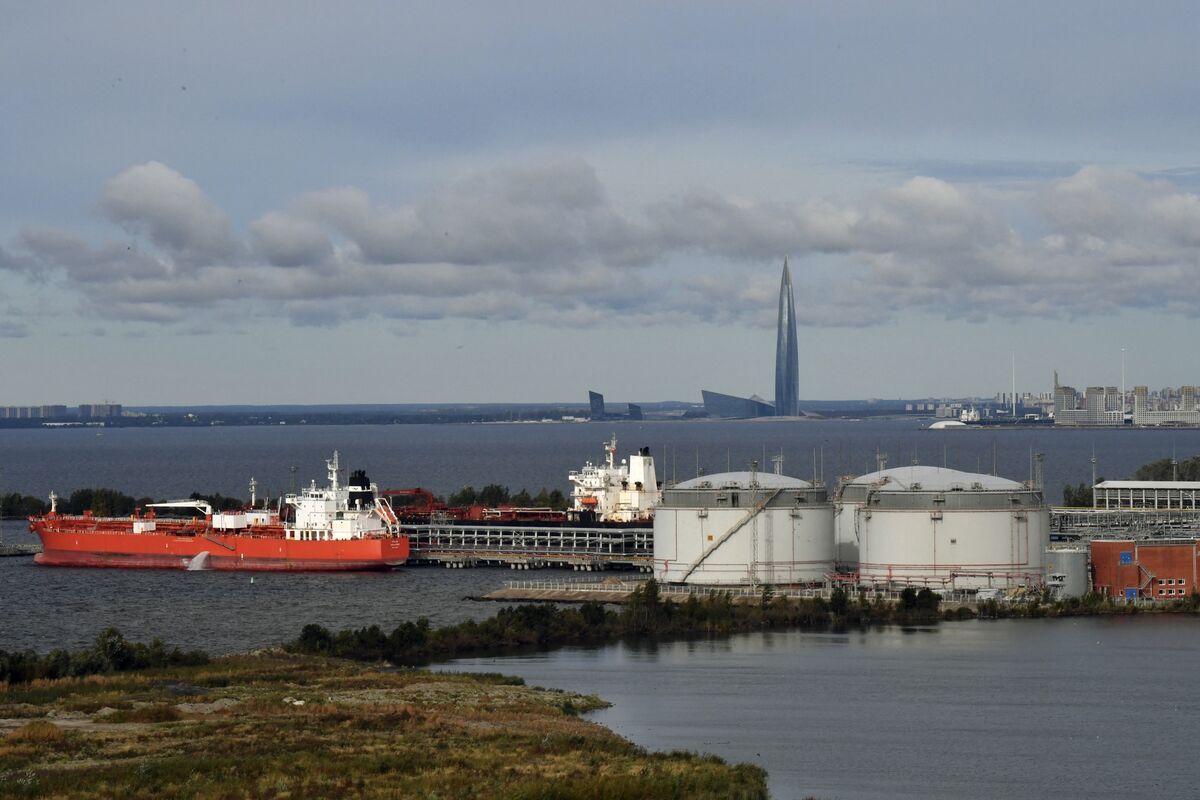
Ukrainian drone attacks on Russian oil refineries are rapidly diminishing Russia's spare export capacity, with at least 15 facilities targeted since August. JPMorgan Chase & Co. estimates these assaults have curtailed Russian refinery runs by approximately 500,000 barrels per day, pushing processing levels below 5 million bpd. This reduction in domestic processing capacity limits Russia's flexibility in diverting crude to international markets.
Ukrainian drone attacks are materially impacting Russia's oil refining capabilities, directly affecting its role in global energy markets. Since the beginning of August, at least 15 Russian refineries have been targeted, resulting in a significant operational disruption. According to estimates from JPMorgan Chase & Co., these attacks have curtailed Russian refinery runs by approximately 500,000 barrels per day, pushing total processing volumes below the 5 million barrels per day threshold. This substantial reduction in domestic refining capacity is rapidly diminishing Russia's ability to divert its crude oil to the global market, signaling a tightening of its export flexibility and creating potential bottlenecks in its supply chain.
AI-powered research, real-time alerts, and portfolio analytics for institutional investors.
Request DemoOverall Sentiment
moderately negative
Sentiment Score
-0.50
Ticker Sentiment
