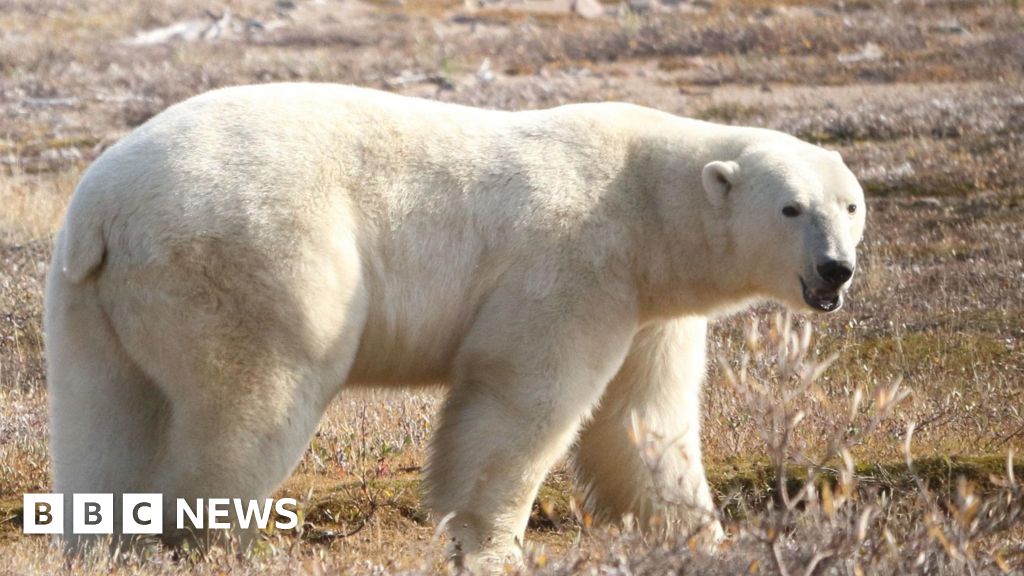
Researchers at the University of East Anglia report that polar bears in southeastern Greenland show altered gene expression tied to heat stress, ageing, metabolism and fat processing—changes consistent with adaptation to warmer conditions and a shift away from high‑fat, seal‑based diets as sea ice and hunting platforms decline. Lead researcher Dr Alice Godden says these genomic shifts, which may have arisen over recent decades (possibly the past ~200 years), could serve as a genetic blueprint to inform conservation strategies, even as the species remains protected under the U.S. Endangered Species Act (2008). However, Godden warns two‑thirds of polar bears could vanish by 2050 absent significant action to limit global warming, underscoring continued climate risk to the population.
Researchers at the University of East Anglia report altered gene expression in polar bears from southeastern Greenland in pathways tied to heat stress, ageing, metabolism and fat processing, findings the lead author Dr Alice Godden describes as a potential "genetic blueprint" for adaptation. The study highlights changes consistent with reduced reliance on seal-based, high-fat diets and possible shifts toward handling scarcer, more plant-based food sources; researchers estimate these genomic shifts may have emerged over recent decades, potentially within the last ~200 years.
Despite adaptive signals, the study underscores continued existential risk: polar bears received U.S. Endangered Species Act protections in 2008 and Dr Godden warns two-thirds of the population could vanish by 2050 without limits on global temperature increases. The genetic findings therefore inform conservation strategy but do not obviate the need for climate mitigation or habitat protection.
From a market perspective the direct financial impact is currently limited and sentiment is mixed, but the story elevates ESG, conservation genomics and related policy funding as areas to monitor. Investors should track peer-reviewed validation, public funding shifts, NGO activity and regulatory developments that could alter philanthropic, grant or corporate engagement flows into conservation and biotech collaborations.
AI-powered research, real-time alerts, and portfolio analytics for institutional investors.
Request DemoOverall Sentiment
mixed
Sentiment Score
0.00
