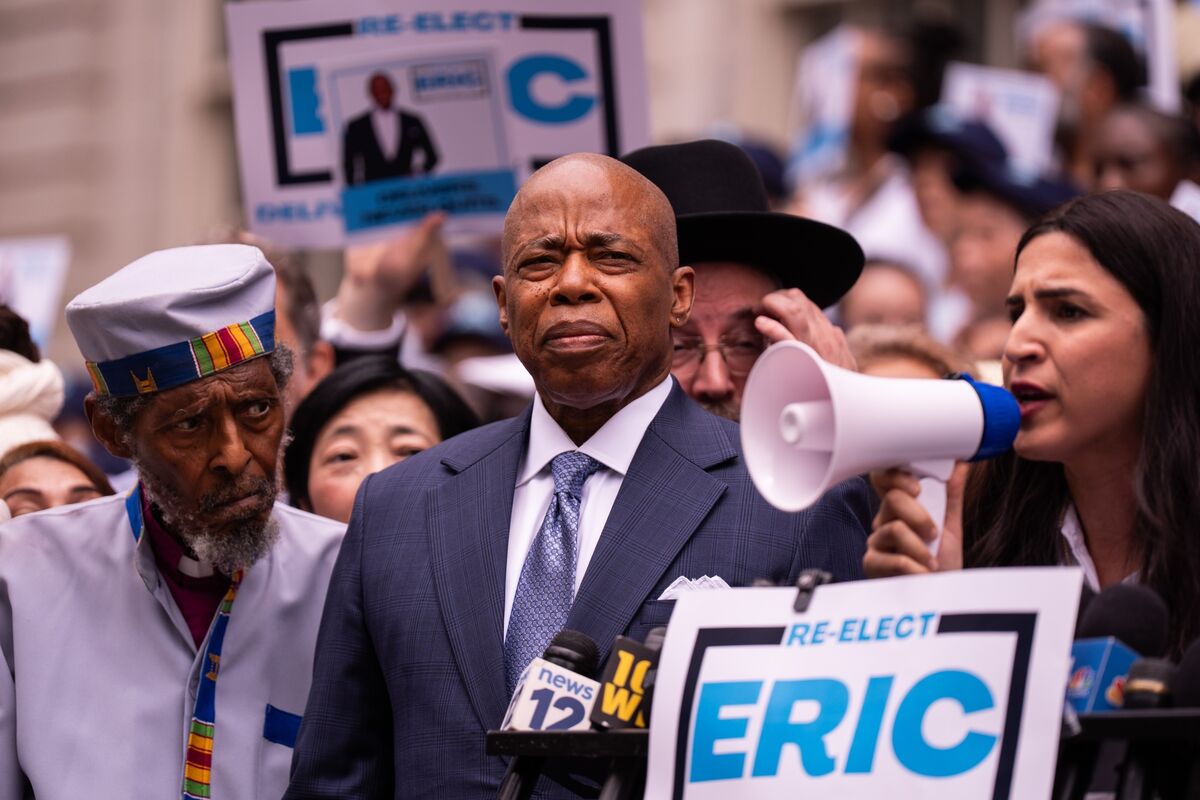
New York City has approved a $115.9 billion budget for the fiscal year commencing July 1, representing a $3.9 billion increase from the prior year's $112 billion spending plan. This final budget of Mayor Eric Adams' first term allocates new funding towards migrant legal services and early childhood education, signaling the city's evolving fiscal priorities and increased social spending ahead of Adams' independent re-election campaign in November.
New York City has finalized a $115.9 billion budget for the fiscal year beginning July 1, marking a notable increase of over $3 billion from the prior year's $112 billion plan. The new budget allocates additional funding toward social programs, specifically legal services for migrants and early childhood education, reflecting a shift in fiscal priorities. This spending increase occurs within a significant political context, as it is the final budget of Mayor Eric Adams' first term and precedes his re-election campaign as an independent. While the immediate market impact is assessed as low, the expansion of the city's budget raises important questions for municipal credit analysts regarding long-term fiscal sustainability and the revenue streams required to support higher expenditure levels.
AI-powered research, real-time alerts, and portfolio analytics for institutional investors.
Request DemoOverall Sentiment
neutral
Sentiment Score
0.00
