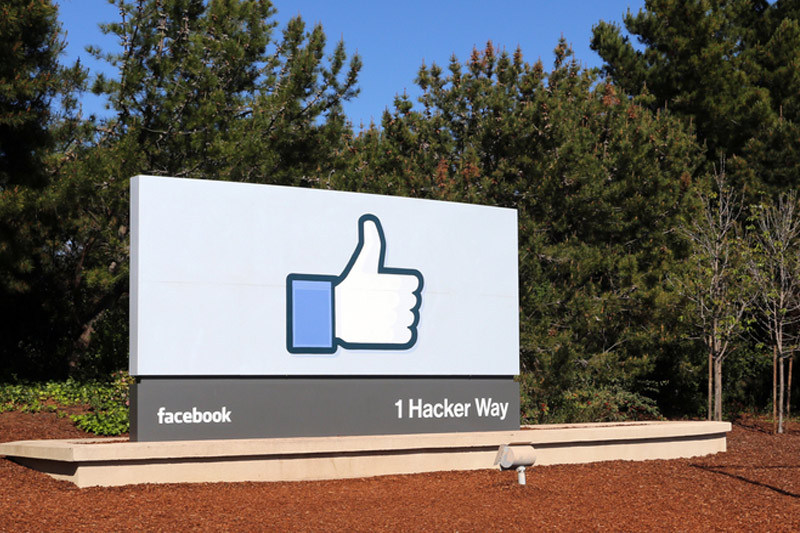
BMO Capital reiterated a Market Perform rating on Meta Platforms with a $730 price target, citing uncertainty around the company’s AI monetization strategy despite solid fundamentals. Meta’s projected $132 billion in 2026 capex, upcoming earnings in seven days, and reported plans for roughly 8,000 layoffs add to the mixed outlook. The article also highlights employee tracking for AI training and ongoing regulatory concerns, which temper the near-term investment case.
META is stuck in a classic capex credibility gap: the market will tolerate elevated AI spend only if it can see a path to either lower CAC, higher engagement monetization, or a defensible enterprise product. Absent that, the stock behaves more like a large mature ad platform funding a science project than a compounding AI winner, which caps multiple expansion even if earnings hold up near term. The next 1-2 quarters are likely to trade on execution optics rather than model upside.
The more interesting second-order effect is on the AI supply chain. If Meta keeps leaning into custom infrastructure while delaying a clear monetization narrative, that spend supports semiconductor and networking demand even while pressuring Meta equity returns; that is structurally bullish for selected AI hardware names and neutral-to-negative for software peers that are being evaluated against a harsher internal hurdle rate. Workforce reductions can mechanically improve margins, but they also signal that management is optimizing for near-term P&L defense, not aggressive product experimentation, which may slow any genuine AI surprise.
A key contrarian point: the market may be underestimating how quickly a vague AI strategy can become a positive if Meta frames the spend as a multi-year infrastructure moat rather than a near-term revenue line item. If that framing lands alongside earnings and the company avoids disappointing ad growth, the stock could re-rate modestly without any monetization breakthrough. Conversely, if guidance shows capex rising faster than ad yield or engagement metrics, the downside is likely to come from multiple compression rather than earnings misses, and that can hit fast over the next 1-3 trading sessions around results.
For AMD, the incremental benefit is more durable than the article implies: Meta’s infrastructure commitments support a broader AI server build cycle, and every dollar of hyperscaler capex that shifts toward inference/training hardware can extend the demand window for accelerators. The risk is that investors overread this as a clean read-through when, in practice, custom silicon and vendor diversification can dilute the benefit for any single chip supplier.
AI-powered research, real-time alerts, and portfolio analytics for institutional investors.
Request TrialOverall Sentiment
neutral
Sentiment Score
-0.10
Ticker Sentiment
