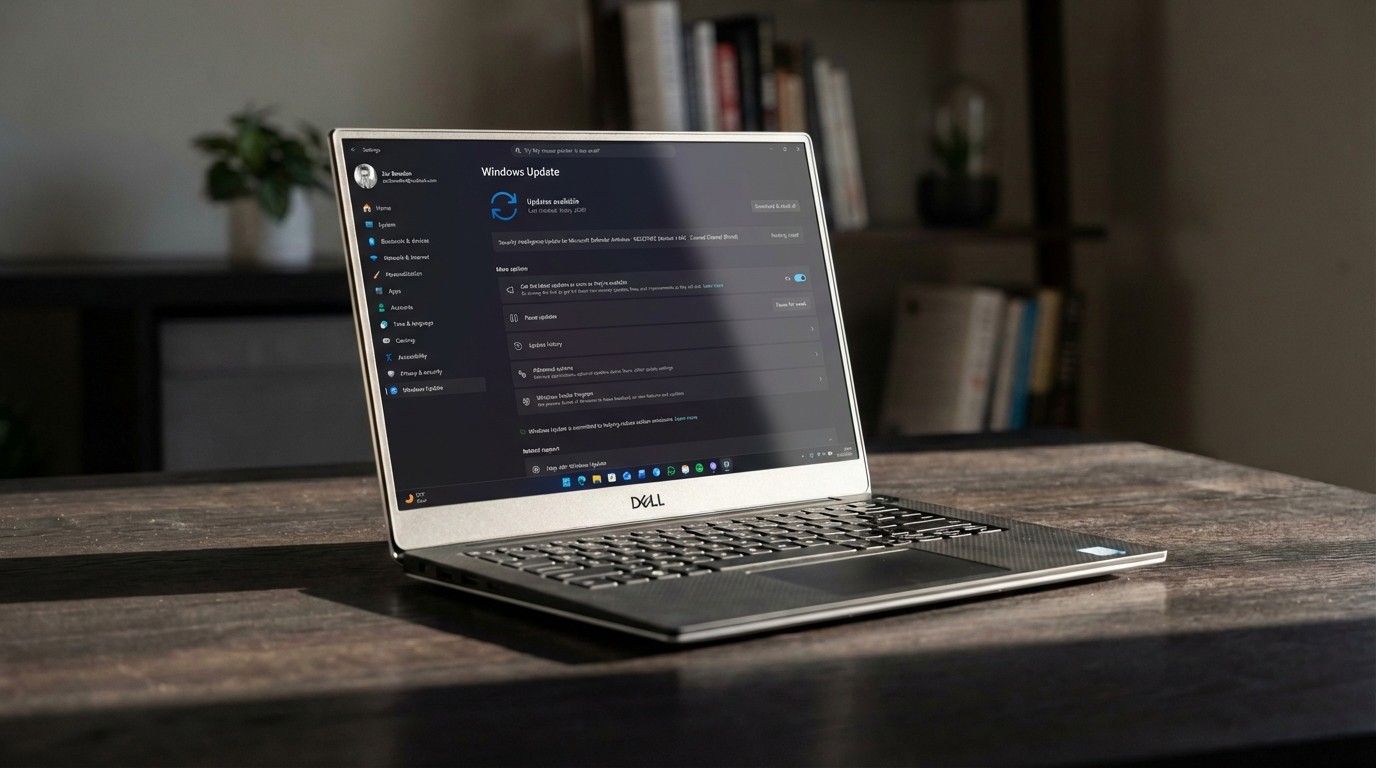
Microsoft issued the optional Windows 11 non-security feature preview KB5077241 for February (available now, auto‑rolling into Patch Tuesday on March 10), delivering a range of quality‑of‑life and performance improvements including faster wake‑from‑sleep, UI and taskbar responsiveness, search previews, Widgets redesign and Emoji 16.0. The release also adds new functionality relevant to IT and security—built‑in network speed test, camera pan/tilt controls, native Sysmon, Quick Machine Recovery changes, and RSAT support for Arm64—has no reported issues, and is unlikely to materially affect Microsoft’s financials in the near term.
Market Structure: Microsoft (MSFT) is the clear direct winner—small, cumulative UX and reliability gains (wake-from-sleep, search UX, native Sysmon, Arm64 RSAT) lower churn and raise switching costs for enterprises and consumers, supporting marginally higher retention and cross‑sell to Azure/IaaS over 3–12 months. Winners also include Arm64 OEMs and browser/telemetry integrators; losers are niche third‑party monitoring/AV vendors (potentially compressing their TAM by an estimated 3–7% over 12–24 months). Equity reaction should be small but positive (low single‑digit percentage); implied vols on MSFT options likely to compress near term.
Risk Assessment: Tail risks include a rollout bug or exploitable vulnerability in native Sysmon producing enterprise outages or regulatory scrutiny (GDPR/ENISA) that could trigger >5% adverse moves in MSFT shares short‑term. Immediate window (days): sentiment bump; short (1–3 months): enterprise pilots and early migrations; long (6–24 months): measurable revenue mix effects for security vendors and potential ARPU drag if Microsoft commoditizes telemetry. Hidden dependencies: Entra/telemetry opt‑in rates, OEM driver compatibility, and enterprise policy inertia that can delay benefits by quarters. Key catalysts: March 10 Patch Tuesday, enterprise migration announcements, and any regulator inquiries within 30–90 days.
Trade Implications: Tactical overweight MSFT (2–3% portfolio) for 3–9 months to capture adoption and sentiment, financed by trimming smaller security names. Consider a relative pair: long MSFT vs short CRWD/ZS sized 0.5–1% each to express Sysmon commoditization risk. Options: deploy low‑cost, short‑dated call spreads (3‑month, 5%–20% OTM) to capture upside while limiting premium; sell near‑dated puts to enhance yield if comfortable owning stock at a ~5% discount.
AI-powered research, real-time alerts, and portfolio analytics for institutional investors.
Request DemoOverall Sentiment
mildly positive
Sentiment Score
0.30
Ticker Sentiment
Contrarian Angles: Consensus may overstate the transformational nature—this is incremental product quality, not a platform re‑write, so upside is likely modest and front‑loaded. Conversely the market may underprice regulatory/privacy risk and enterprise pushback, which could delay benefits and temporarily widen vol — a 10–20% downside in niche security stocks is plausible if MSFT accelerates integrations. Historical parallels: Windows Defender integration eroded AV vendors over multiple years; expect a similar multi‑quarter bleed rather than immediate collapse.
