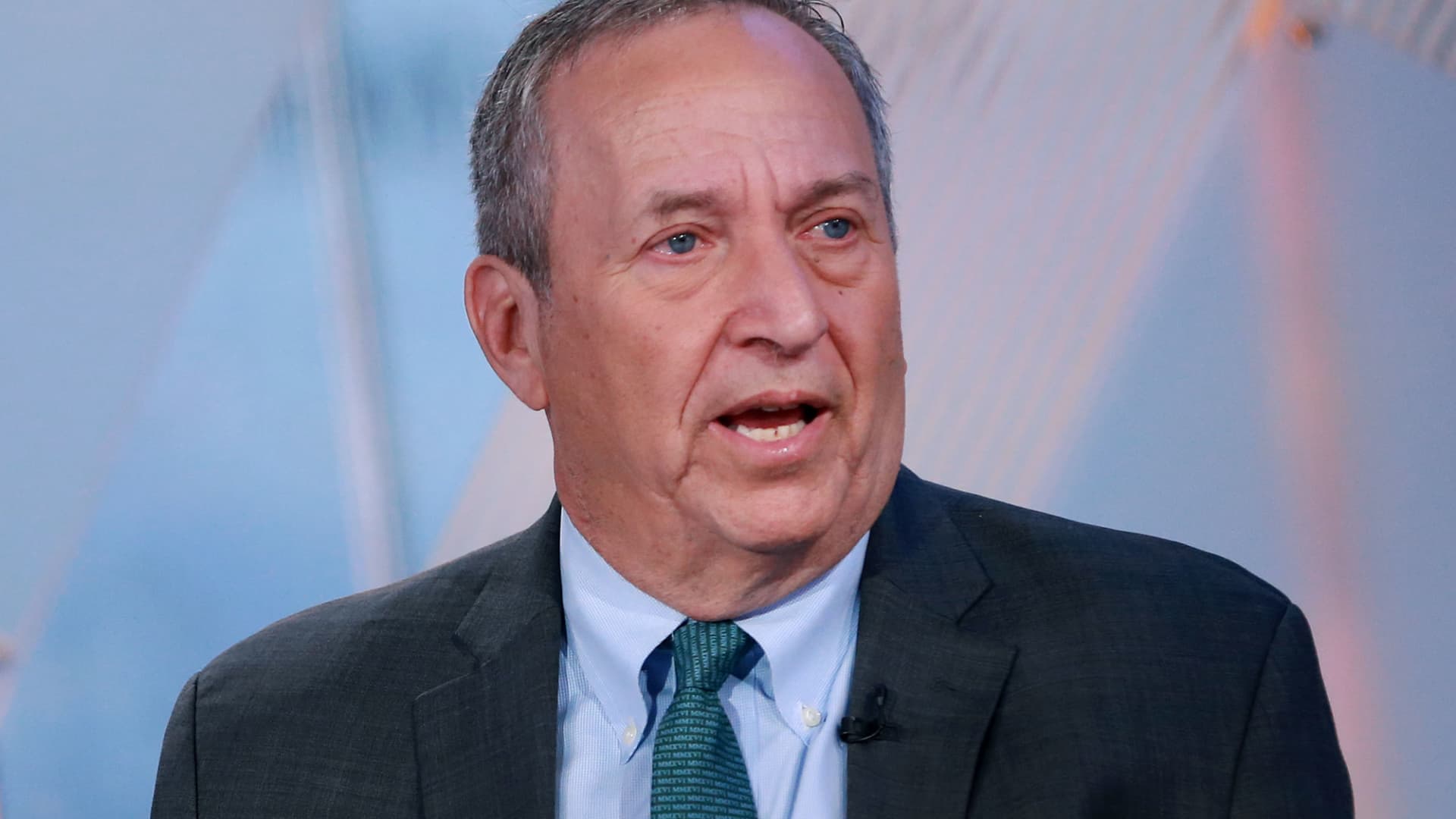
Former Treasury Secretary Larry Summers said he will step back from public commitments and take responsibility after the Harvard Crimson published emails showing he sought advice from convicted sex offender Jeffrey Epstein while pursuing a romantic relationship in 2018–2019; Summers, who will continue teaching at Harvard, is also a director at OpenAI and a Bloomberg columnist. The disclosure follows the release of documents by the House Oversight Committee and has prompted calls from Sen. Elizabeth Warren for Harvard to sever ties, while Florida Attorney General Pam Bondi has asked Manhattan U.S. Attorney Jay Clayton to investigate Epstein’s relationships with Summers and other high-profile figures; the House is set to vote on a measure to force the DOJ to release additional Epstein files. The episode creates near-term reputational and governance risk for Harvard, OpenAI and other affiliated institutions and could trigger further scrutiny or investigations of senior figures and corporate boards.
Former Treasury Secretary Larry Summers announced he will step back from public commitments after the Harvard Crimson published emails showing he sought guidance from convicted sex offender Jeffrey Epstein while pursuing a romantic relationship between November 2018 and July 2019. The disclosures follow the House Oversight Committee’s release of more than 20,000 documents from Epstein’s estate and prompted Summers’ statement that he will continue teaching but withdraw from other public roles; Summers currently directs the Mossavar-Rahmani Center at Harvard, teaches five courses this semester, sits on OpenAI’s board, and writes for Bloomberg.
Political and governance fallout has been swift: Senator Elizabeth Warren publicly urged Harvard to sever ties, and Florida Attorney General Pam Bondi requested Manhattan U.S. Attorney Jay Clayton investigate Epstein’s relationships with Summers, Bill Clinton, Reid Hoffman and JPMorgan Chase. The House is scheduled to vote on a measure to force DOJ to release additional Epstein files, indicating potential for further revelations and regulatory or legal scrutiny that have produced a moderately negative market tone and a modest negative per-ticker sentiment for JPMorgan.
For investors, the immediate impact appears reputational rather than balance-sheet material, but the situation creates a clear event risk pathway—DOJ file releases, subpoenas, or board changes at OpenAI or institutional governance actions at Harvard could create market-moving headlines. Monitor official statements, filings, and any expansion of investigations closely; absent direct financial disclosures, avoid precipitous portfolio moves but prepare tactical hedges if regulatory inquiries widen to institutional or banking exposures.
AI-powered research, real-time alerts, and portfolio analytics for institutional investors.
Request DemoOverall Sentiment
moderately negative
Sentiment Score
-0.50
Ticker Sentiment
