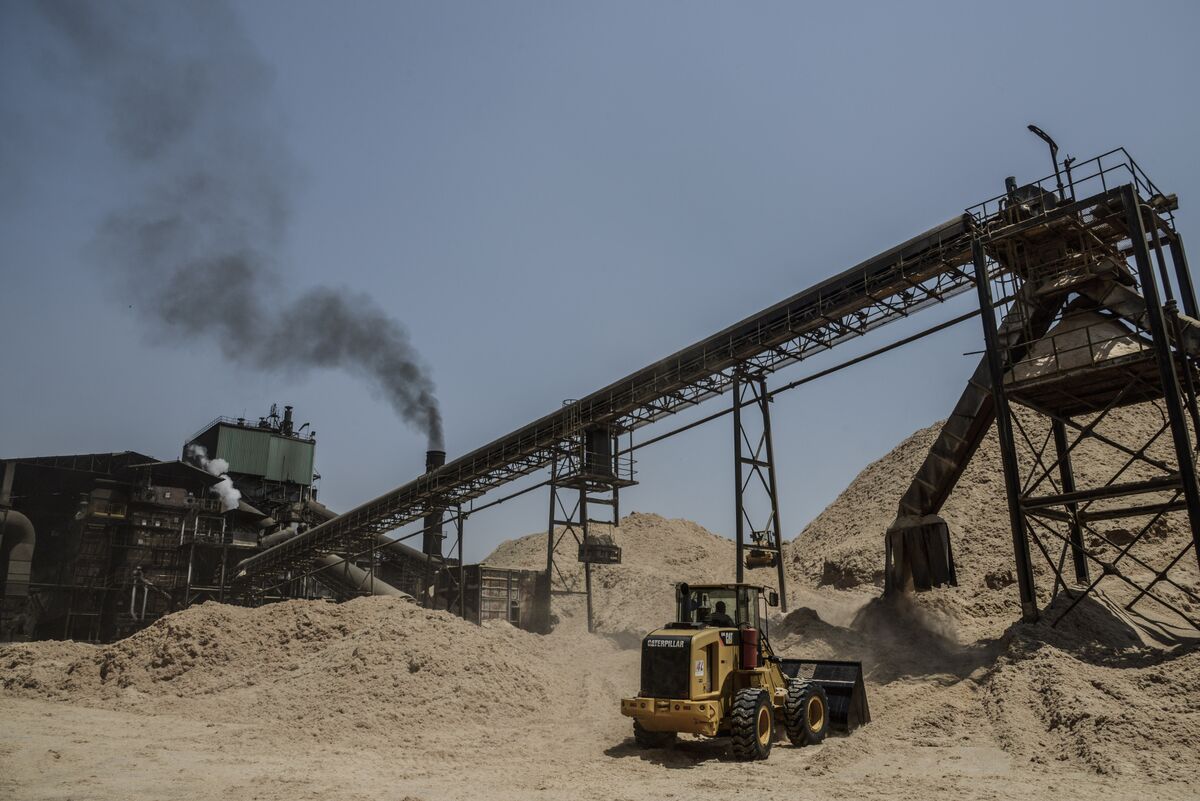
Brazil's regulators have approved a long-anticipated increase in the ethanol blend in gasoline, a key biofuel initiative. This policy shift is poised to primarily benefit corn mills, marking a significant departure from the traditional dominance of sugar cane processors in the country's ethanol supply and signaling a structural change in Brazil's biofuel industry.
A significant regulatory development in Brazil has approved an increased ethanol blend in gasoline, fundamentally altering the landscape of the country's biofuel industry. Contrary to expectations that this would uniformly benefit the established ethanol sector, the primary beneficiaries are projected to be corn mills, not the traditional sugar cane processors that have historically dominated supply. This policy signals a structural shift in feedstock preference, creating a clear divergence in outlooks within the Brazilian biofuels market. While the move supports the broader decarbonization and renewable energy transition, it effectively disadvantages the incumbent sugar cane industry, which may now face increased competition and potential market share erosion in the domestic fuel market.
AI-powered research, real-time alerts, and portfolio analytics for institutional investors.
Request DemoOverall Sentiment
mixed
Sentiment Score
0.00
