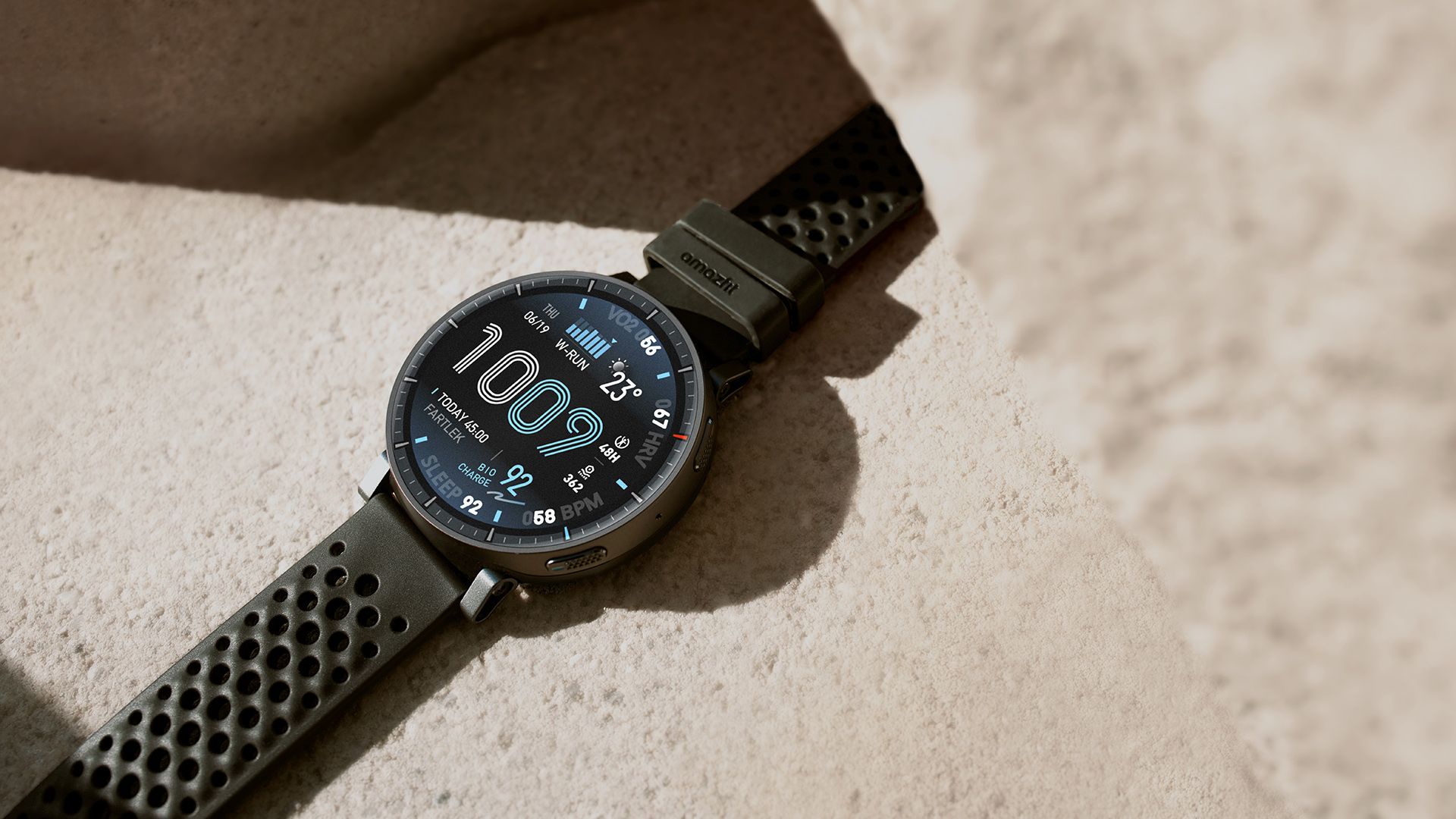
Amazfit has launched the Active Max, a sports-focused smartwatch priced at £169 / $170 / €169.90 positioned as a budget rival to premium Garmin and Apple models. Key specs include a 1.5-inch 480x480 60Hz AMOLED (up to 3,000 nits), 658mAh battery with up to 25 days typical use (13 days heavy use, 64 hours GPS), 4GB onboard music storage, offline topographic/ski maps, GNSS chipset, PPG heart-rate, SpO2 and temperature sensors, NFC and Bluetooth 5.3. The aggressive feature-to-price positioning could intensify competition in the lower-priced wearable segment and attract price-sensitive consumers replacing higher-margin incumbents.
Market structure: The Active Max (~$170) materially undercuts premium GPS-running watches (Garmin Forerunner/Forerunner-class at >$400), creating immediate price pressure in the mass endurance segment. Winners: Zepp/Amazfit (budget OEMs), GNSS/chip suppler Airoha, and retail channels that sell volume; losers: GRMN (direct ASP/mix hit) and, to a lesser extent, AAPL if Apple Watch sees migration at lower price sensitivity. Expect a 3–8% share shift in the casual/entry endurance market within 6–12 months, compressing Garmin’s wearable growth and ASPs unless it rebundles services or cuts prices.
Risk assessment: Tail risks include IP litigation or a regulator targeting bundled health-data features, and Airoha/component sanctions or shortages that could stall Amazfit shipments; operational execution (firmware, mapping accuracy) is another knock-on risk. Time horizons: immediate (0–30 days) — January sell-through and reviews will set tone; short-term (1–3 months) — channel inventory and Garmin guidance; long-term (12–24 months) — ecosystem stickiness and services revenue determine sustainable share. Hidden dependencies: Amazfit’s ability to monetize services (payments, AI coaching) and maintain firmware/OTA support.
Trade implications: Direct plays — establish a 2–3% long position in ZEPP (Amazfit’s parent) for a 6–12 month horizon, target 30–50% upside if sell-through exceeds expectations; initiate a 1–2% short or buy 3-month 15% OTM puts on GRMN expecting 10–20% downside on ASP erosion. Pair trade — long ZEPP / short GRMN to isolate competitive transfer risk. Options — prefer limited-risk structures: 3-month bear put spread on GRMN (−10%/−20% strikes) and a low-cost 90-day call spread on ZEPP; time entries now and scale in 25% tranches.
Contrarian angles: Consensus underestimates software/service stickiness — Garmin’s CIQ ecosystem and running metrics could retain serious athletes, limiting long-term share loss; conversely, Amazfit’s razor-thin margins may force discounting and poor user experience, reversing initial traction. Historical parallel: mid-2010s budget smartphone entrants grabbed volume but not high-margin share; outcome depended on services monetization. Actionable guardrails: stop-loss at 20% on ZEPP longs, exit GRMN shorts if guidance cites resilient pro-segment demand or ASP recovery within 60 days.
AI-powered research, real-time alerts, and portfolio analytics for institutional investors.
Request DemoOverall Sentiment
moderately positive
Sentiment Score
0.35
Ticker Sentiment
