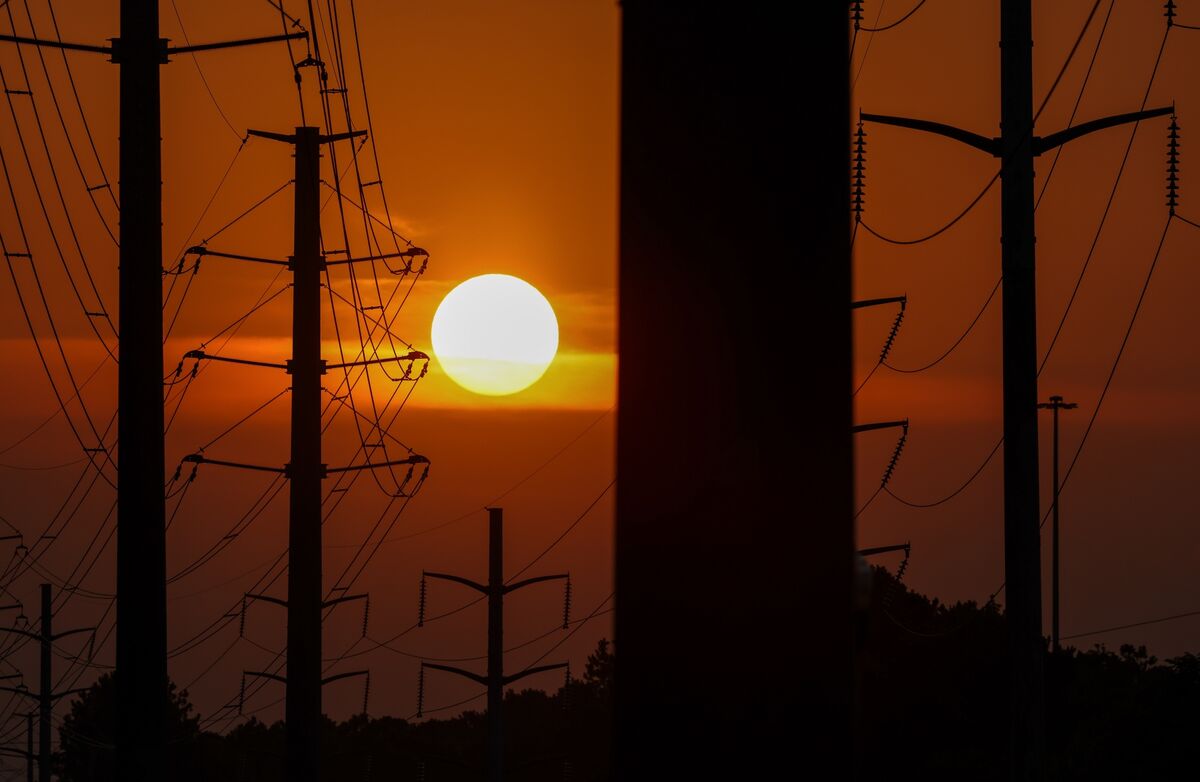
A severe, week-long heatwave is impacting nearly half of the US, stretching from Nebraska to the Northeast and down to Texas, with major cities like New York and Chicago experiencing 'feels like' temperatures exceeding 100F. This extreme weather is significantly boosting power demand and threatening grid stability across the affected regions, posing direct implications for energy markets, utility sector performance, and broader economic activity due to potential disruptions and increased consumption.
A significant heatwave is impacting nearly half of the United States, with heat advisories stretching from the Midwest to the Northeast and down to Texas. Major metropolitan areas, including New York and Chicago, are projected to experience 'feels like' temperatures exceeding 100°F (36°C). The primary financial implication of this widespread weather event is a substantial surge in electricity demand as cooling systems operate at maximum capacity. This places considerable strain on regional power grids, elevating the risk of service disruptions and testing the operational limits of utility providers. The event directly impacts the energy markets, likely causing a spike in real-time electricity prices and increasing consumption of natural gas, the key fuel for peaker power plants. The moderately negative sentiment and pessimistic tone associated with this news reflect the significant risks to grid stability and public health, which could translate into broader economic disruptions if power outages materialize.
AI-powered research, real-time alerts, and portfolio analytics for institutional investors.
Request DemoOverall Sentiment
moderately negative
Sentiment Score
-0.50
