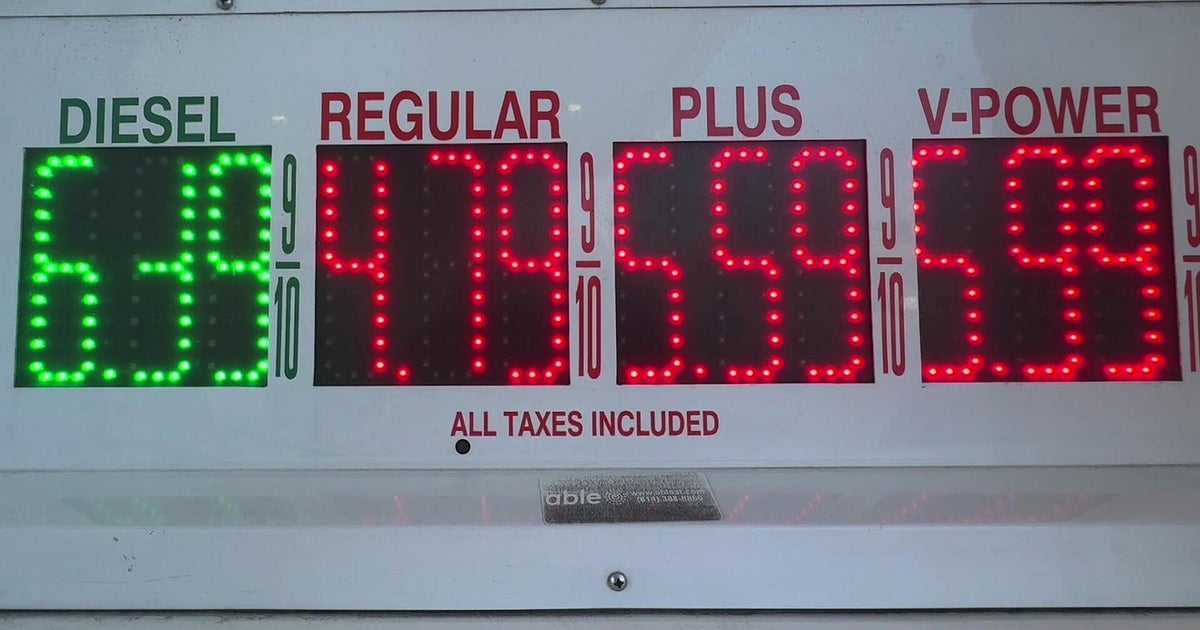
Massachusetts gasoline prices jumped 31 cents in one week to $4.35 per gallon, up from $2.98 a year ago, as the Iran-related Strait of Hormuz disruption tightens global oil supply. The article says tankers are diverting to the U.S. Gulf Coast, drawing crude, diesel, and gasoline from domestic supply and potentially keeping elevated prices in place until 2027. Airlines may be most exposed because jet fuel is hard to store and cannot be stockpiled.
This is not just a retail fuel-price story; it is a margin-transfer event from consumers to upstream energy and logistics capacity, with the first-order inflation impulse likely showing up in transport-sensitive sectors before it is visible in headline CPI. The most important second-order effect is that regional price spikes can persist even if crude retreats, because refinery utilization, product inventories, and tanker routing create a lagged bottleneck that keeps finished fuels tight after the original shock fades. The market is likely underappreciating the asymmetry between crude and refined products. If Gulf Coast barrels are being pulled into overseas arbitrage, U.S. inland and Northeast product balances tighten faster than benchmark oil would imply, which is bullish for refiners with access to advantaged feedstock and bearish for airlines, trucking, and consumer discretionary names with weak pass-through. Jet fuel is the cleanest pressure point: limited storage means airlines cannot hedge physical supply the way refiners can, so ticket pricing power may lag cost inflation by one to two quarters. The contrarian view is that the move may be extended but not permanent. A credible escort regime through the chokepoint could normalize tanker flows faster than supply chains can reprice, creating a sharp correction in refined-product premiums even if geopolitics remain tense. That makes this a trade on product spreads and earnings revisions, not just outright crude; the biggest risk is entering too late after the market has already discounted the geopolitical premium into energy equities and fuel-sensitive names. Over a 1-3 month horizon, I would expect the cleanest alpha to come from relative-value exposure: long refiners versus airlines, with the possibility that airlines see the most immediate estimate cuts while refiners retain pricing power. Over 6-12 months, if the disruption persists, the inflation impulse becomes a macro headwind that can compress multiples in consumer and transportation sectors even if nominal revenue rises. The key catalyst to watch is whether shipment throughput normalizes within weeks; if it does, the current spike in product premiums could unwind faster than consensus expects, creating a tactical short in energy beta.
AI-powered research, real-time alerts, and portfolio analytics for institutional investors.
Request DemoOverall Sentiment
strongly negative
Sentiment Score
-0.60
