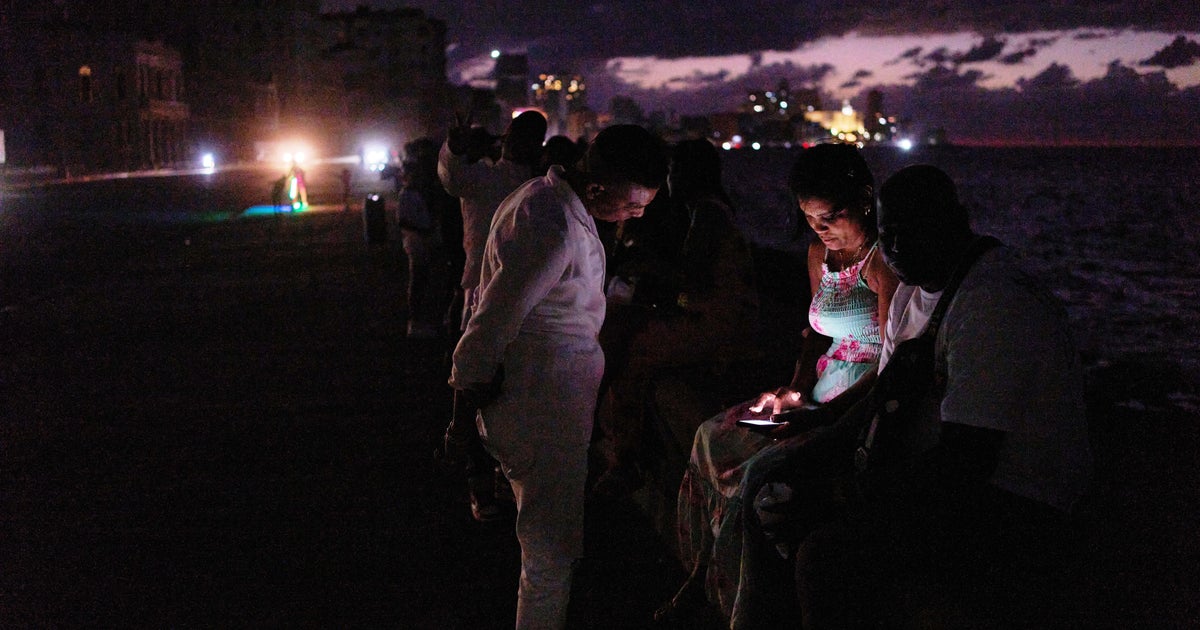
A nationwide Cuban power-grid collapse left millions without electricity; about 72,000 customers in Havana (including five hospitals) had limited service restored early Sunday. The Cuban Electric Union blamed an unexpected shutdown of a generation unit at the Nuevitas thermoelectric plant, while authorities say the country has gone three months without fuel imports and produces only ~40% of required fuel. The outages have prompted rationing, reduced work hours, suspended or cut flights, equipment damage and protests, increasing political and economic stress on an already fragile emerging-market economy.
This event is primarily a shock to service-provision economics rather than a one-off headline: sustained grid failure converts a capital-light tourism and public-services model into a fuel- and generator-intensive model almost overnight. Expect a step-change in local OPEX for hotels, hospitals and logistics providers as they burn expensive diesel and accelerate procurement of skid-mounted gensets and spares; conservatively, operators burning backup fuel full-time can see fuel-driven operating costs rise by a mid-double-digit percent within weeks and remain elevated for quarters until reliable supply or repairs occur.
Sanctions and geopolitics create a two-way accelerator: near-term suppliers of fuel and gensets (third-country traders, state-backed energy partners) get immediate commercial leverage, while restrictions on shipping and finance constrain the marketplace for those suppliers, widening margins but lengthening settlement times and increasing counterparty risk. Politically, frequent, visible infrastructure failures raise the probability of protest-driven policy concessions or targeted sanctions relief as bargaining chips — a 3–12 month window where diplomatic engagement or external fuel infusions could materially re-rate the trajectory.
Second-order contagion risk: regional freight & charter markets will re-route and reprice capacity to service Cuba and nearby islands, tightening availability and pushing short-term bunker and freight rates higher in the Caribbean. Financially, any credible expectation of prolonged instability increases risk premia for EM debt and selectively squeezes tourism-linked equities and travel insurers while boosting demand for industrial-capex names that supply gensets, switchgear and fuel logistics.
AI-powered research, real-time alerts, and portfolio analytics for institutional investors.
Request DemoOverall Sentiment
strongly negative
Sentiment Score
-0.60
