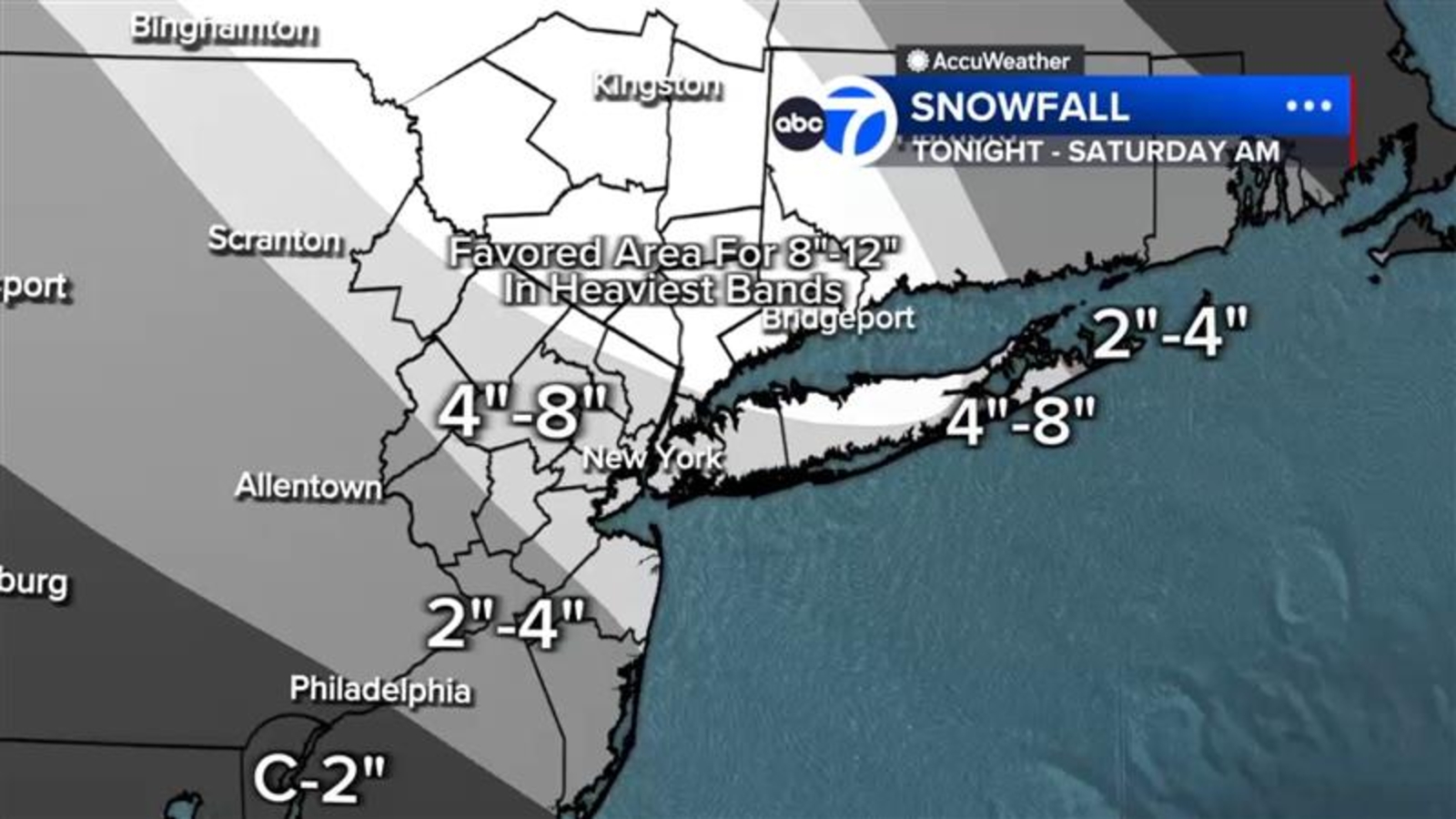
New York City is mobilizing for a post-Christmas snowstorm with public works crews pre-treating major roads with liquid road salt and standing ready to deploy more than 2,200 plows once accumulation reaches roughly two inches. The MTA is treating sidewalks and stairwells and equipping buses with chains while subways are expected to continue running; officials warn roads will be hazardous and urge residents to stay off streets to allow snow removal operations to proceed. Historical context: the city saw multiple storms in winter 2020–21 that produced over 10 inches in separate events, but this event is framed as a local disruption risk rather than a market-moving development.
Winners: municipal snow‑removal suppliers, salt producers and municipal vehicle OEMs (Compass Minerals CMP, Oshkosh OSK) see a predictable but short‑duration revenue bump from pre‑treatment and plow deployment; losers are NYC‑centric travel & logistics (JBLU, JETS ETF, short‑haul ground carriers, UPS/FDX regional legs) where cancellations and late deliveries compress near‑term revenue by an estimated single‑digit percent if accumulations exceed 4–6 inches. Competitive dynamics are temporary — market share shifts are negligible unless storms recur; pricing power is limited to spot salt/contract rush premiums (potentially +10–30% short term).
Tail risks: a >10‑inch event or multi‑day transit shutdown could produce days‑to‑weeks of urban economic drag, municipal emergency spending and >15% short‑term revenue hits for retailers/airlines, and reputational/legal exposure for transit operators. Immediate effects (0–7 days) are operational; short term (weeks) affects logistics schedules and Q4 comps; long term (quarters) could accelerate municipal capex (fleet replacement, salt inventories) if storms increase frequency. Hidden dependencies include salt supply chain constraints (single‑supplier concentration) and port/rail knock‑on effects.
Trade implications: short‑dated directional trades include long CMP/OSK exposure sized 1–2% of portfolio for 2–6 weeks (or 4–8‑week call spreads) and buy 30–45 day 5% OTM put spreads on JETS or JBLU sized 0.5–1% to hedge cancellation risk. Pair trade: long CMP (1%) vs short JETS (1%) to capture asymmetric upside in materials vs downside in travel. Cross‑asset: small long natural‑gas (UNG) for 1–2 weeks if cold persists; munis: watch 5–10bp spread widening in NYC munis as a trading signal.
Contrarian view: consensus underprices repeated municipal spending upside — two severe storms in a season can justify incremental capex and raise multi‑quarter demand for fleets and salt, favoring CMP/OSK beyond the immediate window. Conversely, markets often overreact to airline disruption intraday; if snowfall <4 inches, airline/retail put premium will decay rapidly. Historical parallels (NYC 2020/21) show operational disruption but limited lasting equity impact, so size positions small and use explicit snowfall/cancellation triggers to scale.
AI-powered research, real-time alerts, and portfolio analytics for institutional investors.
Request DemoOverall Sentiment
neutral
Sentiment Score
-0.15
