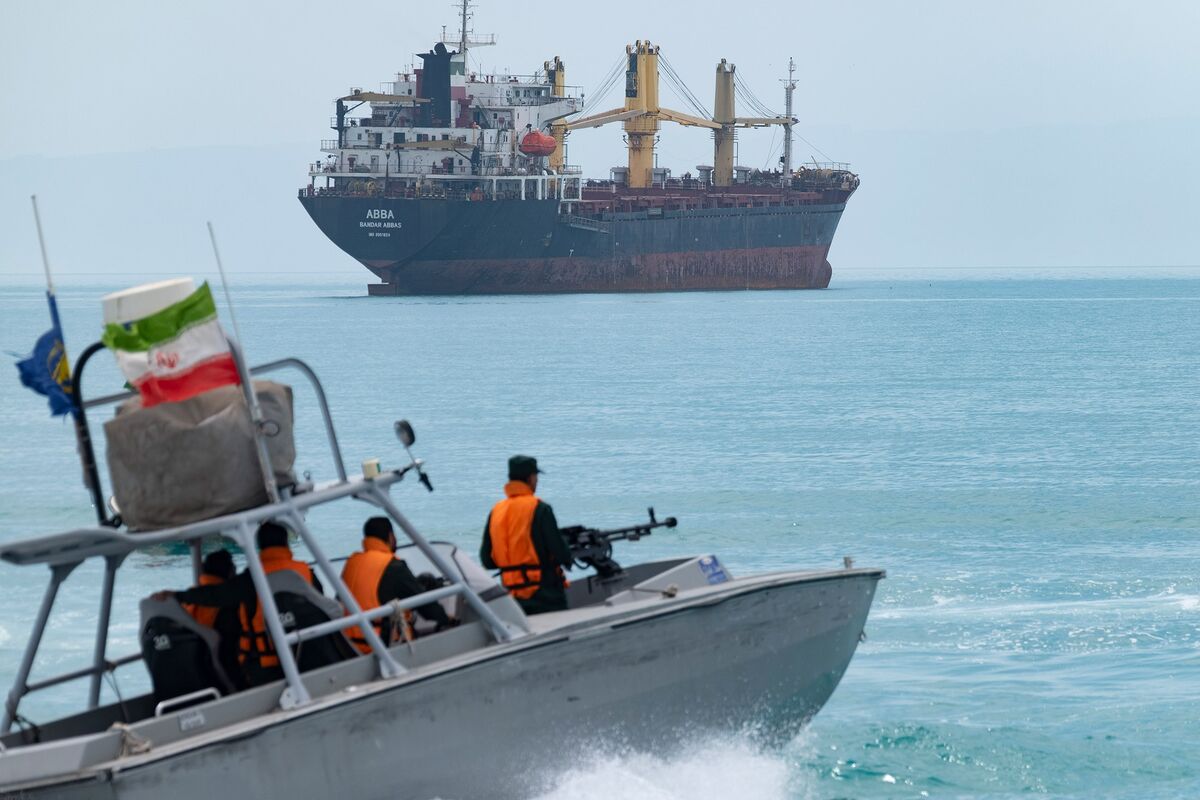
Cargo ship traffic through the Strait of Hormuz experienced a slight decrease, with 111 ships on June 15 compared to 116 on June 12, according to the Joint Maritime Information Center, following attacks by Tel Aviv on Iranian nuclear facilities and military commanders. This muted impact on the critical waterway, which handles approximately 20% of global oil output, alleviates immediate concerns of significant disruption to oil infrastructure amidst the ongoing Iran-Israel conflict.
Oil transit through the Strait of Hormuz, a critical chokepoint accounting for approximately one-fifth of global oil supply, has experienced a marginal decline following recent Israeli attacks on Iranian targets. Data from the Joint Maritime Information Center indicated 111 cargo ships transited on June 15, down from 116 on June 12. Crucially, this minor reduction has not translated into significant disruptions to key oil infrastructure, thereby alleviating immediate market concerns about a severe supply shock stemming from the Iran-Israel conflict. This development underpins a 'moderately positive' market sentiment and a 'stable' tone, with a notable market impact score of 0.65, reflecting relief that the worst-case scenarios have not materialized, though the underlying geopolitical tensions persist as a key risk factor for energy markets, commodities, and associated logistics.
AI-powered research, real-time alerts, and portfolio analytics for institutional investors.
Request DemoOverall Sentiment
moderately positive
Sentiment Score
0.50
