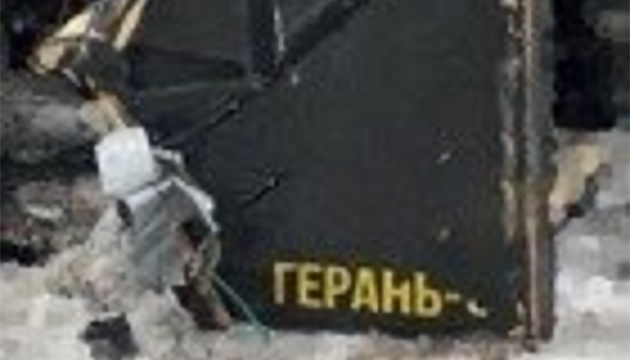
Ukraine's Defense Intelligence reports Russia has deployed the Geran-5 combat drone for the first time; the UAV is roughly 6 m long with a 5.5 m wingspan, a ~90 kg warhead and a declared range of ~1,000 km. Key components include a 12-channel Kometa satellite navigation system, a Raspberry Pi–based tracker with 3G/4G modems and a higher-thrust Telefly engine, and analysts note strong design similarities to the Iranian Karrar, with exploration of air-launch from Su-25s and possible integration of R-73 missiles. Kyiv is conducting detailed technical analysis and reports Russia used nearly 1,100 combat drones, >890 guided aerial bombs and >50 missiles against Ukraine this week, indicating elevated operational tempo and escalation risk for regional security and defense-related sectors.
Market structure: The introduction of long‑range, ~1,000 km Geran‑5 combat drones with ~90 kg warheads (and Russia launching ~1,100 drones this week) shifts demand away from expensive cruise missiles toward low‑cost, high‑volume strike systems and proportional counter‑UAS/EW solutions. Winners are suppliers of EW, C‑UAS interceptors, EO/IR sensors and tactical radars; losers include commercial aviation, insurers, and soft‑target infrastructure with rising risk premia. Competitive dynamics favor niche EW/ISR vendors and modular electronics suppliers that can scale production quickly, compressing pricing power for legacy large platforms over the medium term.
Risk assessment: Near term (days) expect flight‑to‑safety moves: stronger USD, lower UST yields, +ve spikes in Brent/gas volatility; weeks–months expect accelerated procurement cycles and rerating of defense primes; quarters–years may see structural budget shifts toward electronic warfare and counter‑drone R&D. Tail risks include escalation to wider strikes or NATO involvement (oil up >20%, equities -10%+), and sanctions broadening to Tier‑1 semiconductors and EMS suppliers, which would disrupt both attackers and Western defenders. Hidden dependency: proliferation relies on commercial 3G/4G and consumer compute hardware (Raspberry Pi / Broadcom SOCs), creating rapid black‑market supply chains and sanction targets.
Trade implications: Tactical trades should favor EW/C‑UAS primes (LHX, RTX, LMT, NOC) and safe‑haven/energy commodities (GLD, XLE) with staggered entries over 1–4 weeks; expect 10–25% outperformance potential for well‑positioned defense names in 3–9 months and 5–10% upside in gold on escalation. Options: use defined‑risk call spreads to capture rerating while limiting premia exposure. Watch catalysts: detailed War & Sanctions forensics, successful air‑launched deployments, or evidence linking specific non‑Russian suppliers that trigger sanctions and repricing.
Contrarian angles: Markets may overpay broad defense ETFs while underpricing small/mid‑cap EW specialists that supply C‑UAS (historical parallel: 2014 re‑rating of defense names 12–18% in 6–12 months). Conversely, sanctions risk is underappreciated — some primes rely on gray‑market components and could see supply shocks that hurt execution; that creates selective short opportunities if forensic reports identify supplier links. Unintended consequence: mass adoption of cheap cruise drones could trigger a costly global race in low‑cost air defenses, benefitting component and software providers more than OEMs of large platforms.
AI-powered research, real-time alerts, and portfolio analytics for institutional investors.
Request DemoOverall Sentiment
moderately negative
Sentiment Score
-0.45
