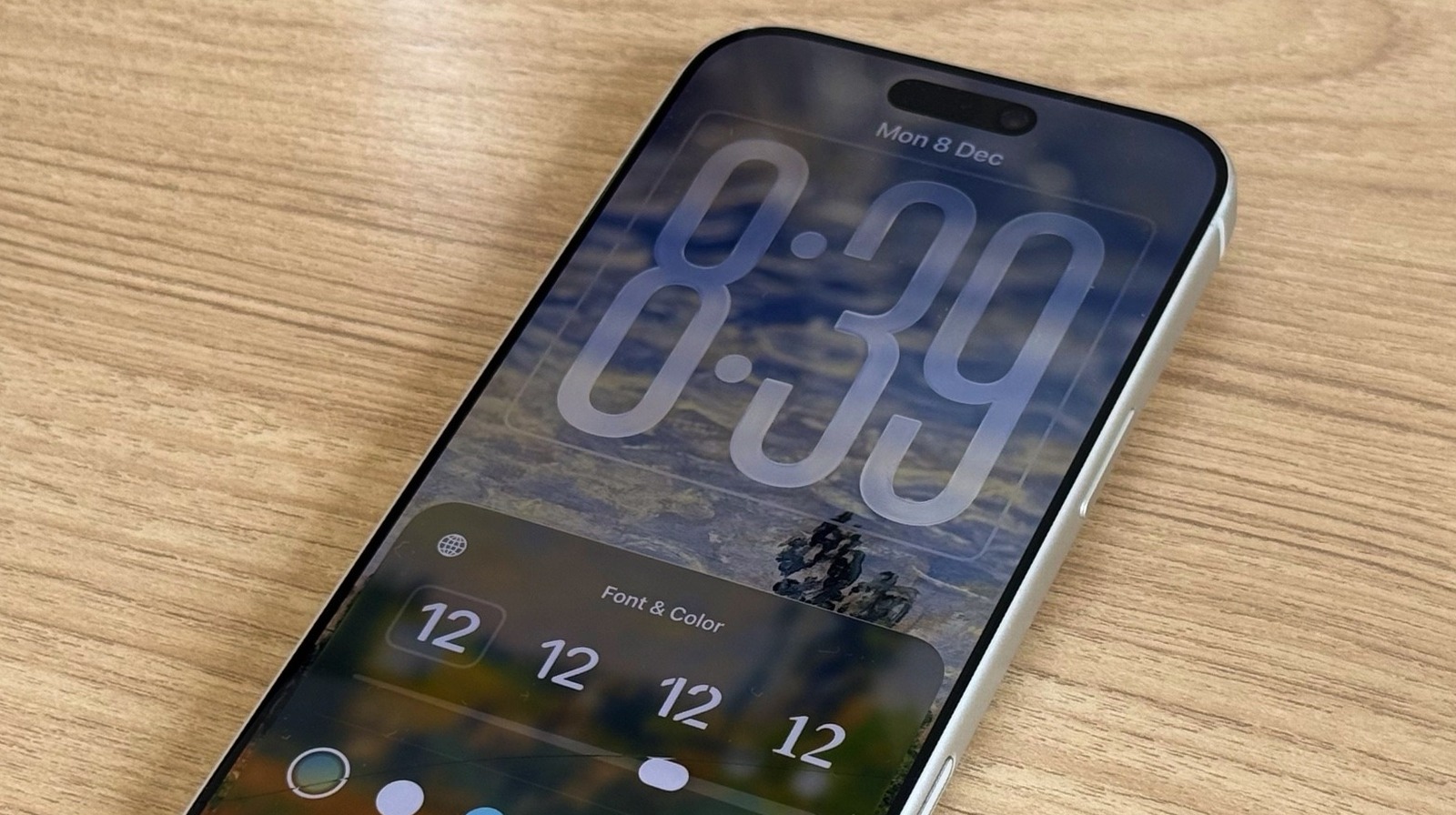
Apple is testing iOS 26.3 with beta builds now and, barring major issues, is likely to ship the production release in late January or early February 2026; it serves as a stepping stone to the larger iOS 26.4 update due in spring 2026. Key changes include improved Android interoperability for data transfers (apps, email, photos) via an Apple–Google collaboration, EU-specific features driven by the Digital Markets Act such as third‑party smartwatch notifications, new NFC components and faster peer‑to‑peer Wi‑Fi, and a new Black Unity wallpaper for Black History Month. Reduced developer staffing over the holidays could slow beta fixes, but the release is largely incremental rather than a material shift to Apple’s product or revenue roadmap.
Market structure: The iOS 26.3 changes incrementally weaken Apple’s wearable exclusivity in the EU and formally creates winners — Garmin (GRMN) and Google (GOOGL) — by lowering friction for cross-ecosystem data and third‑party watch notifications. Expect modest share shifts in EU wearables (a 2–5% reallocation of high-end buyers over 12–24 months) rather than a global shock; Apple (AAPL) retains hardware scale and pricing power outside the EU.
Risk assessment: Immediate risk is low (days) — beta noise and a ~1–3% headline volatility blip around release in late Jan/early Feb 2026; medium risk (weeks–months) centers on buggy rollouts that could dent user sentiment and services engagement by a few percentage points. Tail risks include accelerated EU enforcement or Apple strategic retaliation (feature gating) that could reverse flows; hidden dependency: carrier/app developer support and timely firmware updates will determine real adoption speed.
Trade implications: Tactical plays favor EU-exposed wearable suppliers and Android services — small, time‑boxed long positions in GRMN (6–12 months) and modest directional AAPL option trades to capture the release window. Use pair trades and financed option structures to express Garmin outperformance vs Apple without taking large net market exposure; expect limited cross-asset effects beyond a small tech vol repricing and no material FX/commodities impact.
Contrarian angles: Consensus likely overstates near‑term revenue impact and understates implementation friction — past EU interventions (USB‑C, GDPR) took 6–18 months to affect supplier earnings. Conversely, Apple can monetize new openness (accessory marketplace fees) so a pure short‑AAPL wearable thesis is premature; calibrate sizing and use event triggers (DMA milestones) before scaling.
AI-powered research, real-time alerts, and portfolio analytics for institutional investors.
Request DemoOverall Sentiment
mildly positive
Sentiment Score
0.15
Ticker Sentiment
