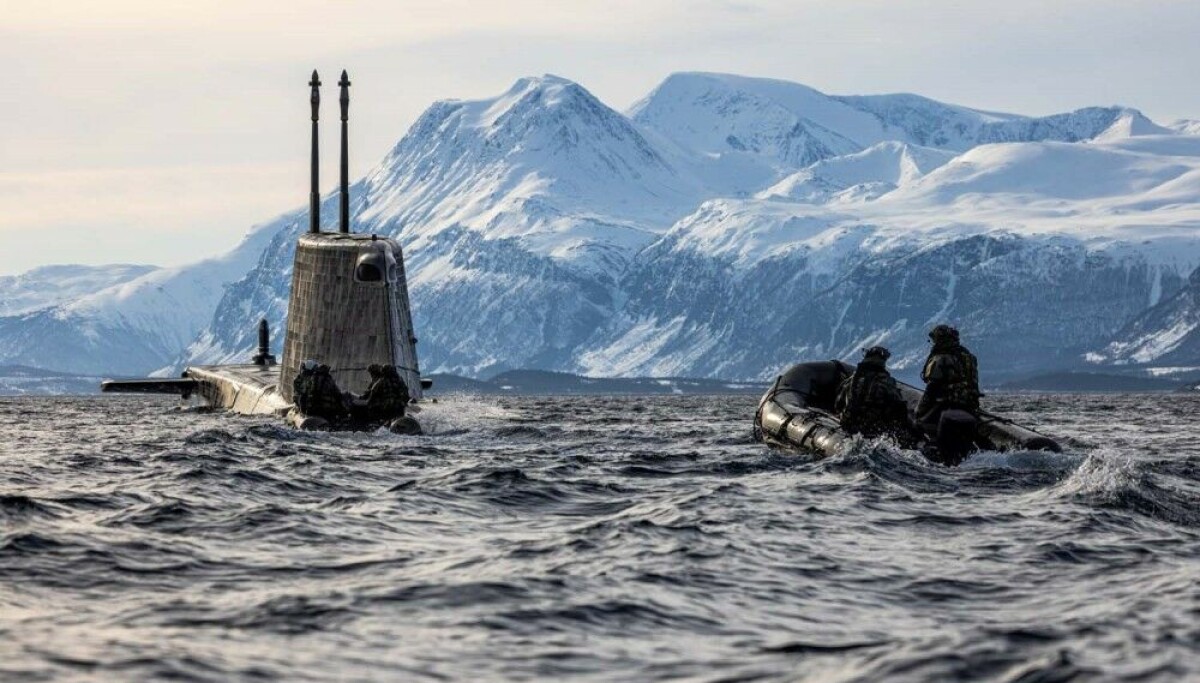
The UK and Norway on Dec. 4 signed a first-of-its-kind bilateral defence agreement to operate their navies side-by-side in the North Atlantic to protect undersea oil and gas pipelines and data cables and to deter growing Russian undersea activity. The pact formalises shared maintenance, technology and interchangeable forces, joint P-8 maritime patrols, new frigates, collaboration on motherships for uncrewed mine-hunting and undersea systems, adoption of Norwegian naval strike missiles by the Royal Navy, deeper cooperation on Sting Ray torpedoes, year‑round Arctic training for Royal Marines and joint wargaming. By combining capabilities and stockpiling munitions the deal boosts NATO interoperability and rapid-deployment deterrence in the High North amid heightened hybrid and seabed-threat concerns.
On Dec. 4 the UK and Norway signed a first-of-its-kind bilateral defence agreement to operate their navies side-by-side in the North Atlantic with the explicit aim of protecting undersea oil and gas pipelines and data cables. The pact formalises shared maintenance, technology and interchangeable forces, commits to joint P-8 maritime patrols and new frigates, and explicitly frames year-round Arctic training and joint wargaming as core elements of interoperability.
Program-level commitments include UK participation in Norway’s mothership programme for uncrewed mine-hunting and undersea systems, adoption of Norwegian naval strike missiles by the Royal Navy, deeper collaboration on Sting Ray torpedoes to bolster munitions stockpiles, and NATO leadership on autonomous systems in the High North. The agreement is presented against increased Russian undersea activity—highlighted in the article by GUGI operations and greater use of deep-diving mini-submarines near UK and Norwegian waters since 2022—shaping a hawkish deterrence posture.
For markets, the deal implies stepped-up procurement and sustainment demand across shipbuilding, maritime patrol support, unmanned undersea systems and munitions, and it raises near-term geopolitical tail risks that may accelerate defence spending. Investors should watch procurement timelines, contract announcements and NATO adoption milestones as primary triggers for sector re-rating.
AI-powered research, real-time alerts, and portfolio analytics for institutional investors.
Request DemoOverall Sentiment
moderately positive
Sentiment Score
0.42
