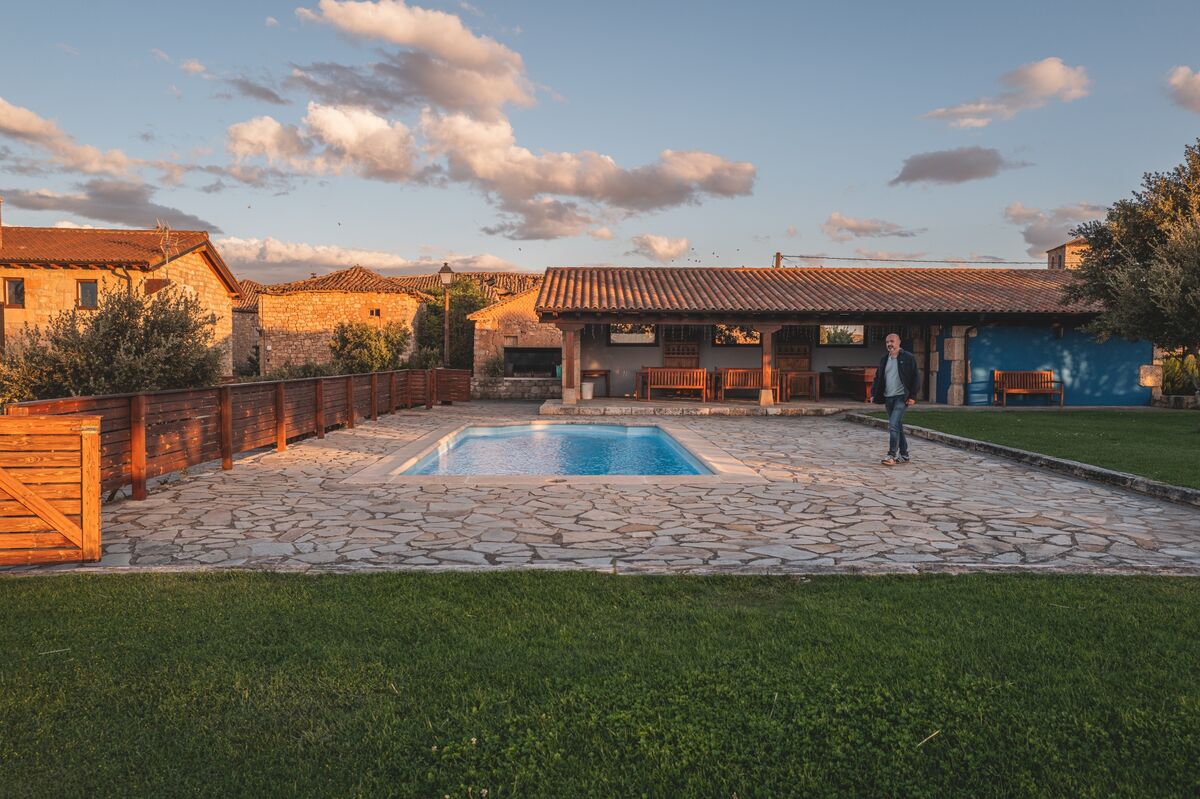
Spain's rural 'Empty Spain' regions are experiencing significant depopulation, evidenced by a 4.4% decline in rural inhabitants between 2014 and 2023, contrasting with a 2.6% national population increase. To counter this trend, driven by factors like limited employment and poor infrastructure, the government is implementing innovative rural projects, including selling villages and offering subsidies to attract wealthy individuals back to these areas, aiming to revitalize declining regional economies and address the demographic imbalance.
Spain is experiencing a significant demographic and economic divergence between its urban and rural areas, a phenomenon termed "España Vacía." A government report quantifies this trend, indicating a 4.4% decline in the rural population from 2014 to 2023, which contrasts sharply with a 2.6% increase in the country's total population over the same period. The depopulation is driven by structural factors, including a lack of employment, deficient infrastructure, and deteriorating housing, particularly noted in regions like Castilla y León. In response, the government is implementing unconventional fiscal policies and real estate initiatives, such as offering subsidies and facilitating the sale of entire villages. The strategy is explicitly aimed at attracting wealthy individuals to spearhead a capital-led revitalization, creating a unique intersection of themes in real estate, fiscal policy, and infrastructure. The low market impact score of 0.1 suggests that while this trend presents long-term, localized opportunities, it is not currently perceived as a significant driver for broader Spanish markets.
AI-powered research, real-time alerts, and portfolio analytics for institutional investors.
Request DemoOverall Sentiment
mixed
Sentiment Score
0.00
