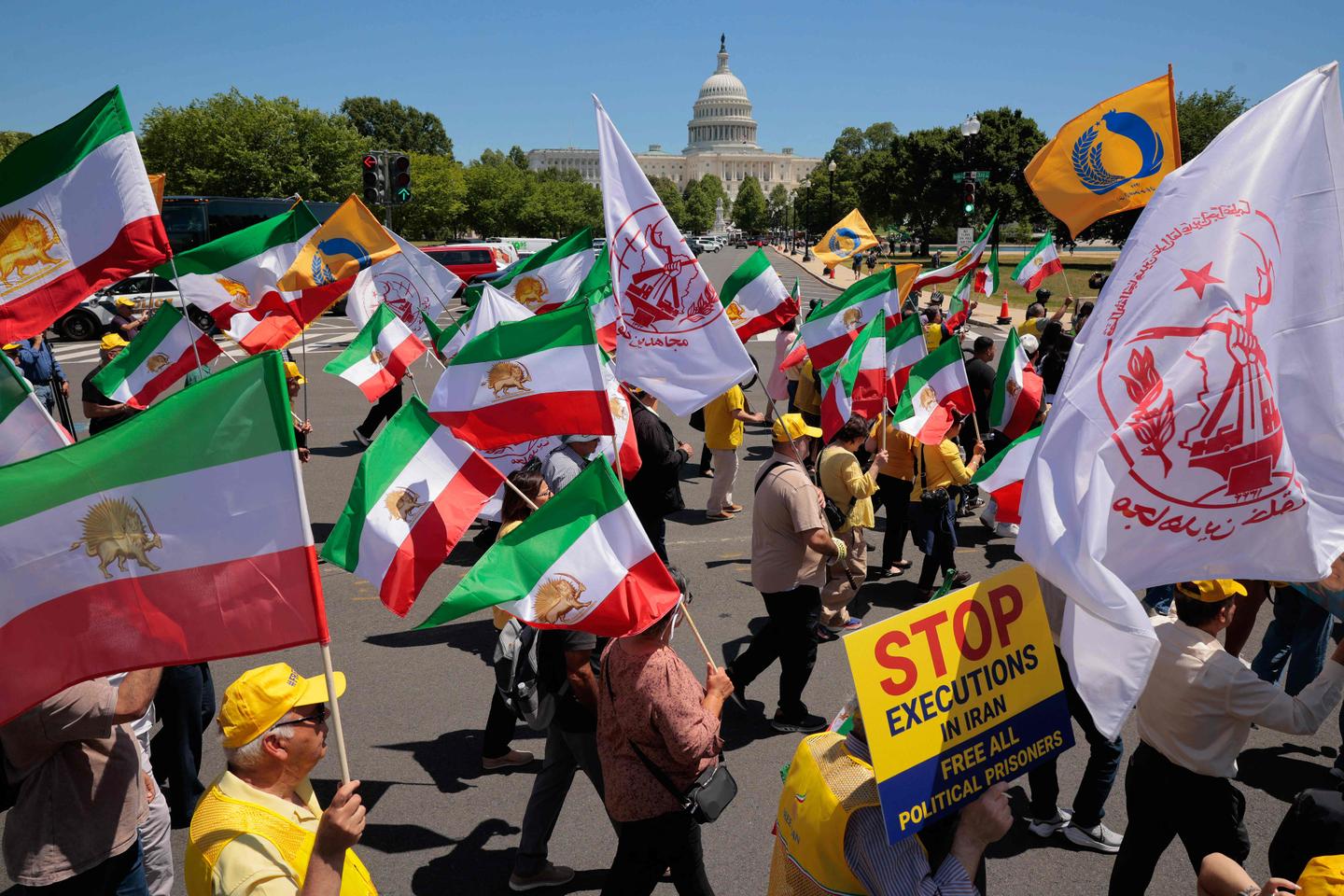
Amnesty International said at least 2,707 people were executed globally in 2025, the highest recorded level since 1981, with Iran accounting for 2,159 cases more than doubling from 2024. Saudi Arabia, Kuwait, Egypt, Yemen, Singapore and the US also posted higher totals, while China remained uncounted due to state secrecy. The report highlights intensifying political repression and death-penalty use in Iran following the June 2025 war with Israel, alongside a broader rise in executions across multiple jurisdictions.
This is a risk-premium event more than a direct earnings event, but it matters for how markets price geopolitical stability in the Middle East and the credibility of sovereign institutions. A state that increasingly uses executions as an internal control mechanism is typically also less predictable on external escalation, which keeps implied volatility elevated across regional defense, energy infrastructure, shipping, and EM credit. The second-order effect is not higher headline risk only; it is a wider discount rate applied to any asset with exposure to Gulf logistics, Iranian proxy networks, or cross-border sanctions enforcement.
The most important transmission channel is policy hardening, not humanitarian optics. As repression rises, Western governments usually face pressure to tighten sanctions, strengthen export controls, and broaden enforcement on intermediaries, which raises friction costs for firms with weak compliance or opaque supply chains. That tends to advantage large, well-capitalized defense primes, cybersecurity names, and regulated infrastructure operators while hurting insurers, freight, and small-cap regional EM lenders with less ability to underwrite geopolitical tail risk.
The contrarian angle is that markets often fade these reports because they feel morally severe but economically diffuse. That is usually wrong when the data signal a regime shifting from deterrence to preemption: once internal repression becomes a core state tool, external risk-taking often rises because leadership has already chosen coercion over legitimacy. The likely catalyst window is months, not days, unless there is a visible retaliatory sanction package or another regional security incident; until then, the trade is positioning for a higher baseline of policy volatility rather than a one-day shock.
China’s opacity is the bigger macro wildcard. If the market starts treating hidden execution data as a proxy for broader legal opacity, that becomes a negative for China risk assets, Hong Kong-listed cyclicals, and multinational firms with China revenue that are already trading on thin trust premiums. The opportunity is to use any temporary de-escalation in Middle East headlines to build exposure to assets that benefit from persistent geopolitical spending and sanctions complexity, while avoiding names whose margins depend on uninterrupted regional trade lanes.
AI-powered research, real-time alerts, and portfolio analytics for institutional investors.
Request DemoOverall Sentiment
strongly negative
Sentiment Score
-0.80
