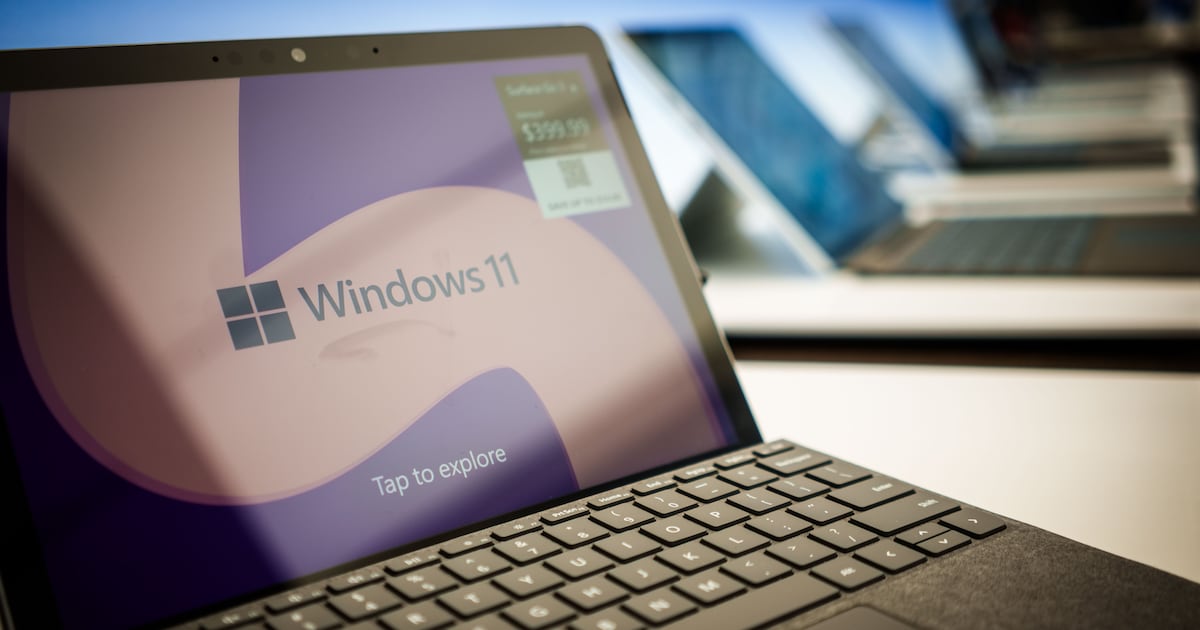
Microsoft issued an out-of-band emergency update to address a Windows 11 shutdown bug that caused unexpected system power-offs or shutdown failures for some users. The patch was deployed to affected devices to restore stability; the incident poses limited operational disruption and modest reputational risk but is unlikely to materially affect Microsoft’s revenue or broader market position, aside from short-term support and remediation costs.
Market structure: The immediate winners are endpoint-security vendors (e.g., CRWD, PANW, ZS) and managed-service providers that sell patch-management and monitoring — expect a 3–7% short-term uplift in demand as enterprises accelerate remediation over 1–3 months. Direct loser is MSFT’s consumer sentiment and OEM support costs (MSFT: -0.1 sentiment), but revenue and pricing power are unlikely to move materially unless incidents recur; expect any share weakness to be cyclical and ≤5% in the first week. Cross-asset impacts are muted: MSFT option implied volatility will spike 15–40% intraday, putting downward pressure on short-dated vol sellers; FX and commodities unaffected.
Risk assessment: Tail risks include a repeat faulty patch that causes large-scale data loss triggering regulatory probes and class actions with damages potentially in the tens to low hundreds of millions — low probability but >5% within 12 months if QA failures persist. Time horizons split: immediate days = sentiment/IV shock; weeks = potential revenue recognition or service costs; quarters = customer churn or enterprise security budget shifts. Hidden dependencies: OEM and corporate patch cadence, telemetry feedback loops, and Microsoft’s security wallet share growth could amplify second-order effects.
Trade implications: Defensive hedges and selective security longs dominate. Implement 30–45 day MSFT 5% OTM put spreads sized at 0.5–1% of portfolio to cap a 5–10% downside (max cost ~10–20 bps). Establish 1–2% longs in CRWD and PANW to capture increased EDR spend over 1–3 quarters; consider selling 30–60 day iron condors on MSFT if IV remains elevated and no systemic failure emerges. Use stop-loss thresholds: if MSFT falls >5% in 5 trading days, add 2–3% long equity position.
Contrarian angles: Consensus underestimates speed of recovery — historically Microsoft fixes restore confidence within 2–6 weeks, meaning short-term IV sellers can collect outsized premium if disciplined. The market often overprices perpetual operational risk after a single incident; selling 30–60 day calls (covered or spreads) against MSFT owned stock or buying premium decay strategies can be profitable, but cap position size given low-probability catastrophic scenarios.
AI-powered research, real-time alerts, and portfolio analytics for institutional investors.
Request DemoOverall Sentiment
neutral
Sentiment Score
-0.10
Ticker Sentiment
