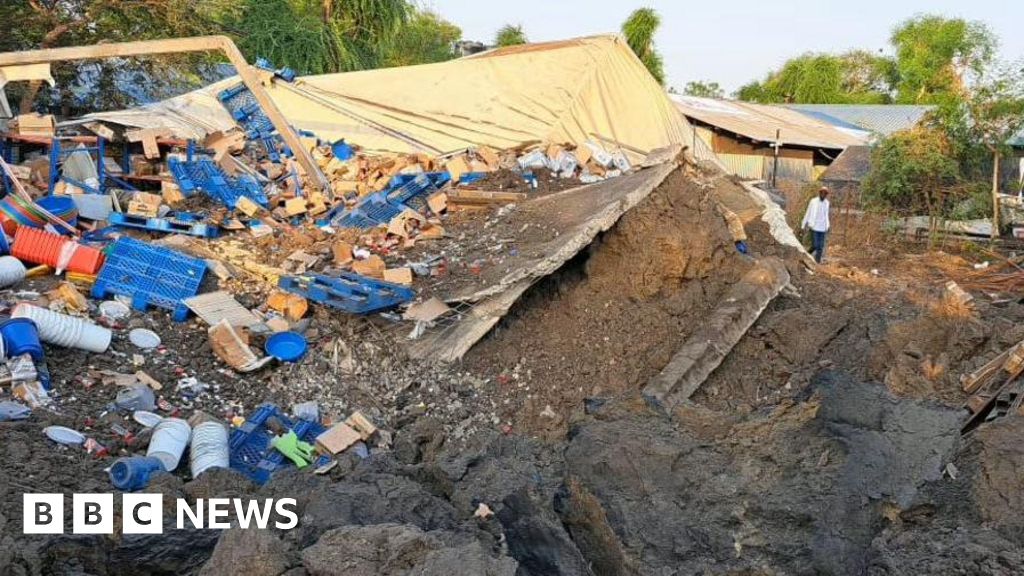
Air strikes in Jonglei state, South Sudan, reportedly hit a Doctors Without Borders (MSF) hospital in Lankien and a separate MSF facility in Pieri was looted, leaving an unknown number of aid workers missing, one staff member injured and the hospital warehouse and most medical supplies destroyed. MSF says it was the sole health provider for roughly 250,000 people in Lankien and Pieri; the UN estimates about 280,000 people have been displaced in Jonglei since December, and the strikes—attributed by MSF to government forces—underscore a renewed clash between government troops and forces loyal to suspended First Vice‑President Riek Machar, raising the risk of broader instability and constrained humanitarian access.
Market Structure: The immediate winners are hard-currency safe-havens (USD, gold GLD) and short-duration tactical oil/energy tail hedges; losers are frontier/EM risk assets (African equity ETFs like AFK, EM sovereign bond ETFs like EMB) and local services providers. Expect local FX pressure and sovereign spread widening: a localized escalation could push EM sovereign spreads +50–200 bps and lift oil spot volatility enough to move Brent/WTI +5–15% on a tail event within weeks. Cross-asset: bids into GLD and US Treasuries, put buying on EMB/EME equities, and shorting local/region currencies are most likely immediate flows.
Risk Assessment: Tail risk is a low-probability/high-impact spill into oil-producing regions (Unity/Upper Nile) or closure of export routes — that scenario (10–30% chance in 3–6 months if fighting spreads) would create commodity and regional sovereign stress. Immediate (days) effects are humanitarian and market sentiment moves; short-term (weeks–months) is credit spread widening and capital flight; long-term (quarters–years) is permanently higher country-risk premia and reduced FDI. Hidden dependencies include Chinese/Indian oil and infrastructure exposure and UN/humanitarian access restrictions; catalysts to watch are geographic spread of air strikes, suspension of oil flows, and international sanctions.
Trade Implications: Implement small, explicit hedges: buy 3-month OTM puts on EMB and EEM (1–2% portfolio risk) and a 1% notional 3-month XLE call spread as an oil-disruption tail hedge; go 1–2% long GLD as paid insurance. Reduce/trim direct frontier Africa equity weight (AFK) by 50% of current position or underweight AFK by 1–2% of portfolio immediately, redeploy to cash/short-EM exposure. Pair trades: long GLD / short AFK or long EMB-put / short AFK to capture credit repricing while keeping directional exposure limited.
Contrarian Angles: The market consensus will likely overreact to humanitarian headlines but underprice the asymmetric risk of credit contagion into nearby oil infrastructure; therefore small, inexpensive tail hedges (options) offer convex protection without large carry. Historical parallels (2013–14 South Sudan flare-ups) show localized oil shocks that created regional spread widening but limited global supply disruption — price moves were sharp and short-lived, so time-limited option structures and tight stop-loss thresholds (e.g., reduce hedges if EMB implied vol falls 30% from peak) are critical to avoid long carry costs.
AI-powered research, real-time alerts, and portfolio analytics for institutional investors.
Request DemoOverall Sentiment
moderately negative
Sentiment Score
-0.50
