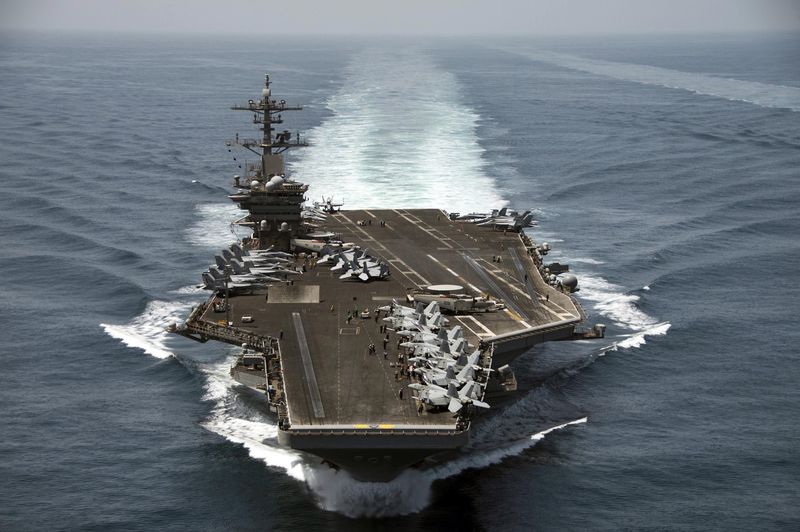
US Central Command said Operation Epic Fury involved more than 10,200 sorties and over 13,500 strikes, destroying over 85% of Iran's ballistic missile, drone and naval defense industrial base. Admiral Brad Cooper said the U.S. has eliminated more than 90% of Iran's roughly 8,000 naval mines, while Iranian threats have effectively closed the Strait of Hormuz for two and a half months, pressuring global energy prices. The report underscores continued geopolitical risk even as U.S. officials claim Iran's conventional military capability has been severely degraded.
The market’s first-order read is ‘lower geopolitical tail risk,’ but the more durable second-order effect is a re-rating of the marginal scarcity premium across energy, shipping insurance, and regional security infrastructure. If Iran’s asymmetric toolkit has been materially degraded, the path dependency shifts from a binary Strait-of-Hormuz closure risk to a slower-burn harassment regime, which still supports elevated risk premia but likely caps the panic bid in crude unless there is a visible reconstitution of launch capacity. That argues for fading extreme energy spikes rather than calling for a full normalization. The more interesting setup is that sustained interdiction of drones and missiles reduces the probability of a broad regional escalation that would have forced emergency logistics reconfiguration across Gulf trade routes. Beneficiaries are firms exposed to lower incident rates and lower defense urgency premiums; losers are names pricing in a prolonged conflict-driven disruption cycle. In the defense stack, the near-term winners are not prime contractors on incremental missile defense alone, but platforms and systems tied to persistent ISR, electronic warfare, and counter-UAS capacity, which should see budget stickiness even if headline tensions ease. For NVDA specifically, this is not a direct fundamental catalyst, but it marginally improves risk appetite and reduces the odds of an oil-led multiple compression shock hitting AI/high-duration equities. The more subtle linkage is energy availability: if regional power pressure eases, data center capex can stay focused on compute rather than contingency planning around fuel and power volatility. The contrarian point is that markets may be overpricing a quick de-escalation; a degraded adversary can still create recurring, low-grade supply shocks that keep volatility elevated for months, not days.
AI-powered research, real-time alerts, and portfolio analytics for institutional investors.
Request DemoOverall Sentiment
neutral
Sentiment Score
-0.05
Ticker Sentiment
