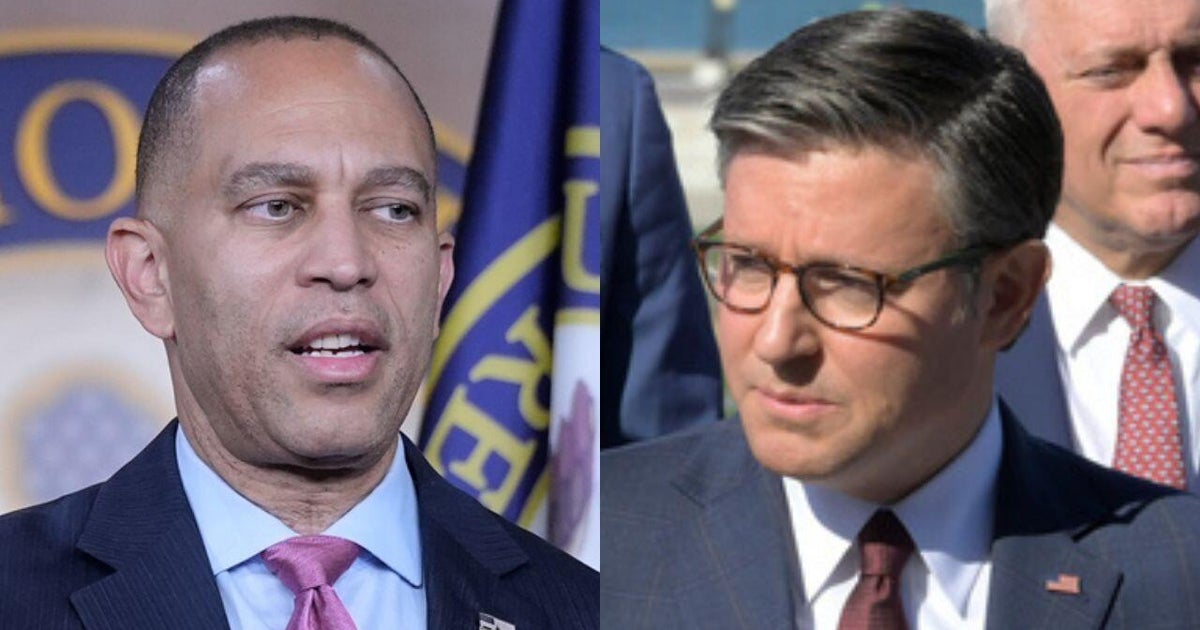
The ongoing government shutdown debate is significantly influenced by a dispute over Democratic proposals to restore Medicaid eligibility for certain non-citizens, which Republicans claim would provide "free healthcare to illegal aliens." Democrats' funding plan aims to reverse the "One Big Beautiful Bill Act," which restricted Medicaid access for approximately 1.4 million lawfully present immigrants, including parolees and refugees, to pre-2025 levels, while maintaining that undocumented individuals remain ineligible for federal benefits. This contentious point, alongside Democratic demands for extending Affordable Care Act tax credits, represents a critical barrier to resolving the funding impasse, with direct implications for federal healthcare expenditure and state-level healthcare provisions.
The current government shutdown is significantly influenced by a political and fiscal dispute over healthcare funding, centered on a Democratic proposal to reverse the 'One Big Beautiful Bill Act'. While Republican rhetoric frames this as providing 'free healthcare to illegal aliens,' the policy fact is that the proposal seeks to restore Medicaid eligibility for approximately 1.4 million lawfully present immigrants, including refugees and asylees, to pre-2025 rules. The direct fiscal impact related to undocumented immigrants is minimal, as emergency care reimbursements—the primary federal expenditure for this group—constitute less than 1% of total Medicaid spending, according to KFF analysis. The legislative impasse is compounded by Democrats' demand to extend Affordable Care Act (ACA) tax credits, a separate but linked issue with broad implications for the health insurance market. This political standoff creates significant regulatory and fiscal uncertainty for the U.S. healthcare sector, particularly for providers and insurers dependent on government-funded programs, as the outcome will directly affect patient volumes, reimbursement rates, and state-level budget pressures.
AI-powered research, real-time alerts, and portfolio analytics for institutional investors.
Overall Sentiment
neutral
Sentiment Score
0.00
