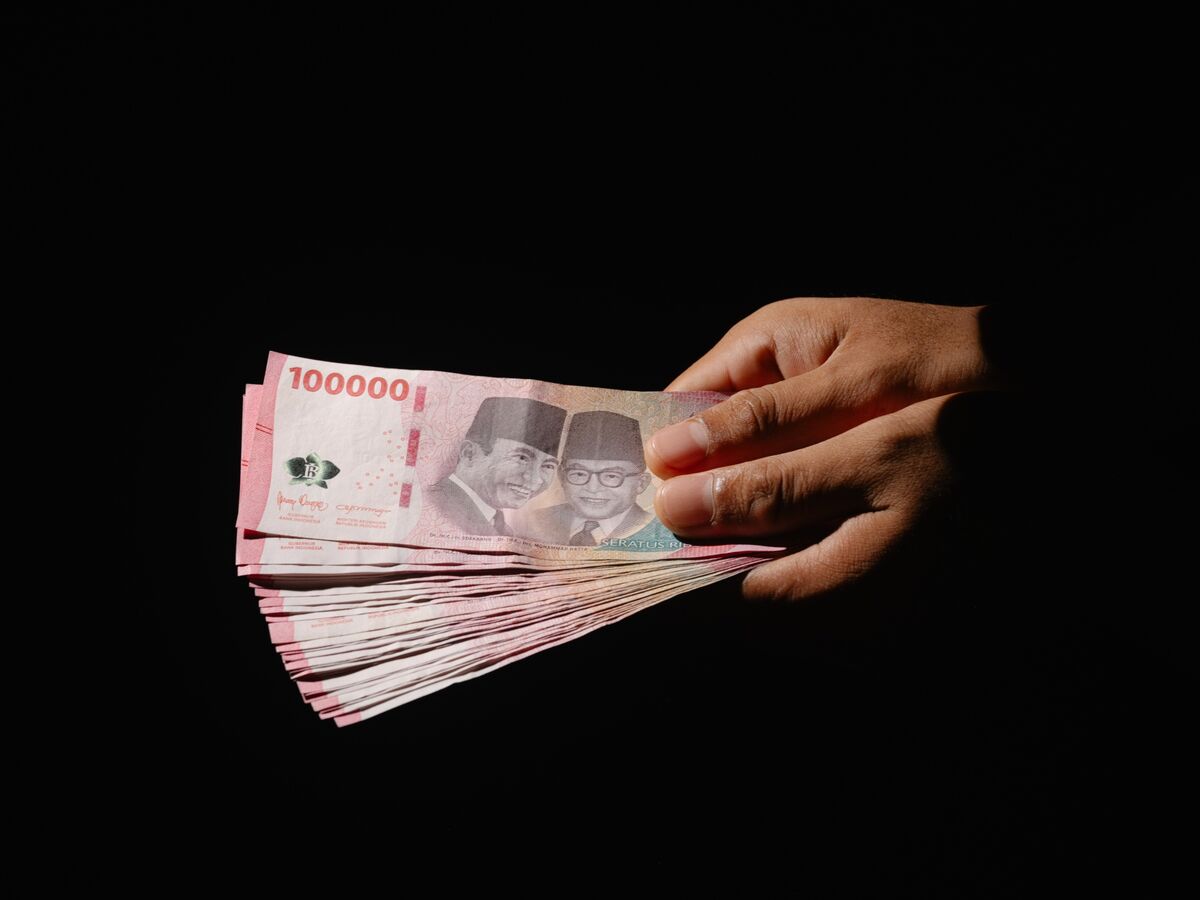
Indonesia's largest state banks, including PT Bank Rakyat Indonesia, PT Bank Mandiri, PT Bank Negara Indonesia, and PT Bank Tabungan Negara, will increase interest rates on dollar-denominated deposits to 4% per annum, effective November 5th. This adjustment, applicable across all balance tiers and tenors up to 12 months, comes as the nation faces renewed pressure on the rupiah, indicating an effort to attract dollar liquidity and potentially stabilize the currency.
Indonesia’s four largest state-owned banks—PT Bank Rakyat Indonesia, PT Bank Mandiri, PT Bank Negara Indonesia, and PT Bank Tabungan Negara—are implementing a coordinated increase in US dollar deposit rates to 4% per annum, effective November 5. This uniform rate hike, applicable across all balance tiers and tenors up to 12 months, is an explicit response to renewed depreciation pressure on the Indonesian rupiah. The move constitutes a significant defensive policy action aimed at increasing the attractiveness of holding dollars within the domestic banking system, thereby bolstering onshore FX liquidity and potentially mitigating capital outflows. The negative sentiment and defensive tone associated with this news underscore that this is a reactive measure to underlying currency weakness rather than a proactive policy shift. For the banking sector, this will increase the cost of dollar funding, which could impact net interest margins on their foreign currency loan books.
AI-powered research, real-time alerts, and portfolio analytics for institutional investors.
Request DemoOverall Sentiment
moderately negative
Sentiment Score
-0.50
