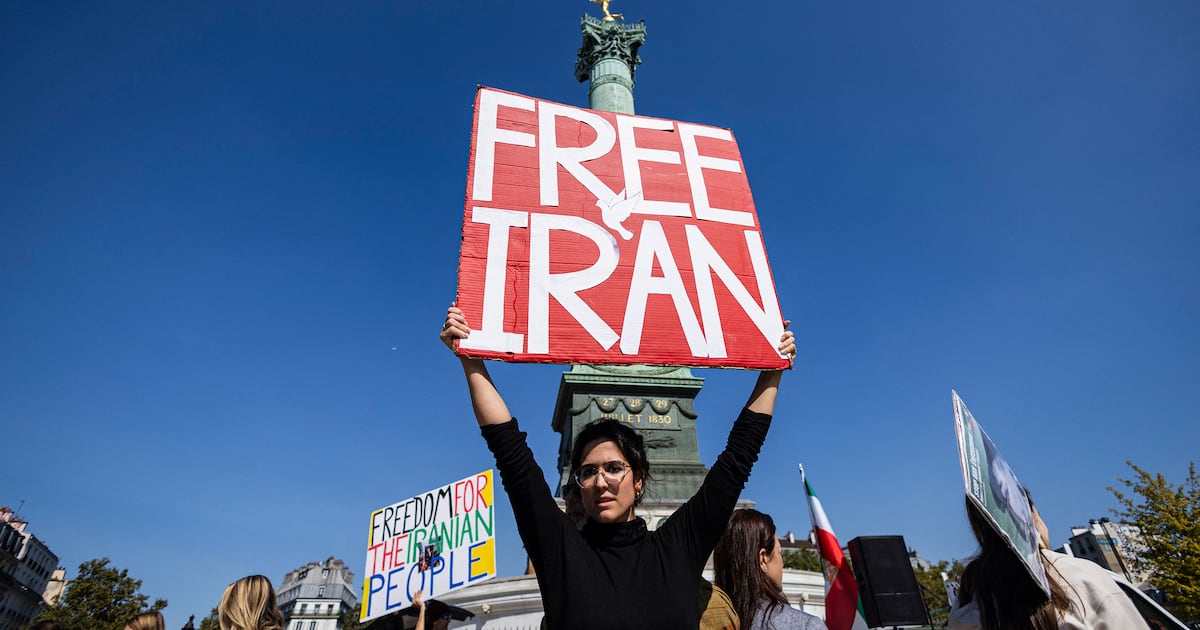
In September France, the UK and Germany invoked "snapback" sanctions to restore penalties lifted under the Iran nuclear deal after Tehran's open defiance and the UN Security Council's failure to act. Iran is described as weakened militarily and economically but exporting instability via proxies (Hezbollah, Hamas and regional militias), with documented attacks that have disrupted Red Sea shipping and raised insurance and fuel transport costs. The combination of renewed sanctions, persistent domestic unrest and proxy operations increases regional geopolitical risk and could put upward pressure on energy and trade-related risk premia, warranting close monitoring for supply disruptions and secondary-sanctions spillovers that would drive risk-off positioning.
Market structure: EU “snapback” sanctions and regional attacks raise the probability of a 0.3–0.7 mbpd effective loss of Iranian crude to global markets over the next 1–6 months, tightening the oil market and improving pricing power for US shale producers and integrated majors (XOM, CVX, BP). Shipping insurance and rerouting risks (Red Sea/Bab el‑Mandeb) should push freight rates and insurance premia meaningfully higher—expect 20–50% insurance cost spikes for high‑risk transits—benefiting owners/lessors and raising input costs for global trade. Cross‑asset, near‑term risk‑off will bid gold (GLD) and core sovereigns, but a sustained oil shock (>+$10 Brent move) would reprice inflation expectations, steepen curves and strengthen the USD vs EUR over months.
Risk assessment: Tail risks include a wider Gulf escalation (5–15% chance in 6 months) that could remove several mbpd of supply and drive Brent >$120, or a closure of Bab el‑Mandeb disrupting ~10% of global container flows. Immediate (days) moves: volatility spikes and flight to quality; short term (weeks/months): oil and insurance premia rise; long term (quarters): fiscal/defense spending reallocations and supply adjustments. Hidden deps: opaque tanker re‑flagging, clandestine Iranian sales, and reinsurer capacity limits; catalysts are OPEC+ reactions, US naval deployments, and EU policy moves.
Trade implications: Favor energy producers and defense contractors while underweighting exposed transport and EM balance‑sheet names. Use volatility trades (3‑month Brent call spreads) rather than outright longs to cap downside; shorten bond duration and add TIPS if oil shocks persist. Entry: act quickly on energy/defense allocations (days–weeks); wait for shipping‑rate confirmation (2–6 weeks) before larger convoys/owners positions.
Contrarian: Consensus prices-in perpetual disruption; history (2019 tanker attacks, 2021 supply shocks) shows spikes often mean‑revert as markets reroute and demand adjusts. Insurance/freight premia may be overbaked—consider selective short exposure to freight‑rate beneficiaries if rates normalize in 3–6 months. Monitor AIS tanker flows, Brent term structure (contango/backwardation), and Lloyd’s/IAIS premium notices for early reversal signals.
AI-powered research, real-time alerts, and portfolio analytics for institutional investors.
Request DemoOverall Sentiment
strongly negative
Sentiment Score
-0.65
