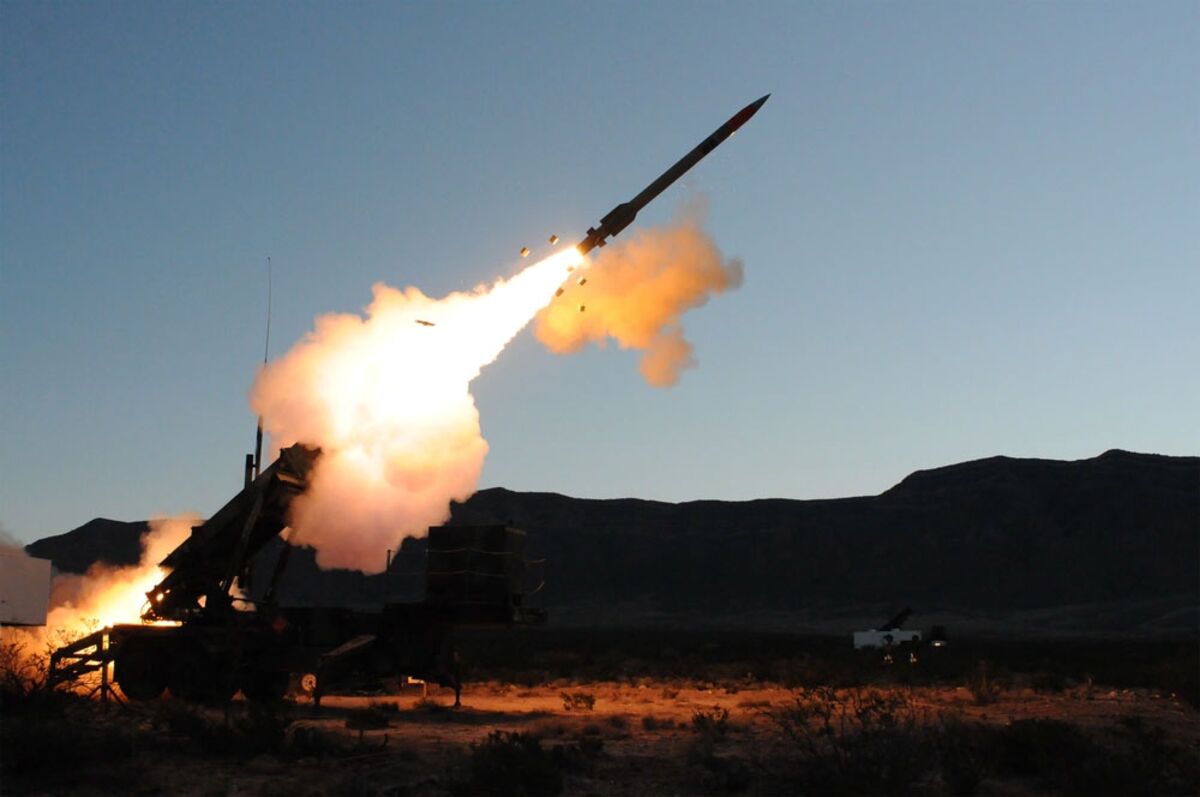
2,400 interceptors have been consumed defending against some of the heaviest Iranian ballistic missile attacks, a level approaching those countries' known prewar stockpiles. Iran has launched nearly 1,200 ballistic missiles and 4,000 Shahed cruise missiles at Gulf countries since Feb. 28, according to official reports. Sustained strikes increase pressure on the US to bolster Gulf defenses, elevate regional risk premia, and pose upside risk to oil prices and demand for defense-related equipment.
Surface-level read is about missile saturation; the economically relevant knock-on is resource substitution and duration of elevated risk premia. High air-defense burn rates force buyers to choose between expensive on-hand interceptors, accelerated procurement of missiles/sensors (multi-quarter manufacturing lead times) or cheaper asymmetric mitigations (EW, decoys, sea-mobility) — that drives near-term revenue to prime contractors and medium-term margins to specialized subsystem suppliers with fast capacity.
Logistics and energy flows are shifting from an operational to a structural cost shock: route diversion, higher voyage times, and stepped-up hull/crew insurance convert spare tanker/containership capacity into a scarce, high-margin asset for weeks to months. That tightness translates into prompt crude and refined product backwardation and higher short-dated tanker TC rates, while also compressing refinery throughput flexibility in Europe and Asia for as long as elevated risk persists.
Two second-order winners are: (1) suppliers of modular, fast-build defense hardware and munitions-manufacturing capacity (near-term margin capture), and (2) owners/operators of long-duration maritime assets who can re-price time-charters; losers are airlines/cruise operators with Middle East exposure and just-in-time supply chains trading through the region. Key reversals: expedited diplomatic de-escalation, a successful low-cost electronic mitigation deployed at scale, or a surprise inventory replenishment program from allied stockpiles would flatten the premium within 30–90 days and unwind many of these trades.
AI-powered research, real-time alerts, and portfolio analytics for institutional investors.
Overall Sentiment
strongly negative
Sentiment Score
-0.75
