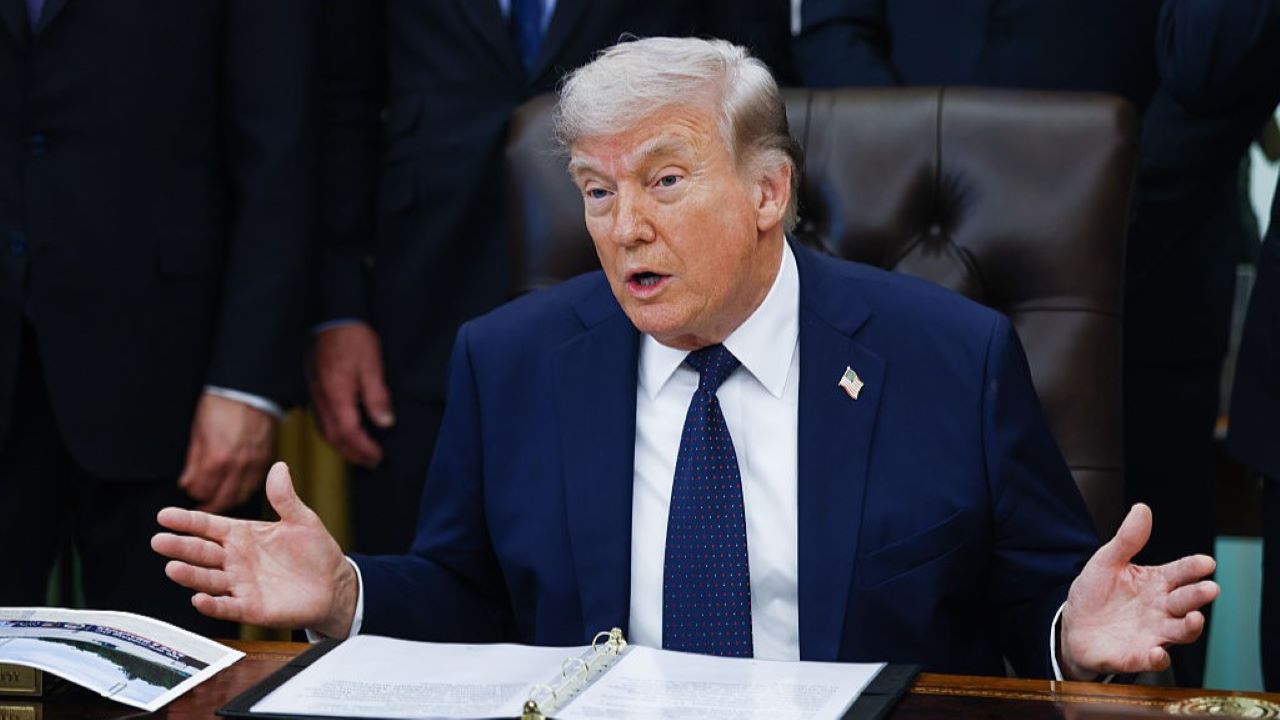
Iran reportedly offered to reopen the Strait of Hormuz only if the U.S. ends its blockade on Iranian ports and delays nuclear talks, while Trump has canceled planned U.S. peace talks. The Strait of Hormuz is a critical global energy chokepoint, so the escalation and uncertainty are likely to keep oil and gas markets volatile and add risk premia across the region. Additional tensions include Israeli strikes on Hezbollah targets and Iran's internal political turmoil ahead of any future negotiations.
The market implication is not just higher oil; it is a repricing of reliability across the entire Gulf logistics stack. Even a temporary disruption in Hormuz widens the probability distribution for crude, refined products, LNG, and regional shipping rates, which should lift volatility more than spot prices in the near term. The more immediate second-order effect is margin compression for energy-intensive sectors that cannot pass through costs quickly: chemicals, airlines, trucking, and select industrials with Gulf exposure. The political bargaining dynamic creates a binary path dependency. If the blockade narrative softens, crude can mean-revert quickly, but the more important issue is that the episode likely hardens risk premiums for weeks because insurers, charterers, and commodity traders will not wait for a formal settlement before re-pricing transit risk. That means the best trades are likely in volatility and relative value rather than simple directional oil beta. A key contrarian point is that the move may be underpricing supply-chain fragility outside oil. Gulf rerouting stress can tighten delivered product markets in Europe and Asia even if headline crude supply remains intact, benefiting refiners and owners of non-Middle East barrels. Conversely, the broader geopolitical signal could slow capital spending in emerging-market infrastructure and defense procurement cycles could accelerate if the standoff persists into quarter-end. The tail risk is a rapid diplomatic off-ramp that collapses crude and tanker vol before positioning can build, so timing matters. The highest-conviction window is the next 1-3 weeks, when headlines can still move physical premia and the market has the least clarity on whether this is theater or escalation.
AI-powered research, real-time alerts, and portfolio analytics for institutional investors.
Overall Sentiment
strongly negative
Sentiment Score
-0.68
