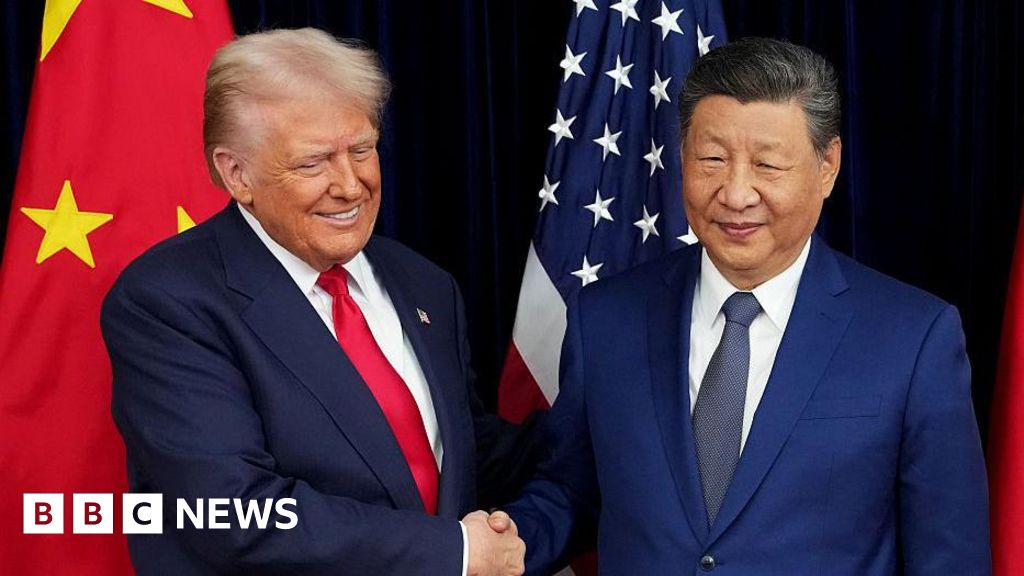
Trump and Xi are set to meet in China from May 13-15 amid an unresolved US-China trade truce and lingering tariff disputes that previously pushed duties above 100%. The agenda includes tariffs, reciprocal trade restrictions, rare earth export controls, and Chinese purchases of US soybeans and aircraft parts, while recent US court rulings have cast doubt on Trump's latest global tariffs. The meeting also comes against the backdrop of the Iran war, adding another geopolitical risk factor for markets.
The near-term setup is less about a headline “deal” and more about volatility compression in sectors that are hostage to tariff headlines. The market should treat BA, C, and QCOM as asymmetric event names: any tangible de-escalation on agriculture, aircraft parts, or tech export restrictions likely triggers a fast multiple rerating because positioning has become reflexively defensive around every escalation pulse. The cleaner signal is not the meeting itself but whether either side extends the truce into operational carve-outs; that would matter more for earnings than the rhetoric.
Second-order effects are more important than the bilateral tariff rate. China’s ability to reroute exports and deepen non-U.S. demand means U.S. industrials and consumer names tied to China import substitution may not see the immediate relief investors expect; instead, the biggest impact may be on freight, inventory cycles, and component sourcing as firms rebuild optionality. For NVDA, the key risk is not a dramatic headline ban but a slow bleed of addressable market share as China accelerates domestic chip substitution; even small export-control adjustments can swing revenue timing by quarters, not days.
The contrarian miss is that both sides now have credible reasons to maintain the truce while extracting concessions elsewhere, which lowers the odds of an outright tariff spike but raises the odds of repeated, smaller policy shocks. That favors options structures over outright directionality. BA looks the cleanest tactical beneficiary if the meeting produces even a modest purchase commitment, while NVDA remains the best relative short on policy overhang because upside from any détente is capped by structural China localization.
Iran matters because it can turn trade talks into a broader bargaining package: if energy security becomes part of the framework, China may trade symbolic purchases for real supply-chain concessions. That creates a near-term headline risk for commodity-sensitive sectors but also a longer-duration tailwind for firms with non-China manufacturing footprints and flexible sourcing. Expect the first 1-2 weeks to be headline-driven; the real earnings revisions would show up over the next 1-2 quarters if export controls or tariff carve-outs actually shift procurement behavior.
AI-powered research, real-time alerts, and portfolio analytics for institutional investors.
Request DemoOverall Sentiment
mildly negative
Sentiment Score
-0.15
Ticker Sentiment
