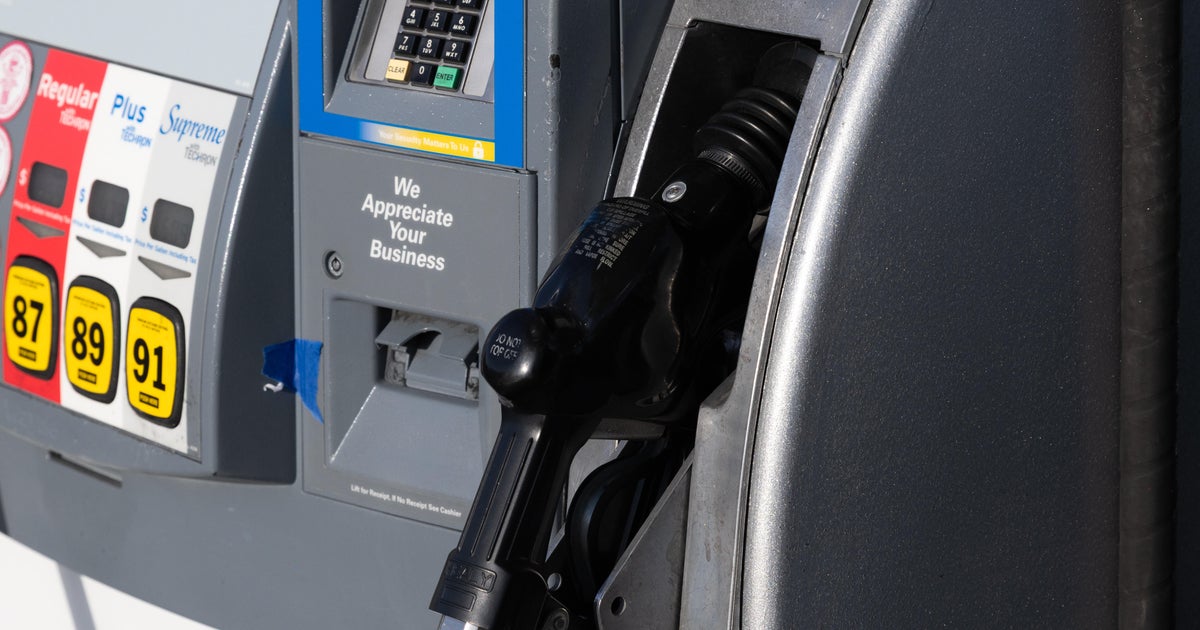
U.S.-Israeli attacks on Iran and concerns the conflict will elongate have driven a short-term spike in fuel costs and rattled markets: AAA reports Minnesota gas rose 16¢ in one day to $2.99 (from $2.83) and the national average hit $3.11, the first time above $3 since December. Economists warn longer conflict would further pressure oil prices despite U.S. production cushioning some shocks, while equities sold off sharply—Dow down ~1,110 points (-2.2%) and the S&P 500 and Nasdaq each off ~1.9%—reflecting risk-off positioning tied to geopolitical-driven energy price risk.
Market structure: Immediate winners are upstream E&P and integrated majors (XOM, CVX, COP) and oilfield services (SLB, HAL) which gain pricing power if crude rises >15% in 1-4 weeks; losers include airlines (DAL, UAL, AAL), mass-retail cyclicals (XLY) and consumer discretionary exposed to fuel costs. Refiners (VLO, PSX) are mixed — they gain if crack spreads widen but lose if feedstock logistics or mandated throughput cuts occur. Cross-asset: expect commodity (WTI/Brent) and precious metals (GLD/GDX) to rally, short-term flight to safety bid in Treasuries (TLT) and USD strength; realized volatility (VIX/OVX) should spike 30–80% near-term.
Risk assessment: Tail scenarios include Strait of Hormuz disruptions or broad sanctions that could push Brent/WTI >$120 (low prob, high impact) or rapid diplomatic de-escalation that erases the premium in 2–6 weeks. Immediate (days) risk is price/volatility spikes; short-term (weeks–months) risk is inflation forcing central-bank tightening; long-term (quarters) depends on capex response by US shale. Hidden dependencies: SPR releases, OPEC spare capacity, refinery utilization, and freight-insurance dynamics can mute or amplify price moves. Key catalysts: visible military escalation, major shipping incident, SPR/OPEC communications within 7–21 days.
Trade implications: Tactical: establish 2–3% long in XOM or XLE for 3–6 months if WTI > $85 and take profits if spot rallies 25% or XOM rises 20%; hedge with a 0.5–1% position in GLD. Pair trade: long XLE (2%) / short XLY (1.5%) to express commodity-led rotation. Options: buy 3‑month call spreads on XOM/CVX—buy ATM/+5–10% call, sell +25–30% call—to cap cost; buy short-dated OVX or VIX calls (0.5% allocation) if implied vol spikes >+30% intraday.
Contrarian angles: The market underestimates US shale elasticity — a sustained WTI rise >$90 for 3+ months is required to materially change global supply; therefore energy equities may underperform spot initially. The panic move may be overdone if SPR/OPEC coordination or Chinese demand softness appears; refiners could be the overlooked winners if crack spreads widen despite rising crude. Unintended consequence: higher pump prices (>10% state-level jump) can compress discretionary margins and trigger durable changes in consumer behavior, so stagger exposures and size in tranches.
AI-powered research, real-time alerts, and portfolio analytics for institutional investors.
Request TrialOverall Sentiment
moderately negative
Sentiment Score
-0.50
