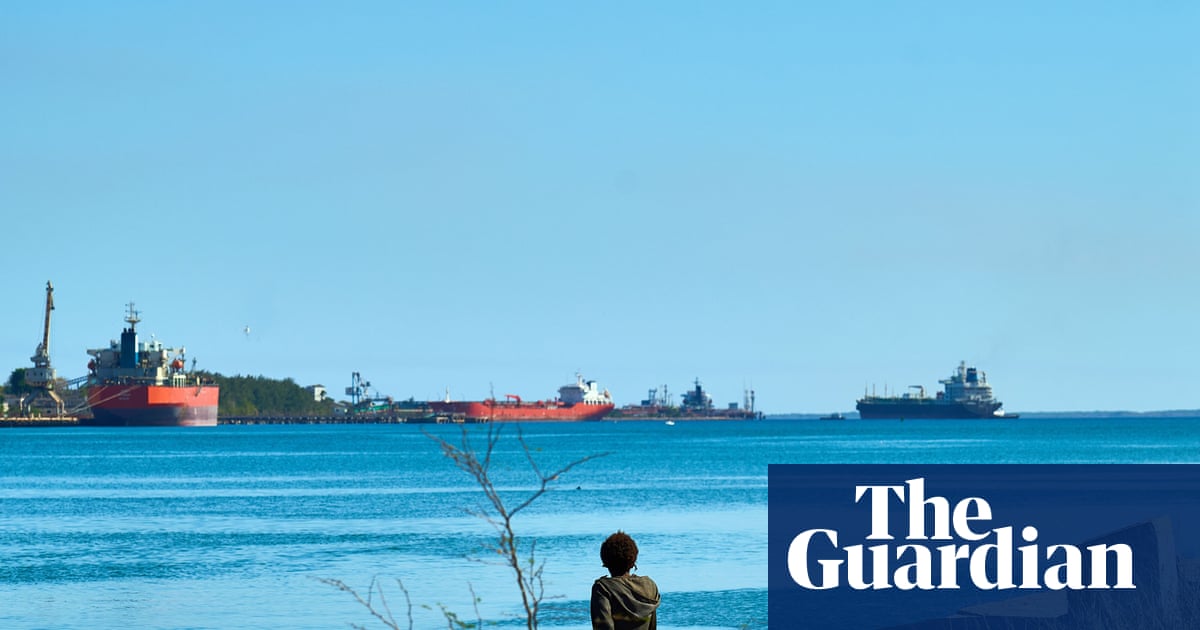
A Russia-flagged tanker, Anatoly Kolodkin, carrying roughly 650,000–730,000 barrels of Urals crude entered Cuba’s exclusive economic zone and may unload at Matanzas, potentially Cuba’s first oil import in over two months. The shipment could materially ease Cuba’s fuel rationing and power outages but comes amid US efforts to block oil to Havana and a reported temporary US waiver on Russia-linked sanctions intended to ease oil flows. The circumstances and policy rationale for allowing the shipment remain unclear, creating geopolitical and sanction-related uncertainty for regional energy flows.
The immediate market lever is freight and counterparty optionality: when politically-sensitive barrels transact through ad-hoc exemptions, owners of large crude carriers capture outsized dayrate and TCE (time charter equivalent) upside because cargoes that would have been split across shorter-haul trades get lumped into long-haul voyages. A sustained uptick in Atlantic basin long-haul flows would plausibly lift dirty tanker earnings 20–50% over a 1–3 month window and compress available tonnage, creating a positive feedback into spot rates and secondhand values.
Key risks are policy reversals and insurance-market withdrawal, which operate on different cadences — interdiction or re-sanction can crystallize within days and wipe out near-term freight premia, while insurer/P&I de-risking plays out over weeks-to-months and raises operational costs. The path-dependency is high: a single enforcement action causes immediate volatility, whereas a pattern of tolerated flows increases the expected present value of future charter revenues and supports equity multiples for owners.
Consensus treats such shipments as one-off humanitarian or political relief; the less-appreciated outcome is that even sporadic tolerance changes the mechanics of arbitrage between Eastern grades and Atlantic demand centers. That raises option value in the tanker complex and creates a convex trade: capture outsized upside if flows continue but pay a modest premium to guard against binary sanction enforcement. For commodity markets, the net effect on global crude balances is marginal, so crude price directional exposure is a weaker source of alpha than freight/insurance-arb strategies in the near term.
AI-powered research, real-time alerts, and portfolio analytics for institutional investors.
Request DemoOverall Sentiment
neutral
Sentiment Score
0.00
Ticker Sentiment
