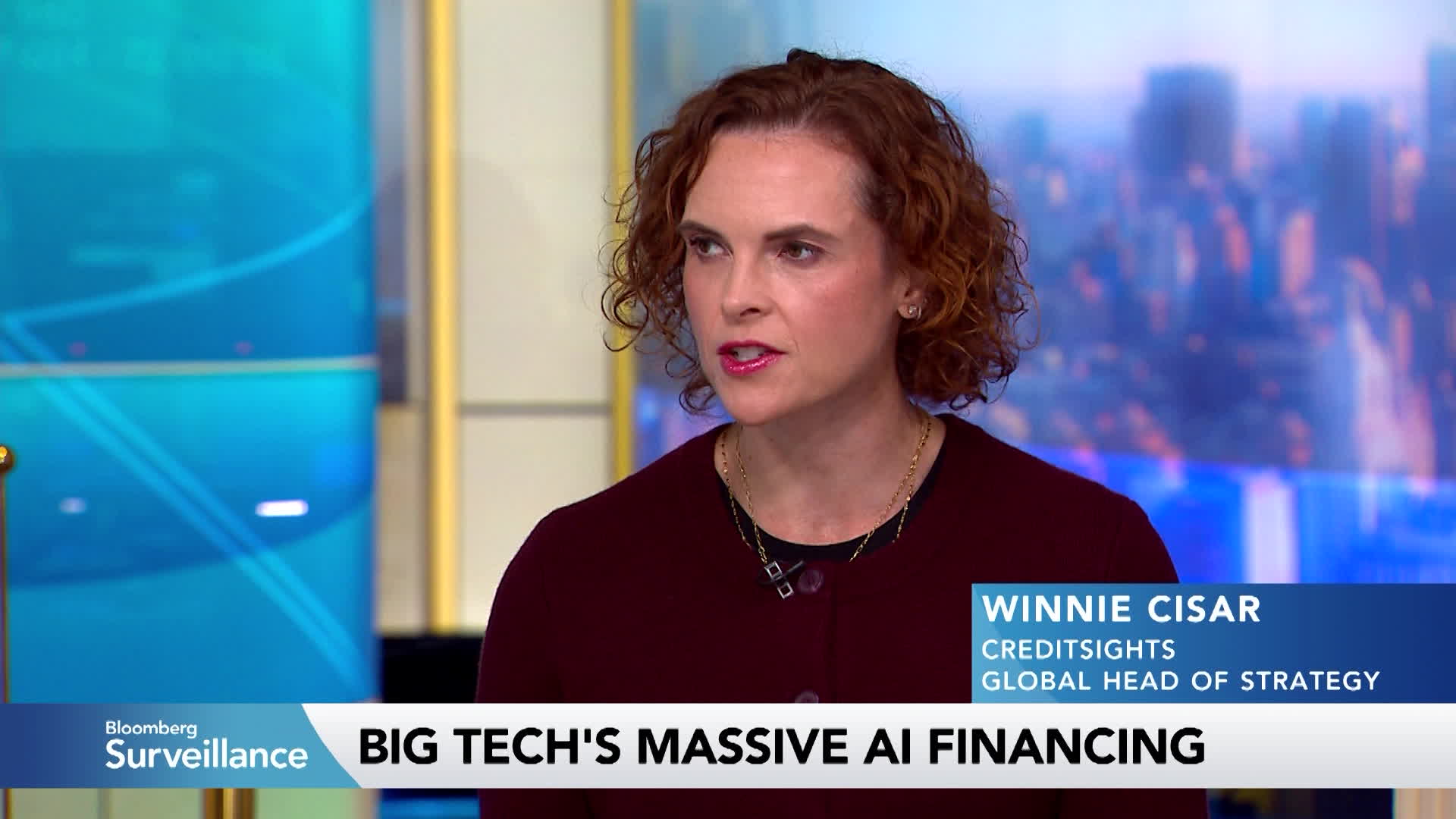
Widening CDS spreads and an anticipated surge in new-issue supply are prompting investors to be pickier in the primary market, raising concerns about higher cost of capital and potential credit weakening. The investment-grade market faces a heavy term structure with roughly $1 trillion a year of maturities over the next few years, creating a technical overhang while private-credit and leveraged-loan maturities peak later (circa 2028); the ultimate market direction will hinge on Fed policy and whether cuts are gradual (supporting risk assets) or driven by deteriorating fundamentals (benefiting long-duration Treasuries).
Market structure: The immediate winners are long-duration sovereign bonds and managers of high-quality liquid assets (flight-to-safety) while marginal IG issuers, data‑center/build‑out contractors and project‑finance borrowers face the most pressure as ~$1tn/year of IG maturities and fresh capex-driven supply hit the market over the next 1–3 years. Oracle’s CDS widening is an early warning of idiosyncratic tech/infrastructure stress that can propagate to securitized and covenant‑light private credit despite IG ratings.
Risk assessment: Tail risks include a rapid 100–300bp widening in corporate spreads if new‑issue supply outstrips demand or if labor‑led growth shock forces abrupt Fed easing (which paradoxically benefits duration but squeezes credit). Time horizons: immediate (days) for volatility spikes in CDS/ETFs, short (3–9 months) for primary market repricing and 12–36 months for ratings momentum and maturity walls to materialize; hidden risks include CDS/cash basis mispricing and opaque private‑securitized leverage.
Trade implications: Tactical defensive positioning—long Treasuries/TLT as asymmetric hedge; tactical short/hedge of IG cash and primary exposure (LQD or IG CDS) and targeted short exposure to data‑center REITs (DLR, EQIX) and contractors tied to capex buildout. Use options to buy asymmetry (OTM puts or put spreads on ORCL, DLR) and size initial positions small (1–4% notional) with clear add thresholds tied to CDS/spread moves.
Contrarian angle: Consensus underestimates risk in rated securitized private debt and the technical shock from simultaneous heavy IG maturities and project finance supply — pricing may be underpricing 100–200bp of realized spread risk. The market could stay complacent if yield‑hunters persist, so prefer staged entries with volatility‑sensitive option structures rather than large directional cash shorts.
AI-powered research, real-time alerts, and portfolio analytics for institutional investors.
Request DemoOverall Sentiment
moderately negative
Sentiment Score
-0.35
Ticker Sentiment
