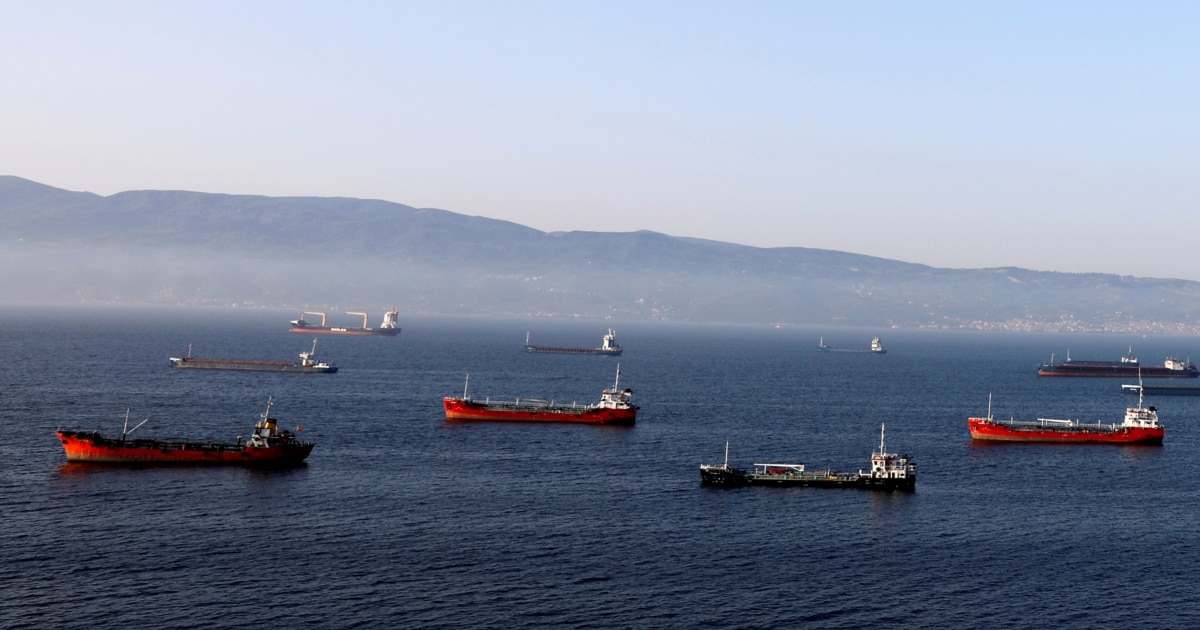
The EU ban on imports of products refined from Russian crude, effective Jan. 21, is reshaping flows and cutting Russian export revenues; Turkish refiner Tupras cut Russian crude imports by 69% in the month before the sanction while the Panamanian tanker Bela 6 delivered nearly 100,000 tons on Jan. 6. India’s Russian crude imports fell 29% in December 2025 while Chinese seaborne imports from Russia spiked 23%, with Chinese independent “teapot” refineries likely to pick up discounted barrels. Analysts warn of loopholes and re-exports via exempt countries and alternative ports, creating enforcement risk and further volatility in regional fuel markets and trade routes.
Market structure: The EU refined-products ban will reallocate barrels away from India/Turkey toward China/terminals and to storage owners, boosting tanker tonne-mile demand and spot freight volatility for 1–6 months. Winners are owners of VLCC/AFRA capacity, short-haul product tankers, storage terminals and discount-seeking teapot refiners; losers are EU-facing refiners (and export-dependent refiners in Turkey/India) facing margin compression and higher compliance costs. Expect Urals discounts to Brent to widen episodically by $5–$15/bbl and regional diesel/jet cracks to spike in Europe by 10–30% in the near term as arbitrage routes shift.
Risk assessment: Tail risks include rapid EU enforcement closing current loopholes (high impact: sudden rerouting + spike in freight), secondary US sanctions on Chinese terminals or teapots (probability medium), and geopolitical flare-ups (Iran/Venezuela) that reverse flows. Timeline: immediate (days) — heightened volatility around Jan 21 enforcement; short-term (weeks–months) — freight and crack spread dislocations; long-term (2026) — structural oversupply risks that could erase gains. Hidden dependencies: insurance/finance access for sanctioned trades, port inspection regimes, and the US dollar clearing nexus that can strangle counterparties even when crude flows continue.
Trade implications: Favor long exposure to tanker equity/freight (VLCC/AFRA) and selected refiners that can take discounted crude; hedge with short positions in EU/Turkish export-oriented refiners. Use options to buy convexity around enforcement dates (short-dated Brent call spreads) and size positions to 1–3% portfolio each with stop-losses tied to freight indices or crack spreads. Rotate into storage owners and physical contango plays if discounts deepen (> $10/bbl) and exit as 2026 oversupply signals reassert.
Contrarian angles: Consensus underestimates resilience of teapots and the role of secondary ports — Russia’s revenue loss may be larger than price moves imply but physical barrels likely find buyers at deep discounts, capping crude upside. The market may overpay for tanker exposure if 2026 global glut materializes; a profitable contrarian is to take short-dated freight convexity profits then reduce exposure into Q3 2026. Historical parallel: 2012 Iranian sanctions — flows rerouted, discounts widened, but long-term price relief was limited once alternative outlets adjusted.
AI-powered research, real-time alerts, and portfolio analytics for institutional investors.
Request DemoOverall Sentiment
moderately negative
Sentiment Score
-0.35
