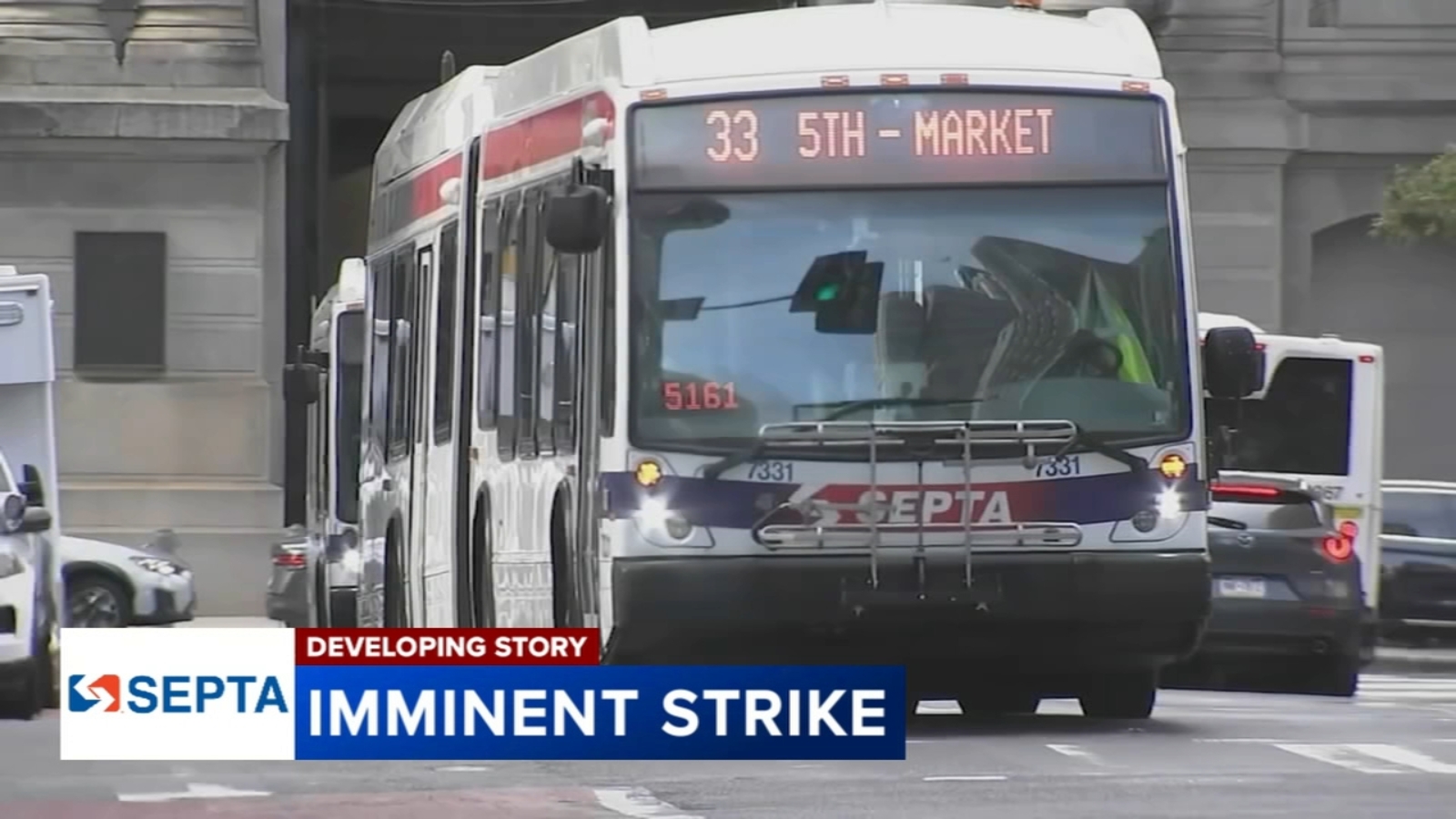
Transport Workers Union Local 234, representing more than 5,000 SEPTA bus, trolley and subway operators, has announced an imminent strike after working without a contract since Nov. 7 with negotiations that began in October. The union is seeking modest raises, pension increases, changes to working conditions and health care improvements; a strike would shut down bus and trolley service and all service on the Market–Frankford and Broad Street lines (Regional Rail is not part of the talks). SEPTA says talks have been short and unproductive but believes a deal is possible; a settlement with Local 234 could set the tone for negotiations with the agency's other unions and materially disrupt city mobility and commuter activity in Philadelphia.
Market-structure: A SEPTA strike (5,000+ operators) instantly re-routes hundreds of thousands of daily trips to ride-hailing, taxis, parking and autos; short-term winners: UBER, LYFT, parking operators and local gas stations (volume bump ~5-10% in impacted corridors for days). Losers: downtown retail, office foot traffic and small businesses dependent on transit; SEPTA operating revenue and any short-term cash flow lines are at risk.
Competitive dynamics: Ride-hailing gains pricing power and share during a multi-day outage (surge pricing can lift take-rate 3–8% locally) and some commuters may permanently reallocate modes (2–3% persistent shift plausible if strike >1 week). Transit labor settlements could lift labor cost baselines across US transit agencies, pressuring municipal budgets and tightening future capex.
Risk assessment: Tail risks include a protracted strike >2 weeks causing a 10–30bp widening in PA muni spreads, emergency state intervention or mandated back-to-work orders changing bargaining leverage. Hidden dependencies: food-delivery volumes, employer remote-work responses, and downtown parking utilization exacerbate secondary effects. Key catalysts: strike start, 48–72h duration threshold, and national union reinforcements.
Trade implications: Near-term event trade favors short-dated ride-hailing optionality and shortening municipal duration; if strike persists >72h, delta increases and local credit sensitivity rises. Exit/scale rules should be time- and threshold-driven (see decisions).
AI-powered research, real-time alerts, and portfolio analytics for institutional investors.
Request DemoOverall Sentiment
moderately negative
Sentiment Score
-0.42
