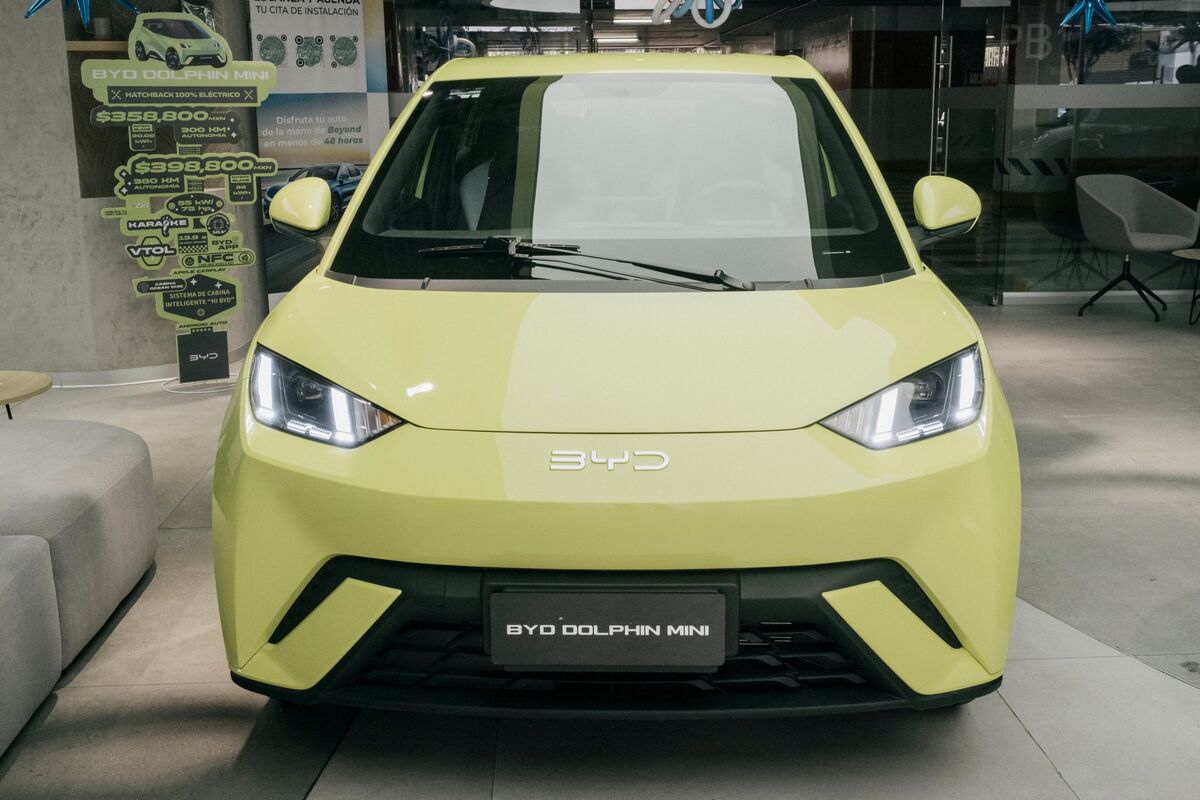
Mexico's proposed tariffs of up to 50% on Chinese-made vehicles are unlikely to significantly deter Chinese automakers due to their substantial inherent production cost advantages. For instance, BYD's Dolphin Mini sells for approximately $21,500 in Mexico, significantly undercutting legacy brands like GM's Equinox, which starts at over $47,000. This pricing disparity suggests Chinese manufacturers can absorb the tariffs while maintaining competitive pricing, thus preserving their market position.
Mexico's proposed tariffs of up to 50% on Chinese vehicles are unlikely to neutralize the significant competitive advantage held by Chinese automakers due to their inherently lower production costs. The pricing disparity is substantial; for example, BYD's imported Dolphin Mini is priced at approximately $21,500 in Mexico, whereas the least expensive electric vehicle from a legacy competitor, General Motors' Equinox, starts at over double that price at roughly $47,150 (based on peso conversion). This wide margin suggests Chinese manufacturers like BYD can absorb the full impact of a 50% tariff and still offer their vehicles at a considerable discount to incumbent brands. This situation highlights a structural challenge for legacy automakers such as GM, indicating that protectionist trade policies may be insufficient to level the competitive landscape in markets where Chinese EVs have a profound underlying cost advantage.
AI-powered research, real-time alerts, and portfolio analytics for institutional investors.
Request DemoOverall Sentiment
mildly positive
Sentiment Score
0.30
Ticker Sentiment
