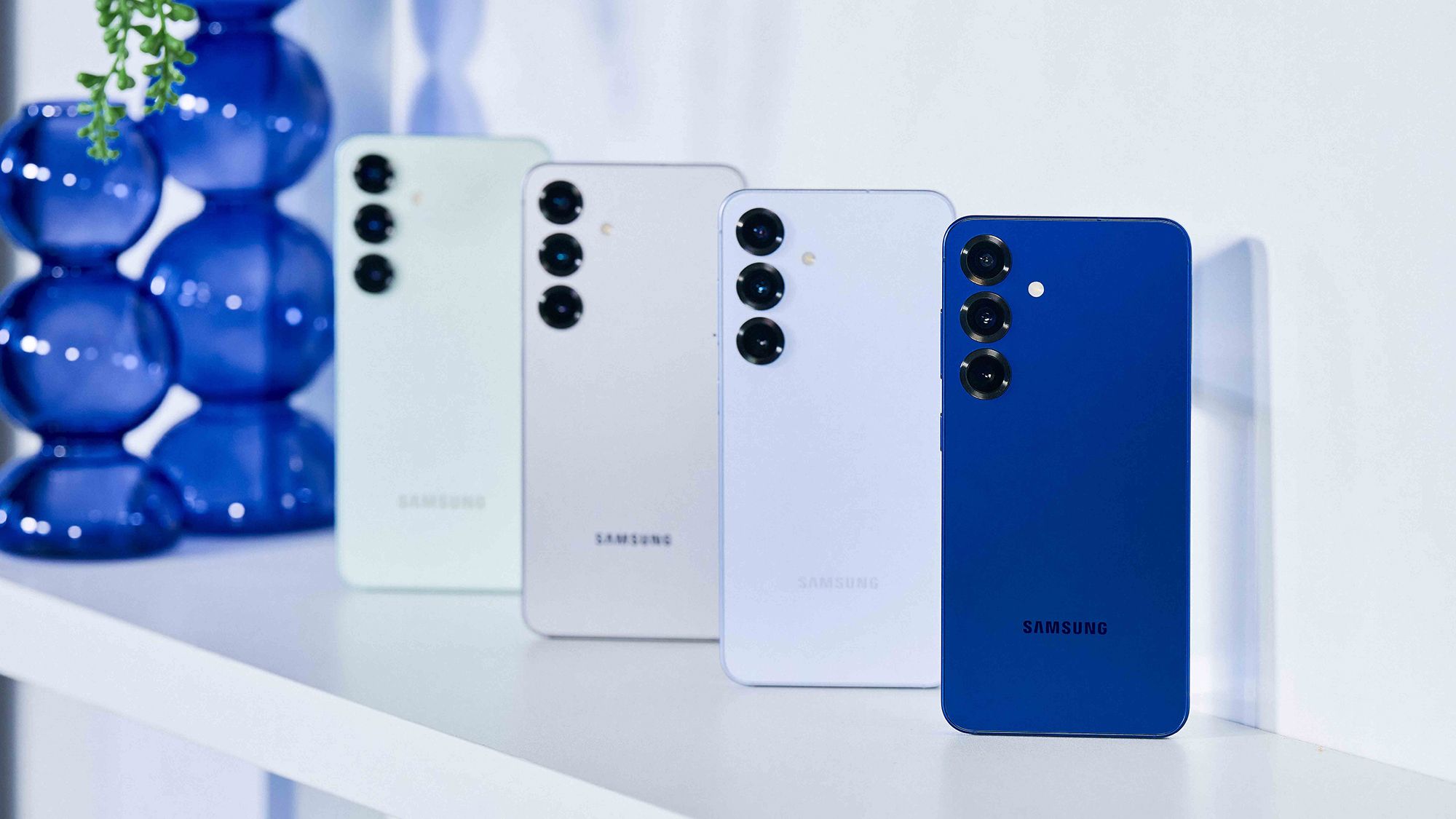
Leaked photos and videos of non-functioning dummy units purportedly show Samsung's Galaxy S26 and S26 Ultra design changes — notably a single rear camera island and rounded Ultra corners — with the S26 Plus expected to join the lineup and no S25 Edge successor due to weak prior sales. The launch is likely in early 2026 (around February), and tips suggest higher retail prices driven by rising component and manufacturing costs, a dynamic that could boost per-unit revenue but risks dampening consumer demand.
Market structure: The leak and rumored price hikes push value to upstream component makers (image sensors, glass, memory, lens makers) who can pass through rising costs; expect supplier ASP/margin upside of roughly 5–15% in the first two quarters post-launch if Samsung increases retail pricing by 5–10%. Downstream losers are volume-sensitive OEMs/retailers and mid-tier Android brands if higher flagship pricing compresses upgrade cycles; market-share shifts will be incremental (1–3ppt) but margin-sensitive.
Risk assessment: Tail risks include a demand shock (consumer elasticity causing >10% unit decline), supply-chain disruption (Taiwan/China fabs), or regulatory restrictions on component exports; any of these would materially reverse supplier gains. Immediate horizon (days–weeks): pre-launch volatility around leaks; short-term (1–3 months): ASP commentary and order guide; long-term (2–4 quarters): realized volume vs. ASP determines earnings. Hidden dependencies: inventory at carriers/retail and trade-in/refurb channels can mute ASP lift if trade-in subsidies reappear.
Trade implications: Favor long positions in high-structure suppliers (SONY, GLW, LRCX/TSM for process demand, MU/000660.KS for memory) and underweight consumer discretionary exposure (XLY, BBY) into Feb–Mar 2026; use call spreads to limit premium risk around the launch. Pair trades: long sensors/glass suppliers and short mid-tier OEMs (e.g., 1810.HK XIAOMI) to capture margin dispersion. Key catalysts: official Feb 2026 launch, suppliers’ February–April quarterly guidance, and component price indices.
Contrarian angles: The consensus assumes price hikes kill volumes; historical parallels (2017–18 smartphone ASP upcycles) show revenue can rise with flat units if trade-in/refurb markets are constrained. Unintended consequence: accelerated growth for refurbishers and aftermarket accessory makers (potential short-term winners) which could be overlooked if focus stays only on OEM sell-through.
AI-powered research, real-time alerts, and portfolio analytics for institutional investors.
Request DemoOverall Sentiment
neutral
Sentiment Score
0.00
