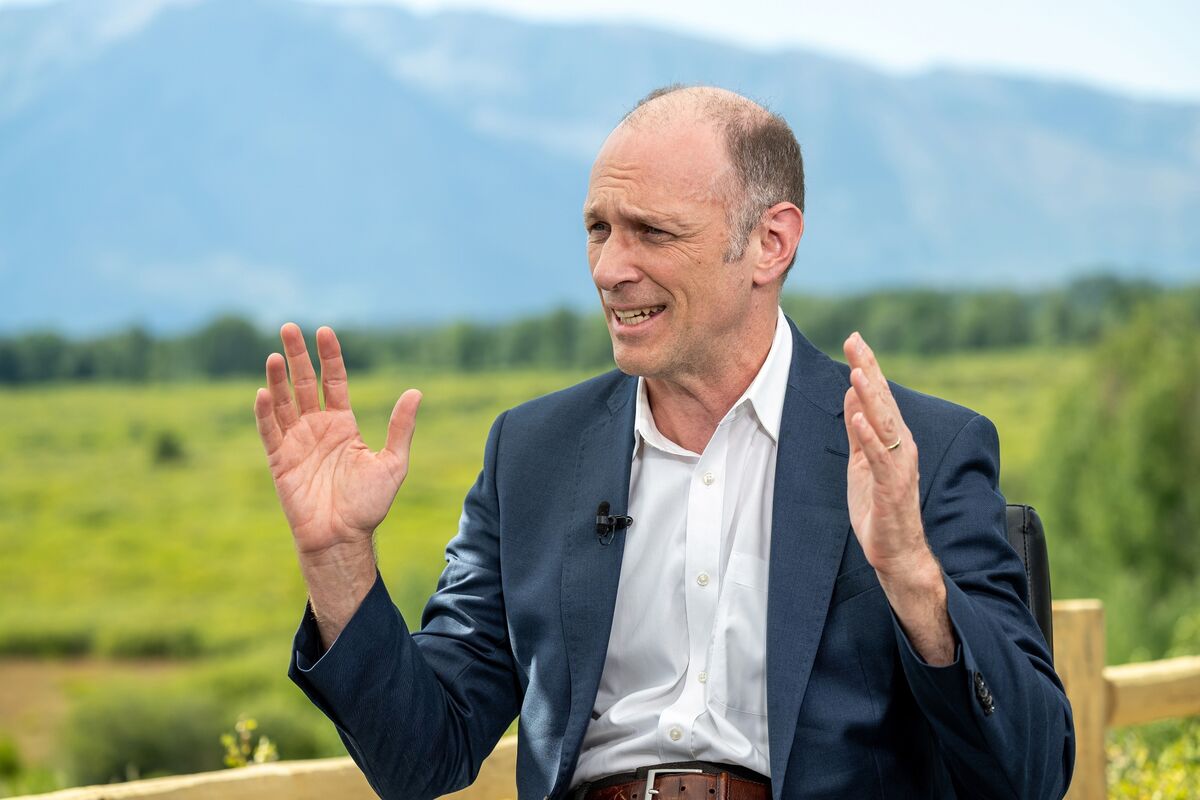
Chicago Fed President Austan Goolsbee remains more concerned about inflation, particularly in the services sector, than the labor market, a view that contrasts with market expectations for imminent rate cuts and Chairman Powell's recent emphasis on employment risks. This stance suggests potential internal Fed resistance to early monetary easing, highlighting ongoing policy divergence within the central bank regarding the dual mandate.
Chicago Fed President Austan Goolsbee's recent comments from Jackson Hole introduce a hawkish counterpoint to the prevailing market narrative. His stated concern that inflation embers, particularly within the services sector, have not been fully extinguished positions him as more worried about the inflation side of the Fed's dual mandate than the employment side. This viewpoint is significant as it directly contrasts with market expectations for imminent rate cuts and diverges from Chairman Jerome Powell's recent emphasis on growing risks to the labor market. Goolsbee's relative confidence in the strength of the labor market suggests a higher tolerance for maintaining restrictive policy, signaling potential internal debate and a lack of consensus within the Federal Open Market Committee regarding the timing of a monetary policy pivot.
AI-powered research, real-time alerts, and portfolio analytics for institutional investors.
Request DemoOverall Sentiment
mildly negative
Sentiment Score
-0.35
Ticker Sentiment
