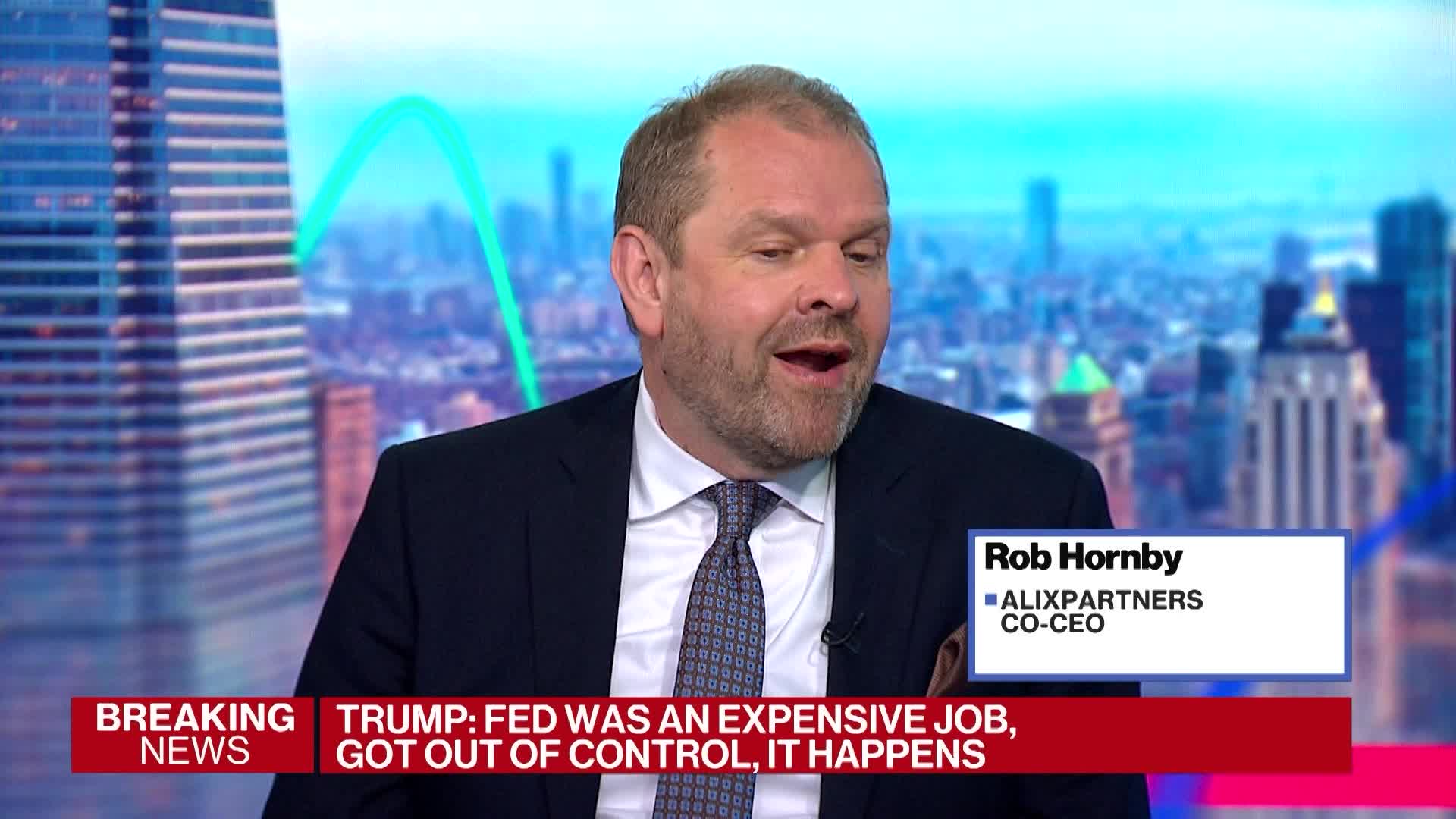
Hornby, as reported by Bloomberg, highlights that corporate leaders are currently navigating a complex web of 'interlocking issues' tied to global trade dynamics and Federal Reserve policy. This intricate economic environment presents significant challenges for CEOs, underscoring the need for investors to monitor how these intertwined factors influence corporate strategy and financial outlook.
The current corporate operating environment is characterized by significant macroeconomic complexity, as highlighted by Hornby's commentary on CEOs navigating 'interlocking issues'. These challenges stem directly from the intersection of global trade policy and Federal Reserve monetary actions. The uncertain tone and mixed sentiment signal that these intertwined factors are creating a difficult and unpredictable landscape for strategic planning and financial forecasting. For corporate leaders, this means that decisions regarding supply chains, capital expenditures, and international operations are fraught with heightened risk. The market impact score of 0.45 suggests this is a notable headwind that can influence broad market performance, not just isolated sectors, by complicating corporate outlooks and potentially dampening investor confidence.
AI-powered research, real-time alerts, and portfolio analytics for institutional investors.
Request DemoOverall Sentiment
Mixed
Sentiment Score
-0.15
