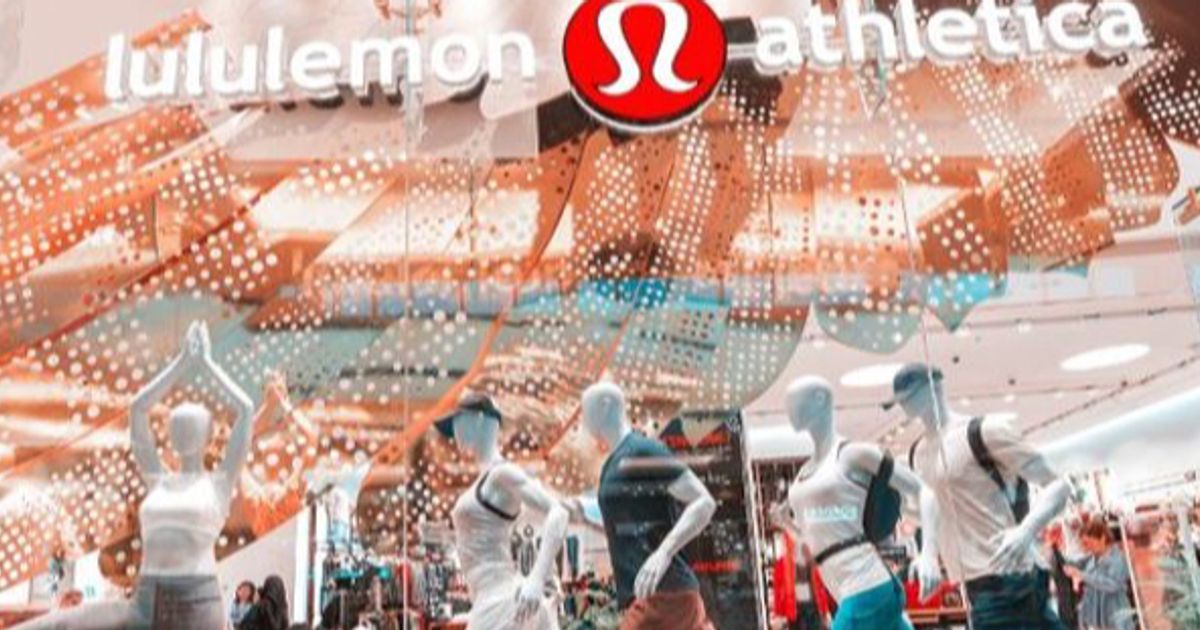
Lululemon has temporarily paused online sales of its new Get Low activewear line after customer complaints—primarily on social media—alleged the fabric was too sheer and that sizing ran large; the collection remains available in North American stores and in certain international markets and the company said it expects to restore e-commerce sales soon. The episode revives prior product-quality episodes (2013 sheer-pants recall, 2024 Breezethrough pull), posing reputational and near-term online-sales risk for the apparel peer; shares briefly pulled back on the news but traded about 0.7% higher at roughly $190, and are down nearly 50% over the past 12 months.
Market structure: LULU is the direct loser — near-term e‑commerce revenue and conversion take a hit while social media complaints amplify returns/markdown risk. Competitors with broader assortments and deeper discount channels (e.g., NKE, UAA) stand to gain incremental share as price-sensitive buyers defect; pricing power at the premium end weakens if quality perception erodes >1–2 quarters. Cross-asset: expect a modest lift in LULU option IV (short-dated puts) and negligible impact on IG bonds or FX; commodity inputs (polyester/cotton) unaffected.
Risk assessment: Tail risks include a large-scale recall/inventory write-down (> $75–150M) or class-action suit that could compress FY margin by 200–400bp and trigger covenant/stress headlines. Immediate (days): sentiment-driven ±5–10% price swings; short-term (weeks–months): sales/return data reveal true demand; long-term (quarters–years): repeated quality misses could shave 100–200bp off top-line growth. Hidden dependencies: single-source knits, QC at third-party factories, and return logistics concentration amplify second-order losses.
Trade implications: Tactical short via options or small outright short equity (1–2% portfolio) looks attractive into the next 2–8 weeks while headlines dominate; favor put spreads to cap risk (3‑month tenor). Relative-value: long NKE (or larger diversified apparel ETFs) vs short LULU for 3–6 months to capture share rotation. Rotate portfolio modestly away from premium athleisure into durable footwear/apparel names and expect to trim positions when LULU restores online sales and sentiment improves for two consecutive weeks.
Contrarian angles: Consensus underweights that stores and international channels continue to sell Get Low — the online pause is partly product education, not a full pull; investors may be overpricing permanent brand damage given LULU is ~50% off YTD. If LULU falls below $150 without a material recall/inventory charge, this likely represents an asymmetric buying opportunity for a 6–12 month mean‑reversion trade. Unintended consequence: an over‑aggressive short could be squeezed if the company re‑launches with corrective sizing and strong sell-through data.
AI-powered research, real-time alerts, and portfolio analytics for institutional investors.
Request DemoOverall Sentiment
moderately negative
Sentiment Score
-0.35
Ticker Sentiment
