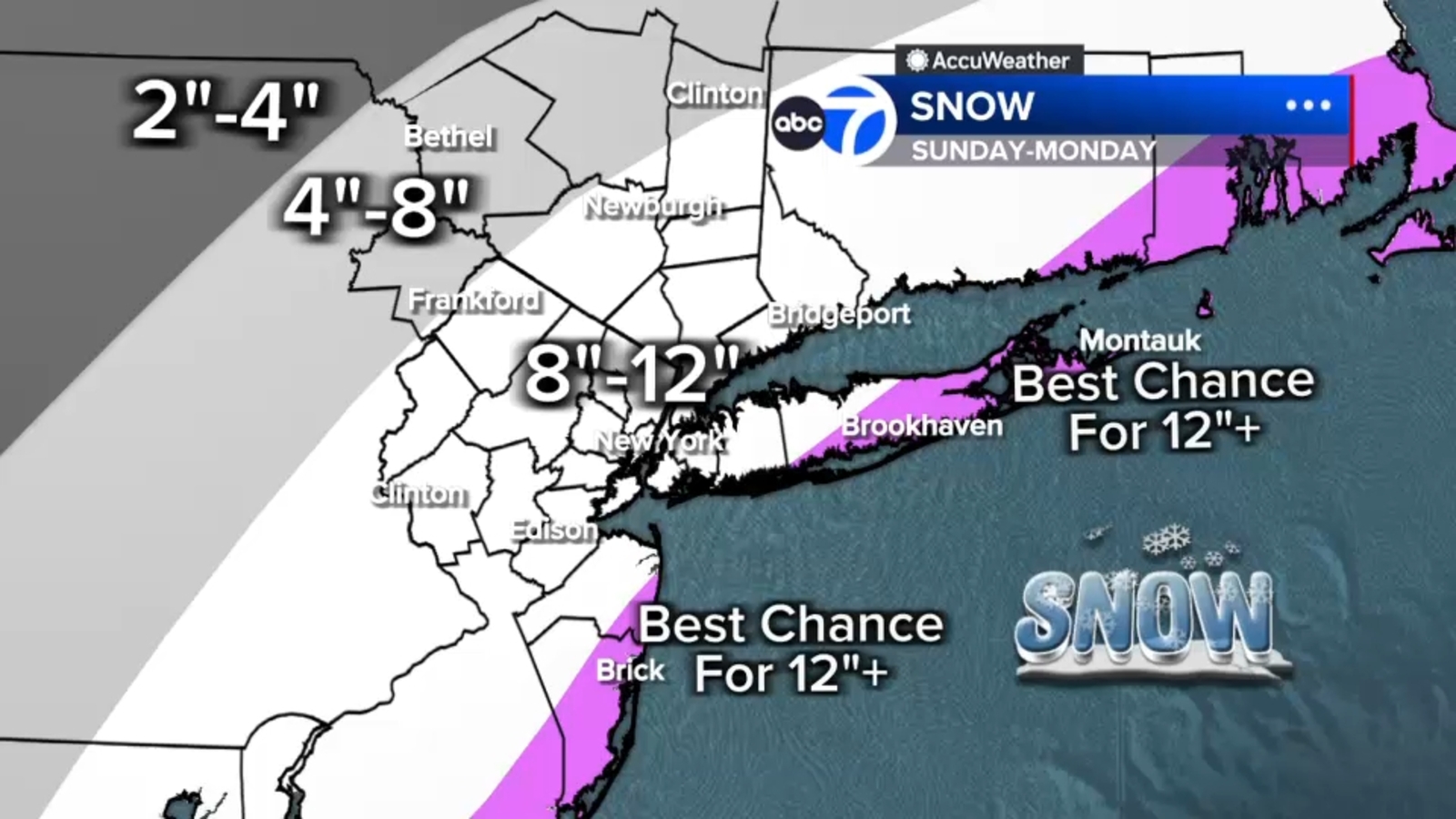
A powerful coastal winter storm is forecast to produce blizzard conditions across the New York Tri-State area from Sunday afternoon through Monday morning, with 8–12 inches of snow expected across most areas and locally higher totals over a foot on the East End and Jersey Shore. Forecasters warn of 50+ mph gusts, whiteout conditions, Blizzard and Winter Storm Warnings, potential power outages from downed trees/lines, and coastal flooding up to 2.5–3 feet during high tides, creating high disruption risk to travel, utilities, and local commerce. Hedge funds with short-term regional exposure to transportation, utilities, insurance, retail, or port operations should monitor operational disruptions and potential outage-related revenue interruptions or claims activity over the next several days.
Market structure: The 8–12" coastal snow + 50+ mph gusts and 2.5–3' tidal surge will concentrate impacts on NYC/Long Island/NJ ports, commuter airlines, transit, utilities and local retail (generators, hardware). Short-term winners: regional natural gas and power forwards (higher heating load), generator/portable-power vendors (Generac GNRC), storm-repair contractors (Quanta PWR); losers: airlines (AAL/UAL), local transit operators, and P&C insurers with coastal/wind exposures. Pricing power shifts short-term to fuel suppliers and generator OEMs; longer-term capex winners include grid-hardening contractors.
Risk assessment: Tail risks include multi-day widespread outages (3+ days) that produce >$1–3bn in insured losses and supply-chain shortages for transformers/parts that extend repairs into months. Immediate horizon (0–7 days): travel cancellations, NG/power spikes; short-term (2–8 weeks): elevated demand for replacement equipment and contractor backlog; long-term (quarters): regulatory scrutiny on utilities and possible rate-case impacts. Hidden dependencies: diesel fuel logistics, crew availability, reinsurance retro pricing; catalysts include weather model revisions, significant coastal flooding, or concentrated power-plant outages.
Trade implications: Trade the weather-driven volatility: tactically long front-month natural gas (NG) or 2–4 week NG call spreads sized 2–4% portfolio to capture a likely 5–20% regional spot move; buy 4–6 week GNRC call spreads (1–2%) and add PWR (1–2%) for storm-repair exposure over 1–3 months. Use short-dated puts (1–2% positions) on AAL/UAL expiring 7–14 days to capture cancellations; avoid naked delta risk—prefer defined‑risk spreads. Rotate cash out of local transit/airport-exposed names and into short-duration, weather-sensitive plays.
Contrarian angles: Consensus fear of utility regulatory damage may be overdone — if ED or PSEG drop >5% on outage headlines, small long positions (0.5–1%) are defensible given predictable rate bases and eventual cost recovery. Insurer knee-jerk selling could overshoot until aggregate loss estimates arrive; consider opportunistic long of TRV/ALL on >4% pullbacks while monitoring reinsurance headlines. Key mispricing signals: NG spot up >10% or airline IV >60% — these trigger layered entries and option strutted trades rather than naked exposure.
AI-powered research, real-time alerts, and portfolio analytics for institutional investors.
Request DemoOverall Sentiment
mildly negative
Sentiment Score
-0.25
